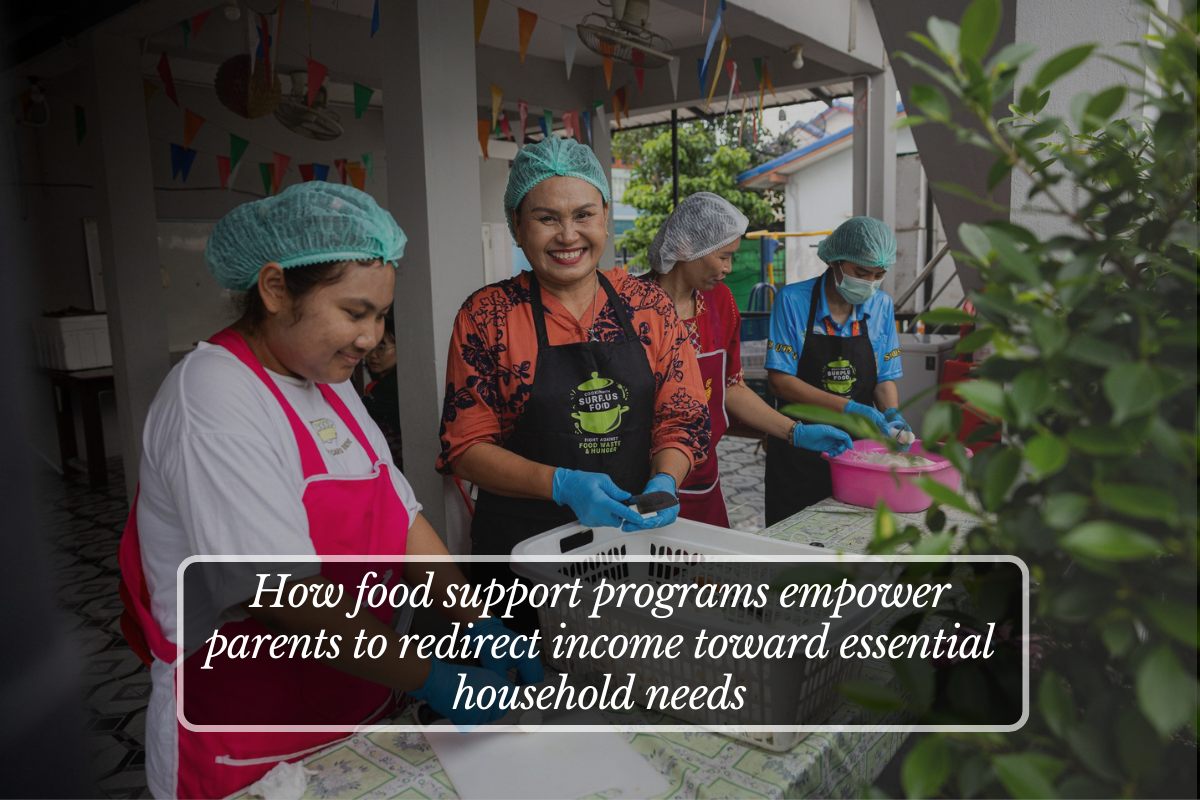
Community food pantries in the USA serve over 40 million people annually, blunting food insecurity crises by providing immediate relief and freeing household budgets ...
Food insecurity quietly reshapes the lives of working families by forcing constant trade-offs between groceries, rent, transport, and childcare, even when adults are employed ...
Food security—consistent access to nutritious food—affects 13.5% of U.S. households (47.4 million people, including 7.2 million children) in 2023, undermining health, learning, and prosperity ...
Local families enduring daily hunger wish others understood the relentless psychological toll—beyond empty stomachs—where children worry about parents’ well-being, feel shame at school, and ...
Consistent nutrition during childhood profoundly shapes physical growth, cognitive function, and emotional well-being, with deficiencies linked to stunted development and lifelong health risks. Children ...
Monthly grocery support programs like SNAP serve 42 million Americans, slashing psychological distress by 28-38% and stabilizing households by freeing budgets for rent, utilities, ...
Community donations form the backbone of the USA’s charitable food system, powering 200+ Feeding America food banks to deliver 6 billion meals annually to ...
Food insecurity affects 47 million Americans in 2023, up 6% from prior years, as inflation on groceries (29% higher pre-pandemic) and housing squeezes budgets. ...
Reliable food access through U.S. programs like SNAP and WIC breaks poverty cycles for 44 million participants, stabilizing families amid 13.5% household insecurity rates ...