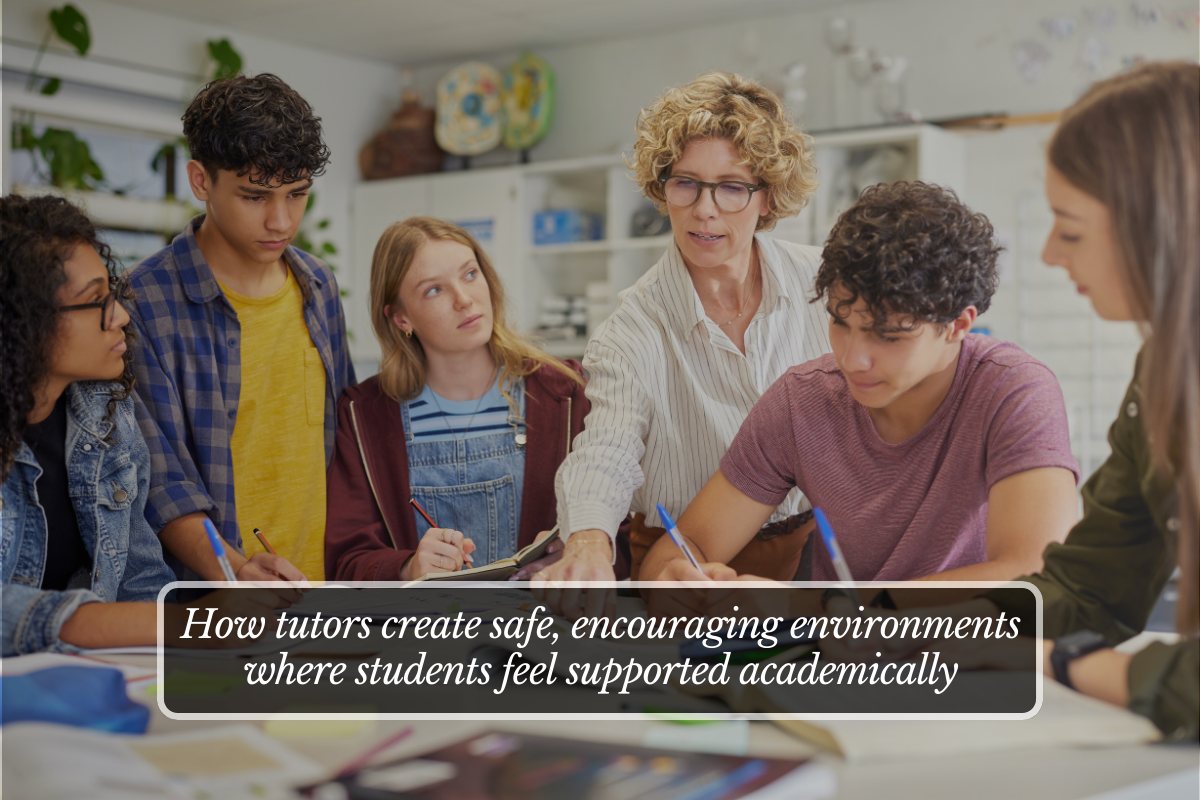
Tutors foster safe, encouraging environments by prioritizing psychological safety, building trust through active listening, and using positive reinforcement, enabling students to take academic risks ...
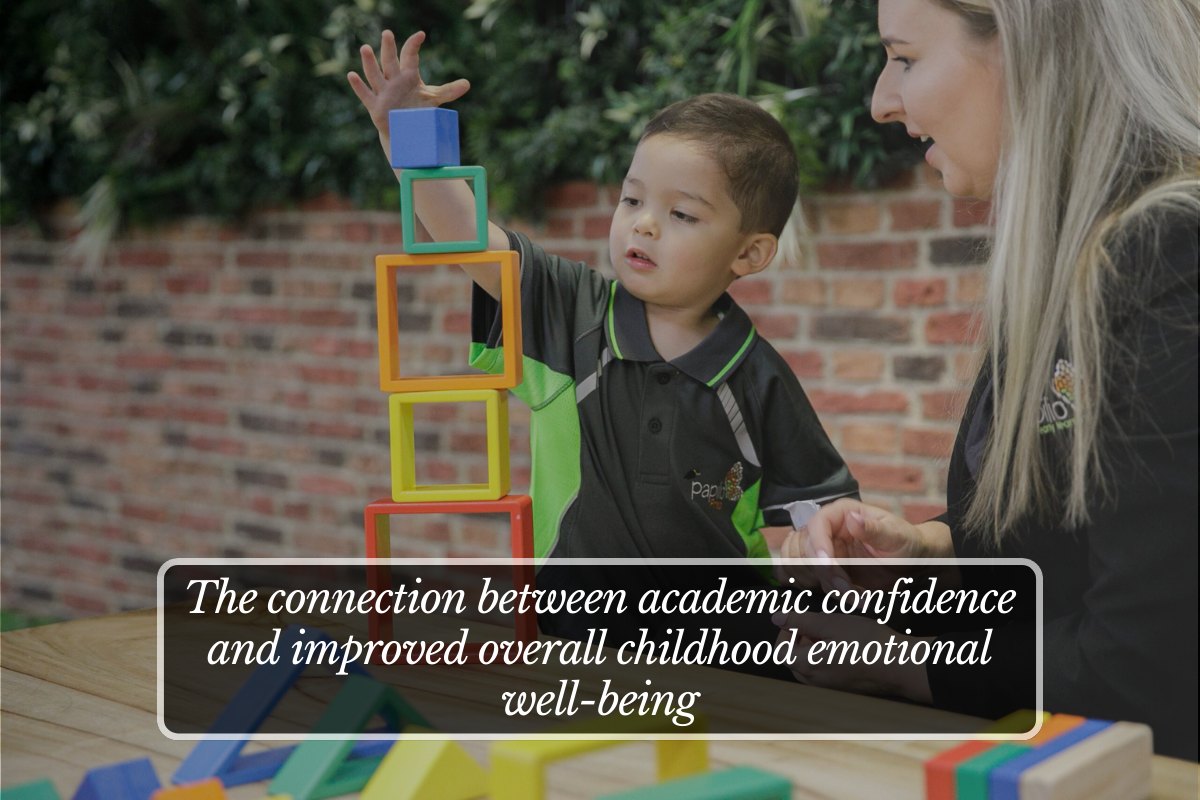
Academic confidence—children’s belief in their school abilities—strongly predicts emotional well-being by fostering resilience, self-esteem, and positive peer relations, with studies showing bidirectional links where ...
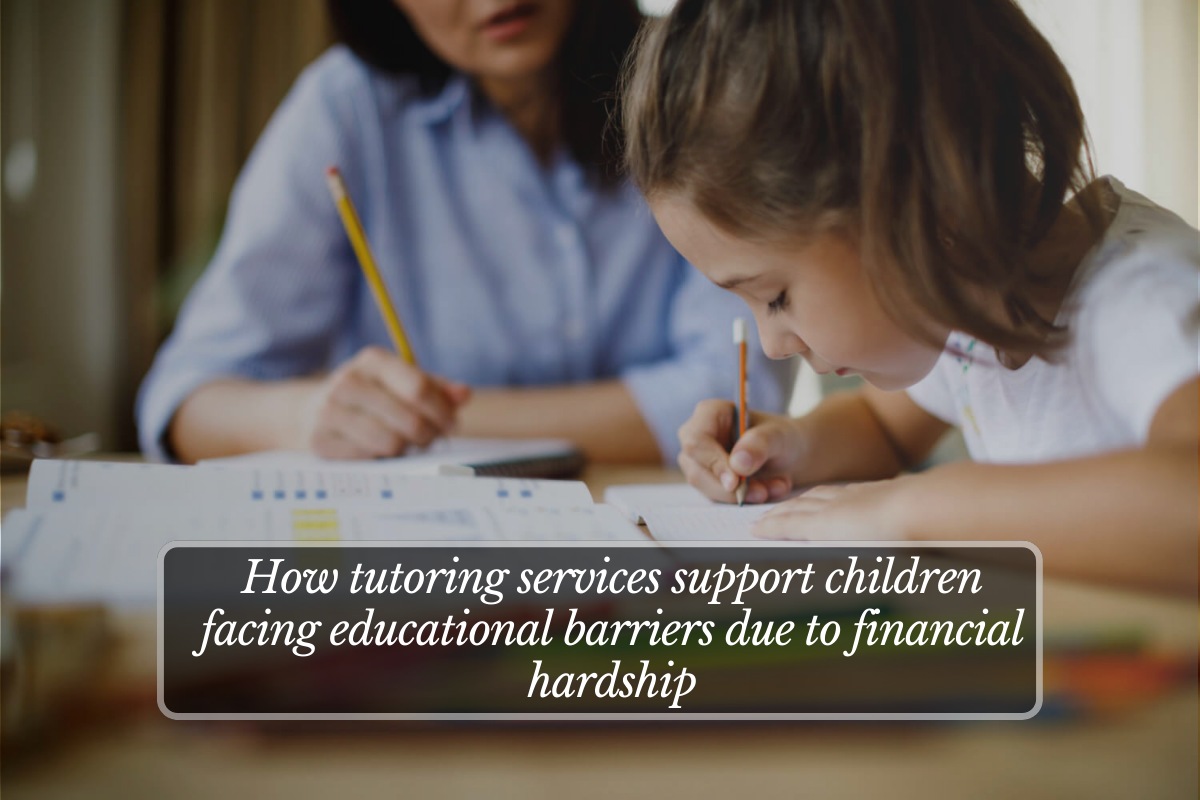
Tutoring services empower children from low-income families to overcome educational barriers like resource scarcity, overcrowded classrooms, and food insecurity, delivering personalized support that boosts ...
Tutoring in the USA builds foundational skills in literacy and math through personalized, high-dosage interventions, yielding 0.37 standard deviation gains—equivalent to advancing from 50th ...
Housing stability—secure, affordable homes without eviction threats—affects 37 million U.S. households facing unaffordability, enabling job retention, better health, and child thriving per HUD and ...
Individualized instruction tailors teaching to students’ unique needs, paces, and styles, boosting comprehension and engagement in US classrooms where one-size-fits-all models leave 30% behind. ...
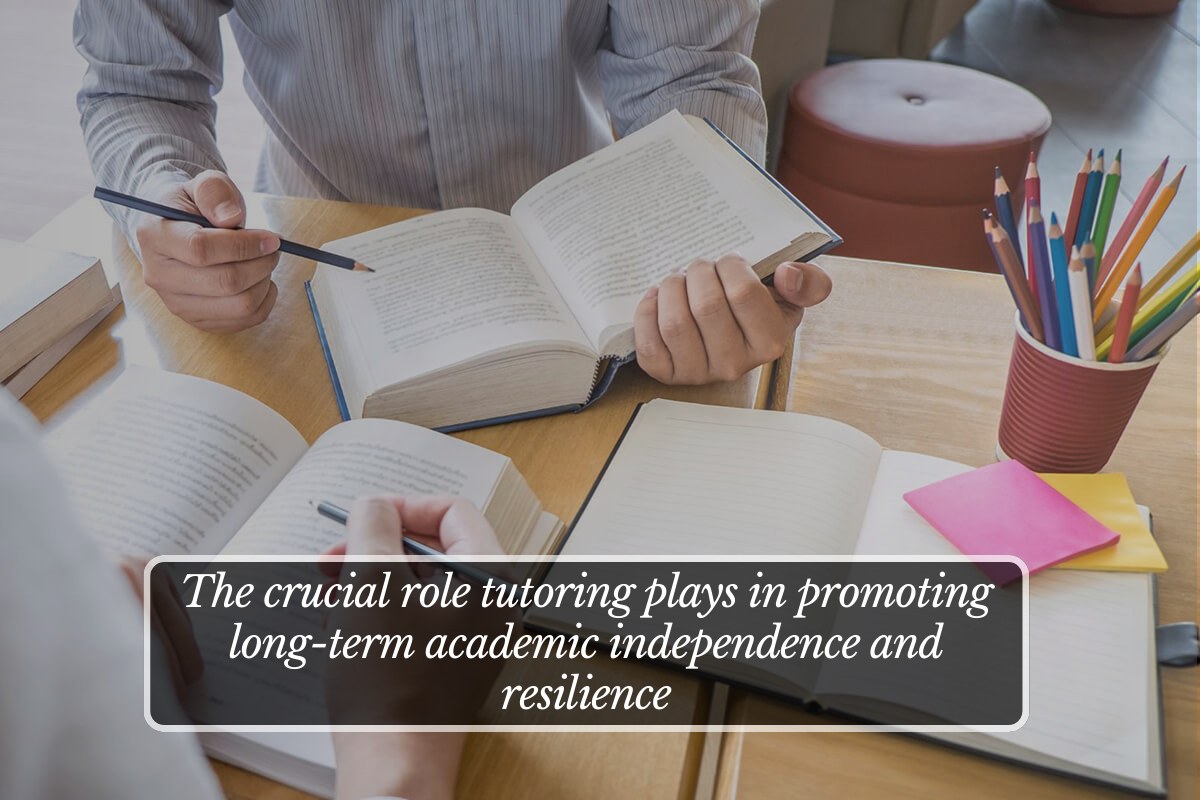
Tutoring serves as a cornerstone in U.S. education, bridging gaps for millions of students through personalized support that fosters self-reliance and grit. Programs like ...
High‑quality tutoring programs are one of the most effective tools schools in the United States have to close learning gaps for struggling elementary students, ...
Volunteer-driven, individualized academic tutoring empowers young learners in the USA, closing achievement gaps for underserved K-12 students through personalized 1:1 support in reading, math, ...
In the United States, poverty traps 37 million people, with children in low-income households facing 4x higher risks of lifelong economic struggle. Education serves ...