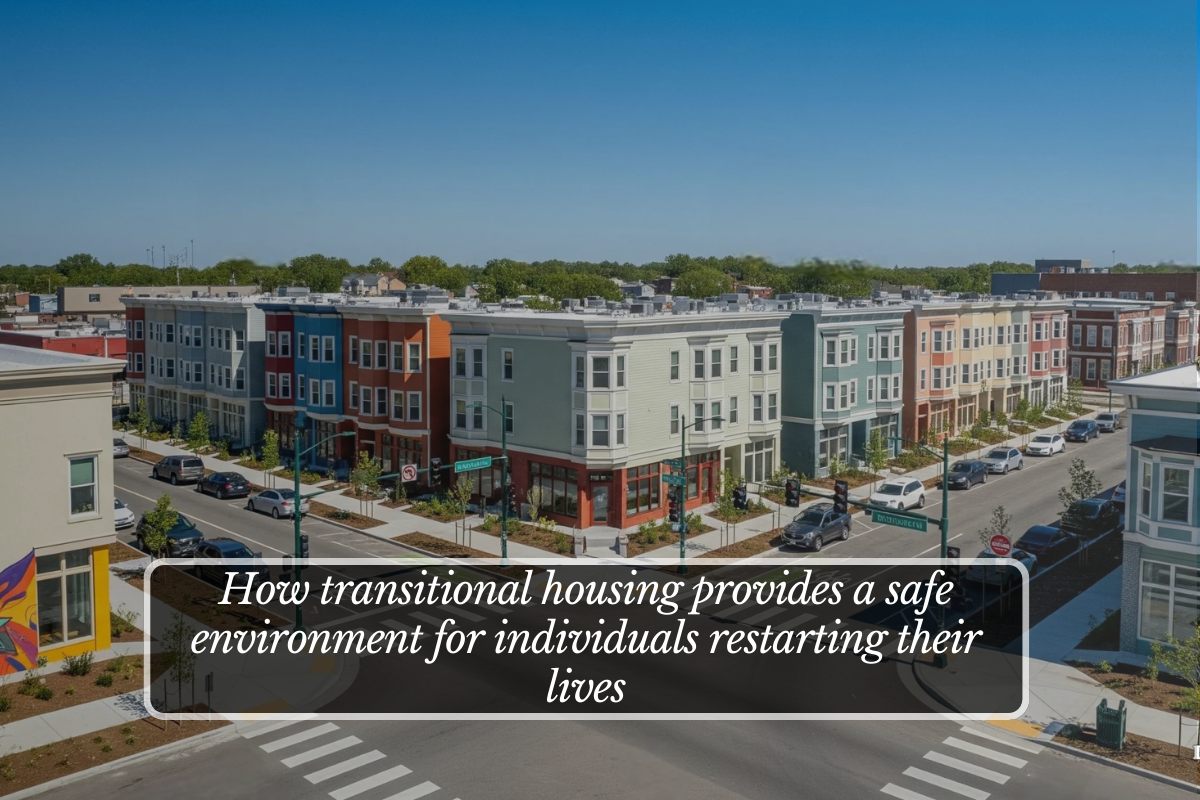
Housing programs like HUD’s Section 8 vouchers and Permanent Supportive Housing (PSH) provide stable shelter that unlocks opportunities for low-income families, reducing mobility disruptions and enabling focus on education, employment, and self-improvement.
Research shows children in stable affordable housing experience fewer school changes, boosting math/reading scores and graduation rates by 10-20%; adults gain workforce entry, with voucher holders 64% more likely employed post-program. These interventions break poverty cycles, yielding $10K+ public savings per participant via lower homelessness and incarceration costs.
Stabilizing Education Through Reduced Mobility
Frequent moves from housing instability cause school changes that drop achievement 20-30%, but vouchers cut hyper-mobility by 1+ moves over 4-5 years, stabilizing attendance. Studies in Montgomery County show children in inclusionary housing at low-poverty schools score higher in reading/math versus moderate-poverty peers.
Habitat programs build confidence for college funding—two-thirds of homeowners feel better equipped—while LIHTC proximity to high-performing schools aids low-income kids. Avoiding homelessness preserves cognitive development, critical for toddlers where early episodes impair long-term skills.
Boosting Employment and Economic Mobility
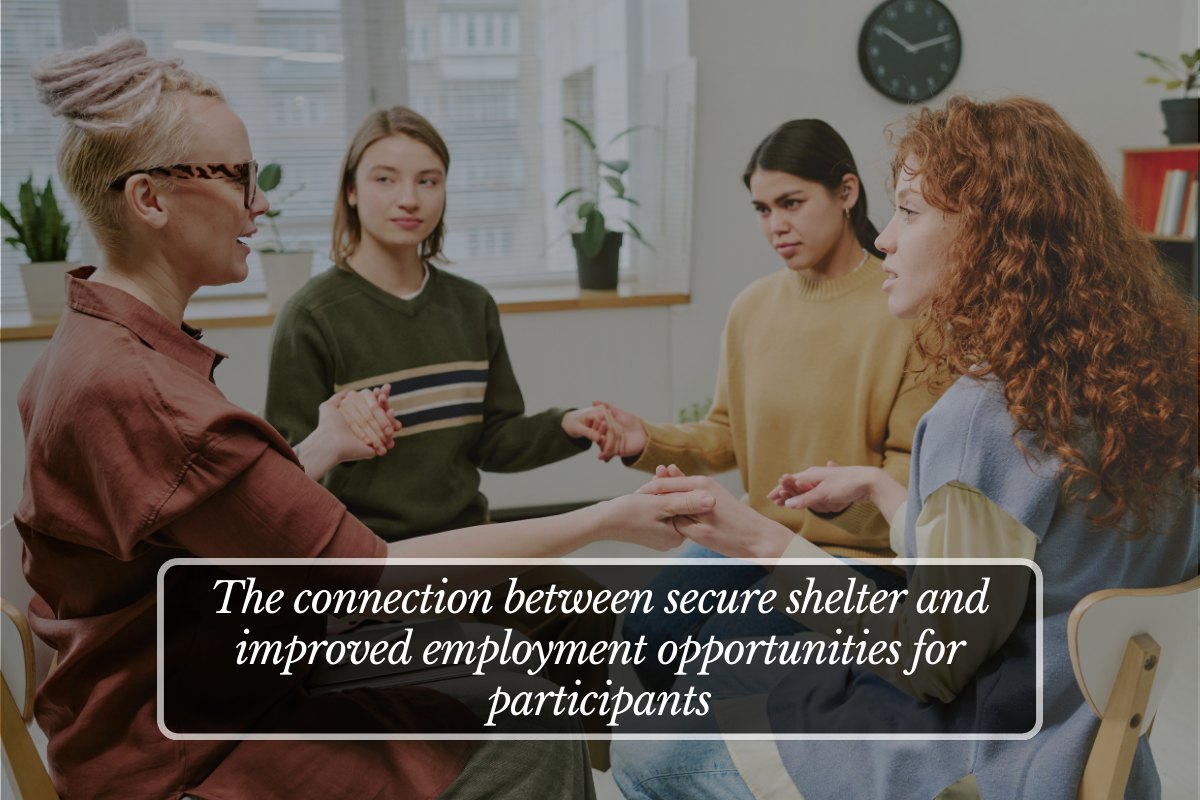
Housing vouchers reduce instability, raising employment 24pp and earnings; Ready to Work graduates hit 64% employed from 5% intake. Stability frees mental bandwidth for job searches, skill-building, and interviews, with PSH participants showing 71% placement.
Social networks in stable housing share job leads, cutting spatial mismatch; German studies link affordable units to better occupations via centrality. FSS programs escrow rent savings ($10K average), funding training for self-sufficiency.
Fostering Personal Growth and Health
Secure homes lower stress, improving self-esteem and optimism for goal pursuit; PSH cuts ER visits 50%, enabling therapy and growth. Voucher families report 3x better health, fewer depressions, supporting resilience.
Trauma-informed designs aid healing per user interests; two-gen programs lift parents’ education while kids thrive academically. Overcrowding drops 50% with vouchers, enhancing study space and parental responsiveness.
Real-World Success Stories
East Lake Meadows revitalization paired mixed-income housing with charter schools, outperforming state averages. MTO vouchers improved neighborhoods 5pp poverty drop, aiding long-term opportunity. Wilder Foundation: Habitat families invest more in kids’ futures.
Policy and Scalability
HUD’s HCV (2.3M households) and Choice Neighborhoods integrate schools/housing; Medicaid HCBS links health. Challenges: waitlists, but expansions via HSPA yield ROI.
FAQs
Q. How do housing programs reduce school disruptions?
Vouchers cut moves 1+ over years, stabilizing attendance; kids avoid proficiency drops from frequent changes.
Q. What employment gains from stable housing?
64% employed post-program vs. 5%; networks/skills access boost 24pp probability.
Q. Why health key to personal growth?
Cuts ER 50%, depression; frees focus for education/self-improvement in secure homes.
Q. Do programs aid families specifically?
Yes, two-gen models lift parents’ jobs/kids’ academics, breaking cycles via stability.
Q. What’s ROI for governments?
$10K/participant savings on homelessness/incarceration; higher taxes from employed grads.