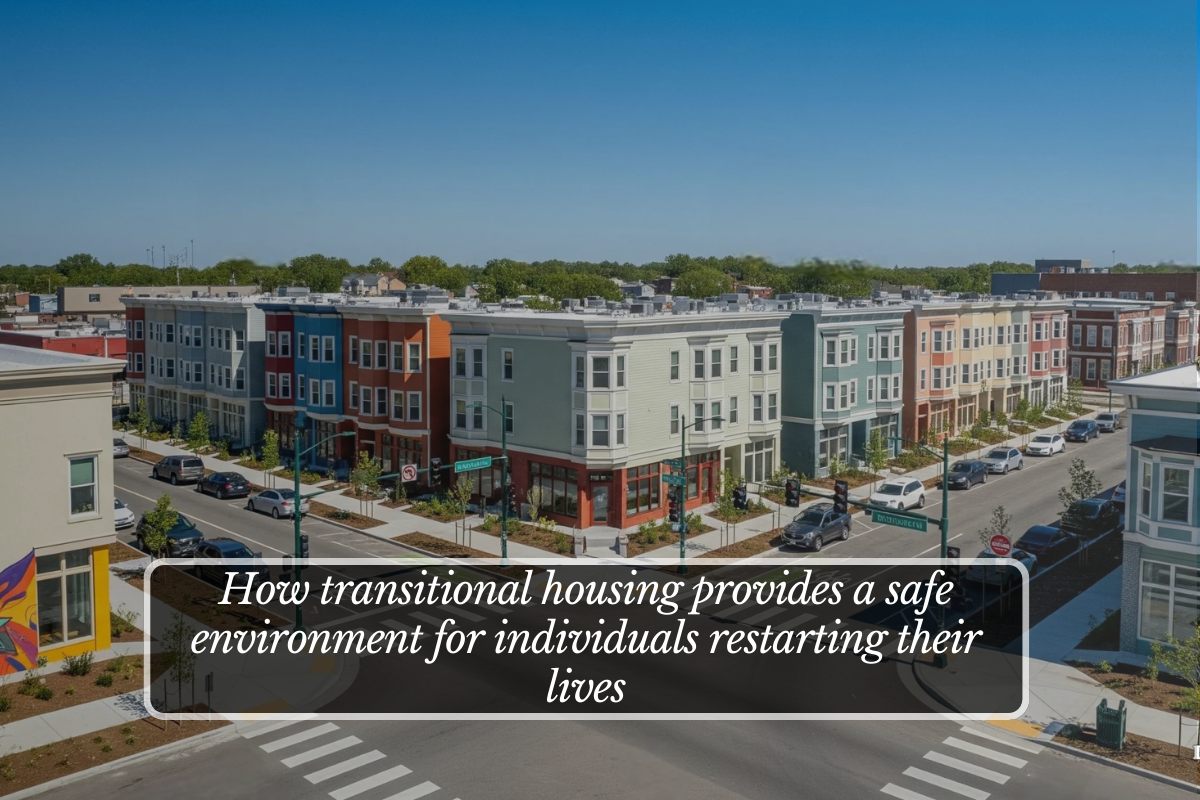
Transitional housing offers a secure, temporary bridge for individuals emerging from homelessness, addiction, domestic violence, or incarceration, providing structured stability to rebuild lives amid crises. Unlike emergency shelters, these programs—typically 6-24 months—combine private or semi-private rooms with on-site supervision, case management, and life skills training, achieving 73% stable housing outcomes for youth and 62% employment gains for families. By addressing trauma in a substance-free environment, transitional housing cuts recidivism and fosters self-sufficiency.
Core Features of Safe Environments
Programs enforce clear rules—curfews, sobriety, chores—under 24/7 staff oversight, ensuring physical safety via locks, cameras, and conflict mediation. Residents access communal kitchens, laundry, and quiet spaces, reducing street risks like violence or exposure; youth programs like NuHouse prioritize trauma-informed designs with counseling suites.
Support services include job training, financial literacy, and healthcare referrals, stabilizing routines while building “recovery capital” through peer accountability. HUD-funded models serve diverse groups—veterans, foster youth, abuse survivors—tailoring security to needs like gender-segregated units.
Psychological Safety and Trauma Recovery
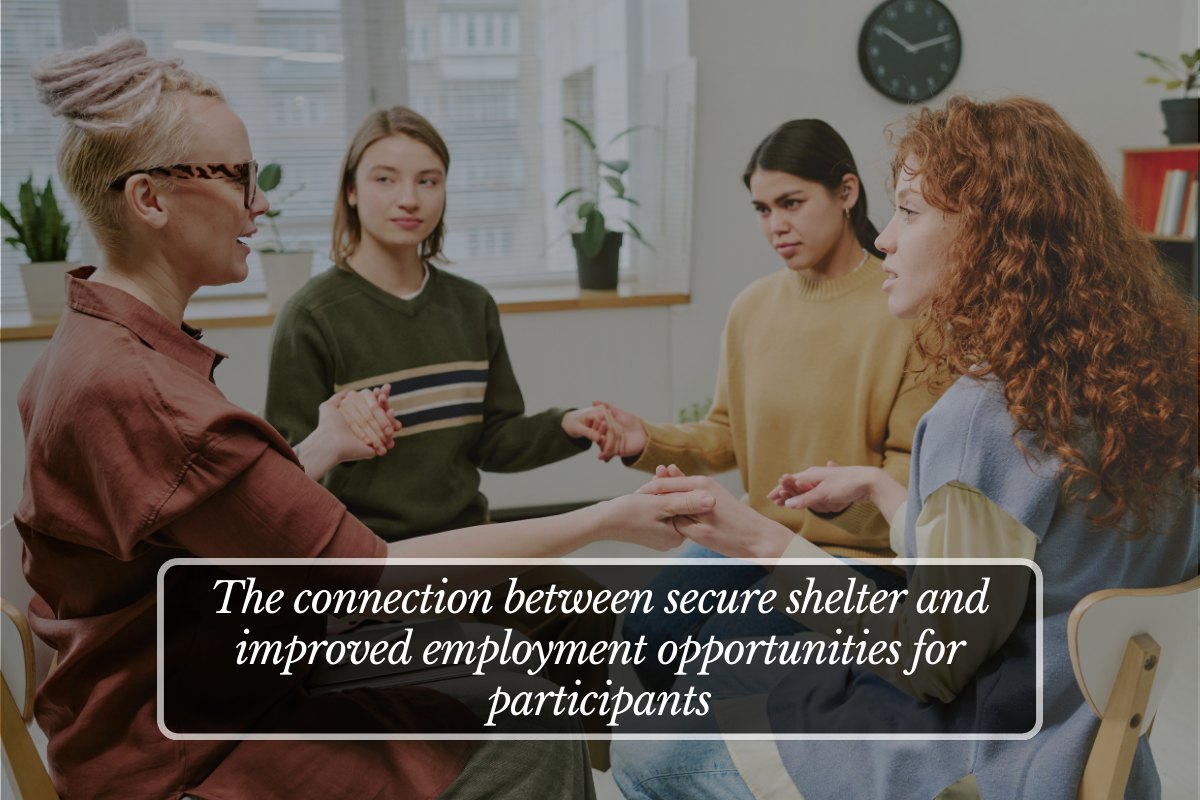
Safe spaces allow processing past harms without fear, with counseling addressing PTSD common in 70% of homeless entrants. Structured schedules—group meals, skill workshops—combat isolation, boosting emotional regulation; studies show 40-60% relapse reduction via peer support.
Case managers create personalized plans, tracking progress to permanent housing; sobriety monitoring prevents triggers, enabling focus on goals like GEDs or sobriety milestones.
Skill-Building for Independence
Life skills classes teach budgeting, resume writing, and conflict resolution, with 62% maternal employment post-program per HUD data. Supervised chores instill responsibility; vocational partnerships yield jobs, breaking poverty cycles.
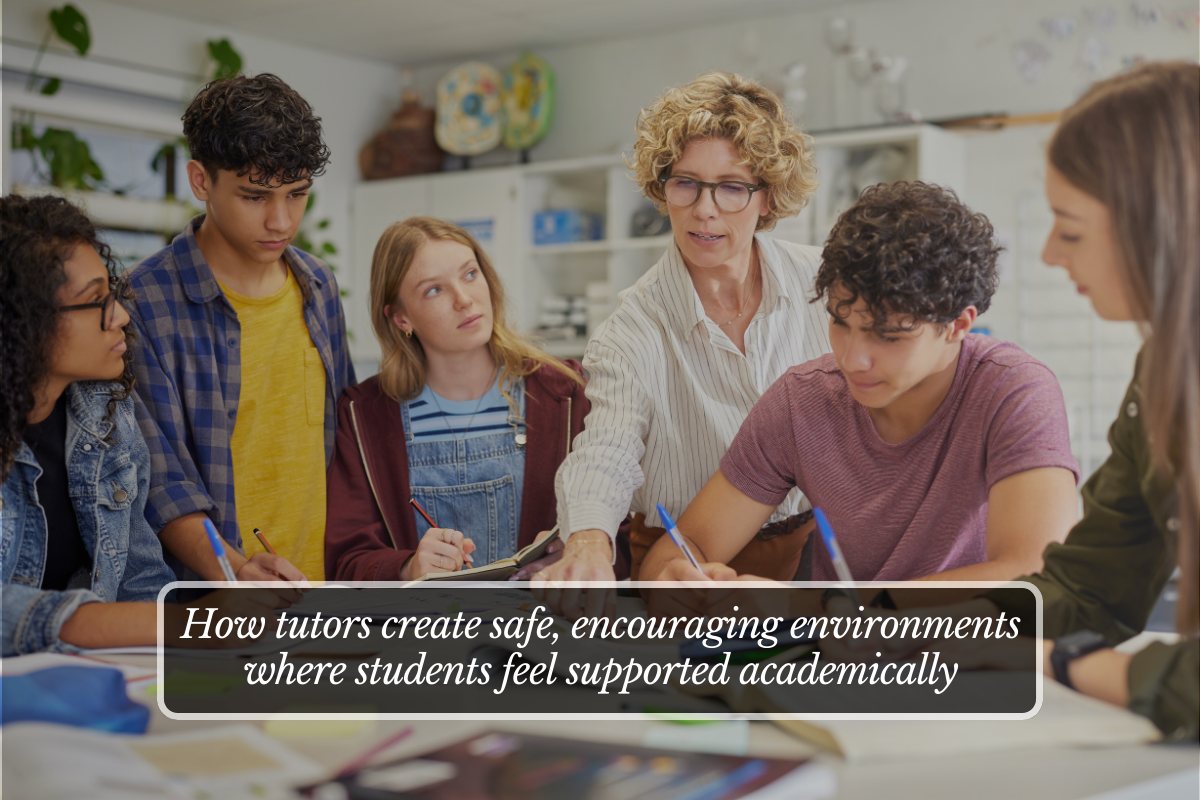
For youth aging out of foster care, programs offer education support, halving homelessness risks through stable foundations. Graduates report higher confidence, with structured exits to subsidized housing.
Bridge to Permanent Stability
Transitional housing prevents chronic homelessness by sequencing emergency shelter to supportive permanency, with PSH follow-ups retaining 80-90% stability. ROI includes lower ER visits, arrests; veterans’ reentry programs cut recidivism via tailored security.
Challenges like waitlists prompt innovations—tiny homes, rapid rehousing—scaling access nationwide.
Policy and Community Role
HUD Continuum of Care funds 83% of programs; states integrate with Medicaid for services. Communities amplify via volunteers, reducing barriers for restarting lives.
FAQ
1. What distinguishes transitional housing from shelters?
Temporary (6-24 months) with private spaces, services like job training; supervised for safety vs. emergency congregate shelter.
2. How does it ensure physical safety?
24/7 staff, rules, locks/cameras; gender-segregated units for vulnerable groups like abuse survivors.
3. What outcomes prove effectiveness?
73% youth housing stability, 62% family employment; 40-60% relapse drop via structure.
4. Who qualifies for these programs?
Homeless, addicts, DV survivors, foster youth; low-income via referrals, engaging services.
5. How does it lead to permanent housing?
Case plans build skills, connect to PSH/vouchers; HUD sequences prevent chronic homelessness.