Case management services in the USA empower residents in supportive housing, transitional programs, and HUD initiatives to achieve self-sufficiency by coordinating resources and personalized plans.
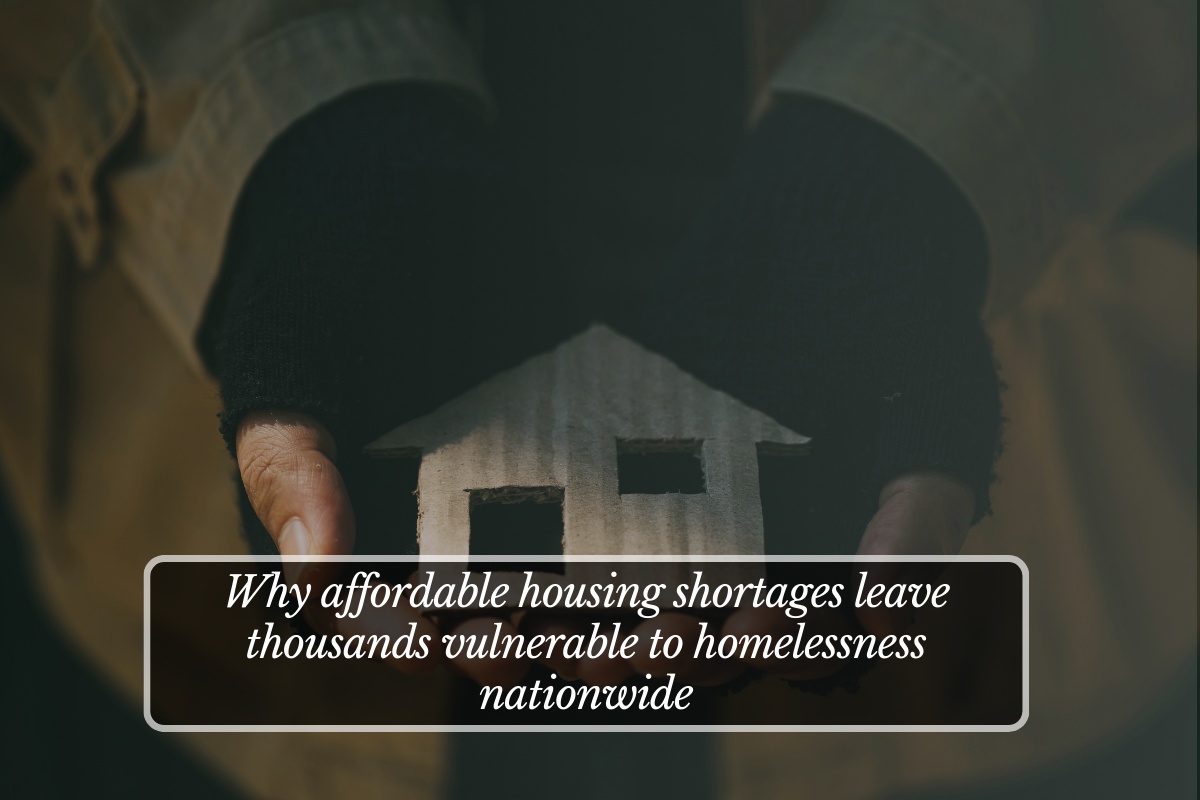
These services, integral to Housing First models, reduce homelessness days and recidivism by 60% for vulnerable groups like those with mental health needs or parolees. By addressing barriers holistically, case managers guide individuals from crisis to independence amid rising housing costs.
Core Components of Case Management
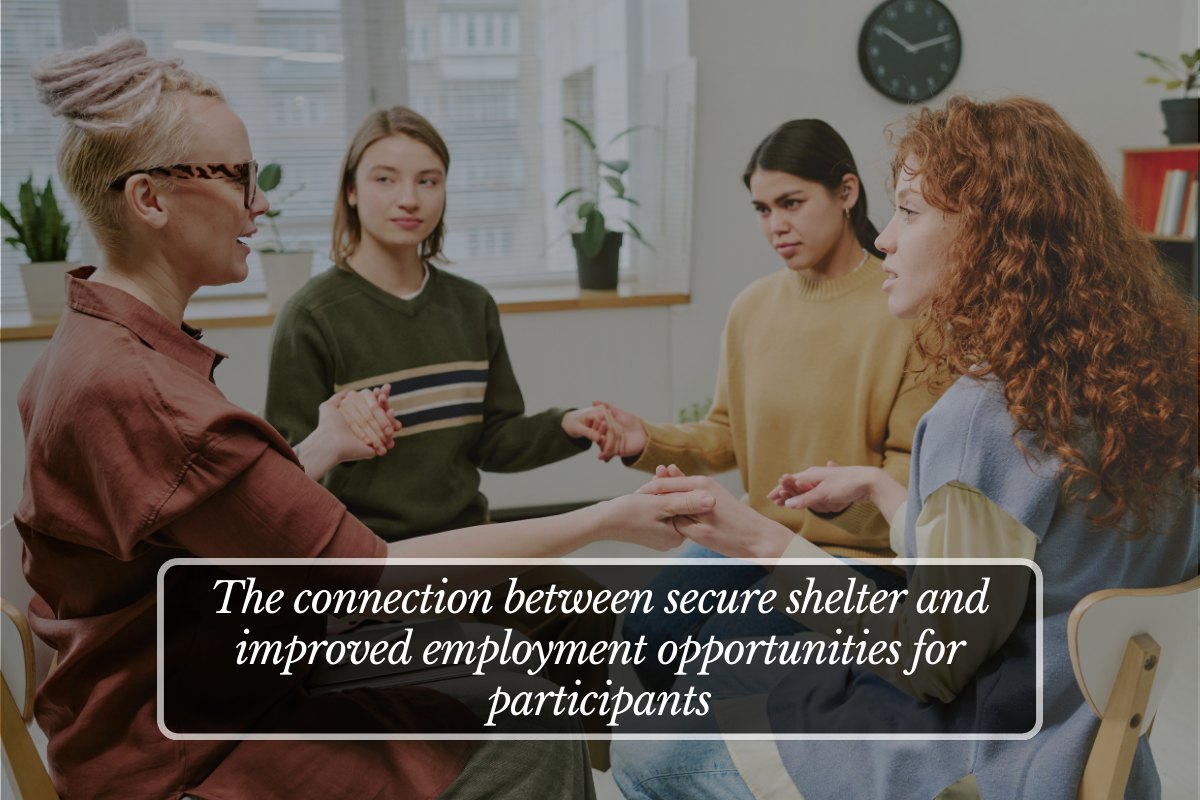
Case managers conduct needs assessments, craft individualized action plans, and connect residents to housing, healthcare, employment, and benefits like SNAP or vouchers. In HUD-VASH for veterans, they provide Housing First case management with screenings, referrals, and ongoing support without preconditions. Vocational services assess skills, secure jobs, and build life skills for financial stability.
Regular reviews adjust plans, ensuring progress toward goals like permanent housing.
Personalized Goal Setting and Planning
Managers collaborate on blueprints: Brainstorm housing targets, outline steps (e.g., credit repair, applications), link to services, and monitor milestones. For homeless individuals, intensive case management cuts unhoused days substantially via tailored rehab before crises. Vegas Stronger exemplifies by integrating addiction treatment with employment aid for recovery.
This client-driven approach boosts retention, as in Santa Clara’s Project Welcome Home where 86% stayed housed.
Overcoming Common Barriers to Independence
Legal, financial, and health obstacles like poor credit or mental health issues are navigated through advocacy, paperwork assistance, and crisis intervention. For seniors/disabled, ADRC case management qualifies for home-based care, averting institutionalization. Trauma-informed care and motivational interviewing foster change in programs like First Step House.
Field visits and HMIS tracking maintain accountability in community settings.
Role in Supportive Housing Models
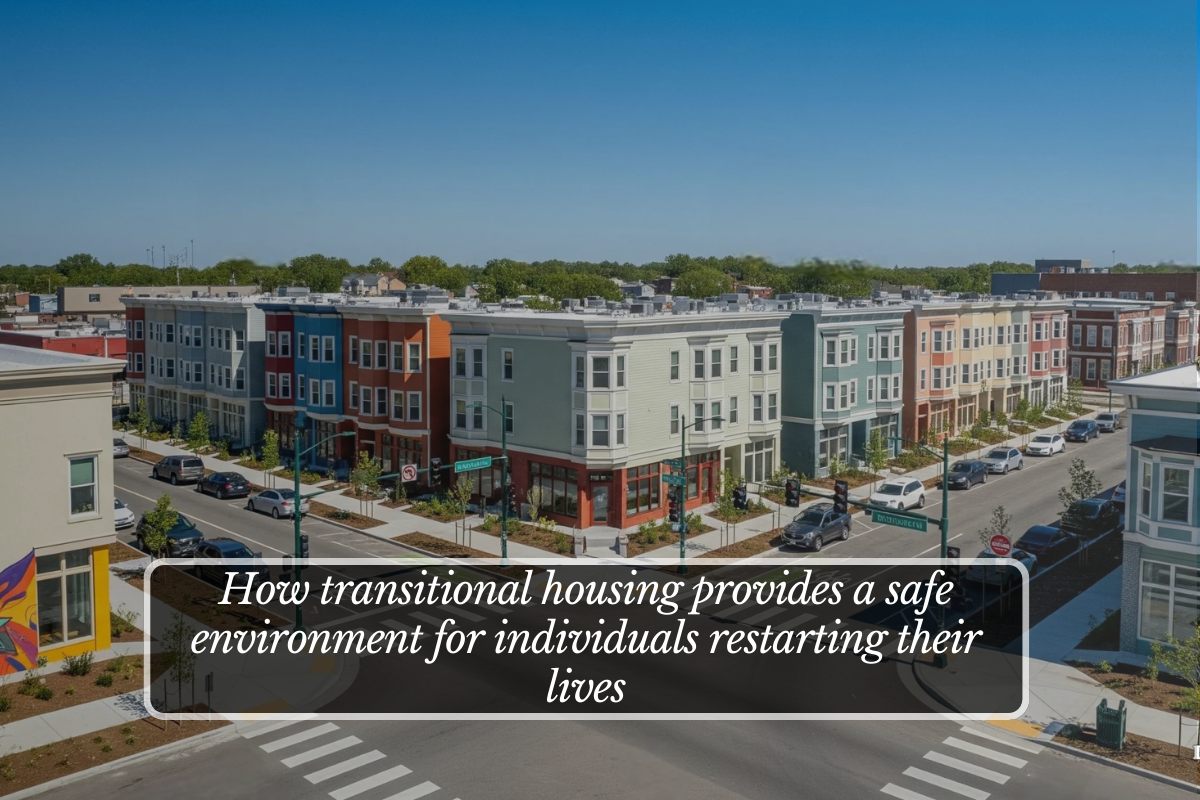
Permanent supportive housing pairs low-barrier units with voluntary services, yielding $31,542 savings in emergency costs over two years. NAMI highlights options from independent living to 24/7 care with employment assistance. Coordinated systems prioritize high-need cases via vulnerability indices.
Outcomes include 60% lower recidivism and better health coordination for women.
Long-Term Impact and Success Metrics
Residents gain employment, community ties, and sustained housing; case software streamlines tracking for scalability. Metrics like reduced ER use and progress dashboards demonstrate ROI, qualifying for HUD funding. Future expansions via CoCs enhance access nationwide.
FAQs
What initial steps do U.S. case managers take for independent living goals?
Conduct needs assessments, develop personalized action plans with housing/employment steps, and connect to resources like vouchers via Housing First principles.
How does case management address mental health in supportive housing?
Provides rehab planning, advocacy for services, and monitoring to prevent crises, reducing ER costs and enabling community re-engagement effectively.
What employment support do case managers offer residents?
Skill assessments, job matching, training coordination, and retention aid, fostering financial stability for permanent housing transitions nationwide.
Why is regular plan review essential in U.S. case management?
Allows adjustments to evolving needs, tracks milestones like credit repair, and ensures sustained progress toward self-sufficiency goals.
How do HUD programs integrate case management for stability?
Via HUD-VASH, combining vouchers with screenings, referrals, and Housing First support to end veteran homelessness permanently.