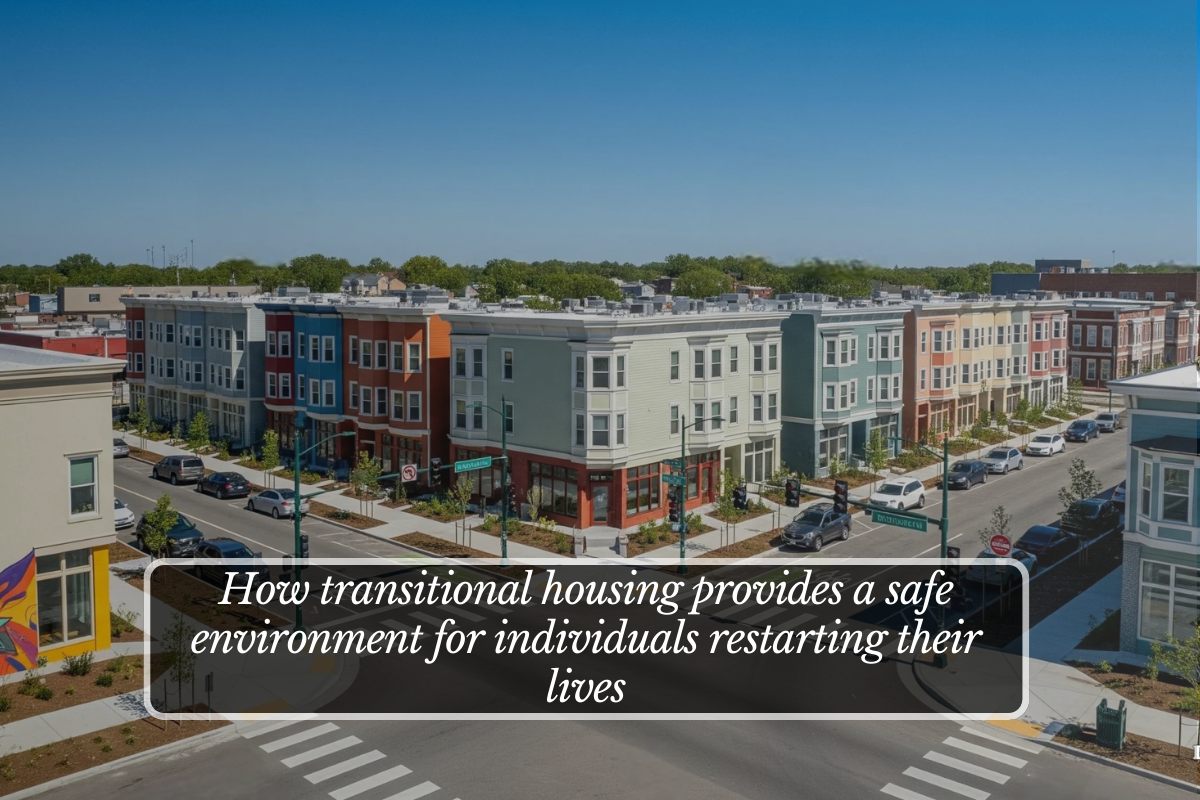
Supportive housing in the United States blends affordable, permanent housing with on‑site or closely linked services, and it has emerged as one of the most effective tools for building healthier, more resilient communities. By stabilizing people who have experienced homelessness, serious mental illness, or chronic health conditions, supportive housing improves individual lives, reduces pressure on public systems, and strengthens neighborhoods socially and economically.
What Supportive Housing Is and Who It Serves
Supportive housing typically combines long‑term rental assistance (or deeply affordable units) with “wraparound” services such as case management, behavioral health care, substance use treatment, employment support, and connection to benefits.
It is targeted to people who face the most significant barriers to housing stability—those with chronic homelessness, disabilities, serious mental illness, or frequent use of emergency and justice systems. Housing First–oriented models remove preconditions like sobriety, focusing instead on rapid access to housing and voluntary services, which research shows leads to greater housing stability than treatment‑first approaches.
Once housed, residents work with supportive housing staff to address health needs, reconnect with family, pursue work or education, and rebuild daily routines. This person‑centered, trauma‑informed approach treats housing as a platform for recovery and community re‑integration rather than a reward for “compliance.”
Health and Safety Benefits for Residents and Communities
Housing is a powerful social determinant of health; when people move into supportive housing, their use of emergency and crisis services drops sharply. A National Academies review found that permanent supportive housing (PSH) improves housing status for people experiencing homelessness with mental illness and reduces emergency department use and hospital stays.
One study cited a 54% reduction in EMS calls for individuals after entering supportive housing, with each additional month in housing further reducing EMS contact. Cost and utilization studies across cities show similar patterns: supportive housing residents have fewer emergency room visits, inpatient admissions, and detox or sobering center stays.
In Portland, Oregon, a program for medically vulnerable people experiencing homelessness recorded average annual Medicaid savings of about $8,700 per person after housing placement, driven mainly by reductions in inpatient and ED use. These changes translate to calmer streets, less visible crisis, and fewer late‑night emergency responses in neighborhoods.
Public Cost Savings and System Efficiency
Because supportive housing reduces reliance on high‑cost crisis systems—emergency rooms, shelters, jails, and prisons—it often yields net savings or modest net costs for people with chronic patterns of homelessness and high service use.
Studies summarized by the Corporation for Supportive Housing show decreased use of shelters, hospitals, emergency rooms, and jails, with cost offsets that in some cases approach or exceed the cost of the housing and services themselves. A University of Pennsylvania analysis found average savings of roughly $13,000 per person per year in health care and criminal justice costs alone for PSH tenants.
Other evaluations have reported 50–60% reductions in public costs compared with the revolving‑door cycle of shelters, ERs, and incarceration for chronically homeless individuals.
A Seattle Housing First program, for example, generated annual health cost savings of about $43,000 per person while the cost of housing and services was roughly $13,400. These findings underpin new “pay‑for‑success” or outcomes‑based contracts, where health systems and justice agencies help finance supportive housing because it measurably cuts their expenses.
Strengthening Neighborhoods and Community Life
Supportive housing benefits not only tenants but also the broader community by stabilizing vulnerable neighbors and improving neighborhood conditions. Mental Health America and the Supportive Housing Network of New York note that supportive housing strengthens communities by improving safety, rehabilitating or constructing attractive properties, and helping integrate people with disabilities and special needs into everyday neighborhood life.
Contrary to fears, multiple analyses find that well‑managed supportive housing does not depress property values and can in some cases increase or stabilize them over time. As residents move from survival mode to stability, they are more likely to work, volunteer, reconnect with family, and participate in local civic and cultural activities.
Community leaders report fewer police calls, less loitering and public crisis, and a more compassionate and cohesive local culture as formerly homeless neighbors become visible as workers, tenants, and community members rather than as “cases.” When supportive housing includes community spaces, on‑site health workers, and programming open to neighbors, it can also serve as a hub for connection and mutual support.
A Community Investment in Health and Equity
Homelessness and housing instability fall disproportionately on people with disabilities, serious mental illness, and communities of color. Supportive housing addresses these inequities by offering permanent, dignified homes and services in mainstream neighborhoods, rather than isolating people in institutions or leaving them unhoused. National organizations emphasize that PSH is the “single most effective solution” to chronic homelessness, combining human dignity with fiscal responsibility.
For cities, counties, and health systems, expanding supportive housing stock is increasingly seen as a core public health and community development strategy—not just a homelessness program. By investing in supportive housing, communities invest in safer streets, lower public costs, more inclusive neighborhoods, and healthier futures for some of their most marginalized residents.
Frequently Asked Questions (FAQs)
1. What exactly is supportive housing?
Supportive housing is affordable, permanent housing paired with on‑site or closely coordinated services—such as case management, mental health care, and employment support—designed for people facing serious barriers to housing stability like chronic homelessness or serious mental illness.
2. How does supportive housing improve health outcomes?
By providing stable housing and connecting residents to preventive and ongoing care, supportive housing reduces emergency department visits, hospitalizations, and EMS calls, and improves self‑reported physical and mental health.
3. Is supportive housing cost-effective for taxpayers?
Yes. Studies in multiple states and cities show significant reductions in spending on shelters, hospitals, ERs, jails, and prisons, often generating savings that offset much or all of the cost of the housing and services for high‑need individuals.
4. Does supportive housing negatively affect neighborhood safety or property values?
Evidence suggests the opposite: well‑designed, well‑managed supportive housing can improve neighborhood safety, rehabilitate or beautify properties, and stabilize or even increase nearby property values over time.
5. How does supportive housing strengthen communities overall?
It ends or reduces chronic homelessness, lowers strain on emergency and justice systems, helps residents rejoin the workforce and civic life, and promotes more inclusive, compassionate neighborhoods where people with disabilities and complex needs are integrated rather than marginalized.