High‑quality tutoring programs are one of the most effective tools schools in the United States have to close learning gaps for struggling elementary students, especially in reading and math. Rigorous studies and federal guidance now point to “high‑impact” or “high‑dosage” tutoring as a core strategy for recovering from pandemic learning loss and accelerating long‑term achievement.
Why Tutoring Works for Struggling Elementary Students
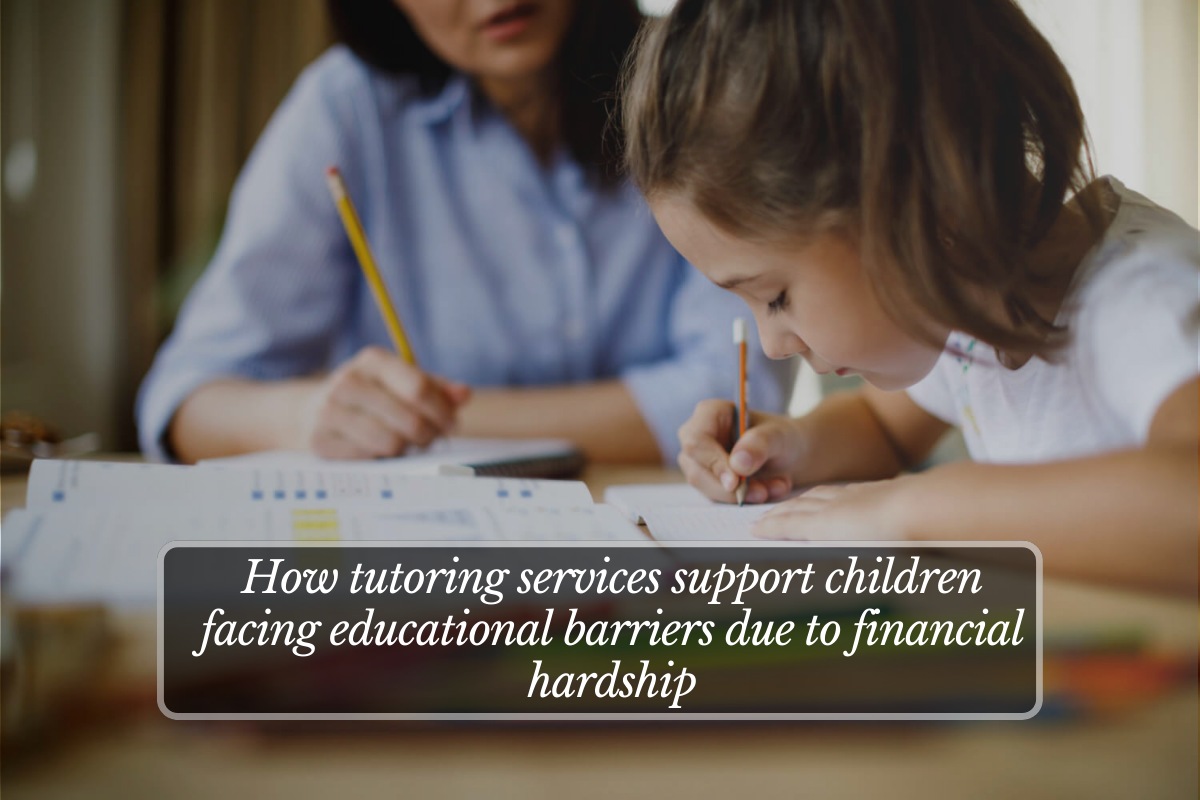
Tutoring gives students individualized or very small‑group instruction targeted to their specific skill gaps, something whole‑class teaching cannot always provide. A large meta‑analysis of nearly 100 randomized evaluations found that tutoring increased achievement by the equivalent of about 3–15 additional months of learning across grade levels, with especially strong effects in early literacy and elementary math.
For younger children, reading tutoring has been particularly effective in boosting foundational decoding and comprehension skills, while math tutoring shows strong results in number sense and problem‑solving.
Because instruction is personalized and immediate feedback is constant, tutors can quickly correct misunderstandings before they become entrenched and build students’ confidence as they experience success with appropriately challenging tasks. This is especially important for students who have fallen behind and may no longer fully engage in whole‑class instruction.
What Makes “High‑Impact” Tutoring Different
Research distinguishes high‑impact (or high‑dosage) tutoring from more casual or sporadic models. Key design features include:
- Frequency and duration: sessions at least 3 times per week, often 30–60 minutes, totaling 50 or more hours over a school year.
- Small ratios: one‑to‑one or small groups (no more than 3–4 students per tutor).
- Alignment with curriculum: use of high‑quality instructional materials and coordination with the student’s classroom teacher.
- Consistency: the same tutor (or small set of tutors) builds a relationship with the student over time.
Annenberg Institute and J‑PAL reviews show that such high‑impact models are among the few school‑based interventions with large positive effects, on average adding roughly 4 months of extra learning for elementary students—0.29 standard deviations in one major meta‑analysis. Some estimates suggest high‑impact tutoring can be 15–20 times more effective than traditional after‑school homework help for reading and math when implemented at scale.
Closing Learning Gaps After COVID-19
School closures during COVID‑19 produced significant learning loss, especially in math and reading for younger students. Analyses of U.S. and international data show that tutoring is one of the most reliable responses for learning recovery. For example, randomized trials of online tutoring during closures in Italy and Spain found gains of about 0.26 standard deviations—roughly offsetting expected learning losses. Similar studies report that high‑dosage tutoring can halve learning loss compared with no intervention.
Because the largest setbacks hit students who were already behind, federal and state guidance now recommends focusing high‑dosage tutoring on “academically at‑risk” learners—those below grade level or at risk of not meeting key benchmarks in elementary school. By intervening early, schools can prevent gaps from compounding into middle and high school.
Beyond Test Scores: Confidence, Engagement, and Attendance
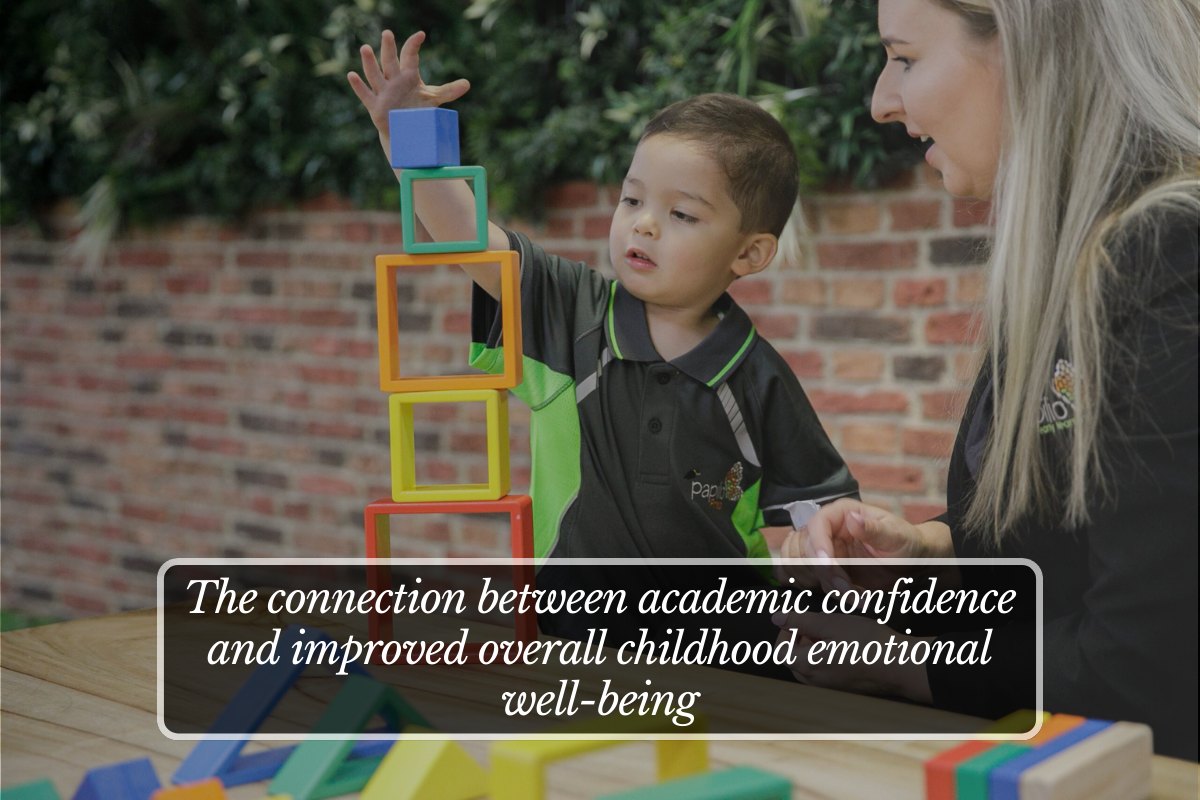
Tutoring’s benefits extend past test scores. High‑impact tutoring can improve students’ attitudes toward school, self‑confidence, and even attendance. A recent working paper found that students were about 1.2 percentage points less likely to be absent on days when they had a scheduled tutoring session, suggesting that students value and are motivated by the extra support. Gains in confidence are especially important for struggling readers and mathematicians, who may otherwise disengage.
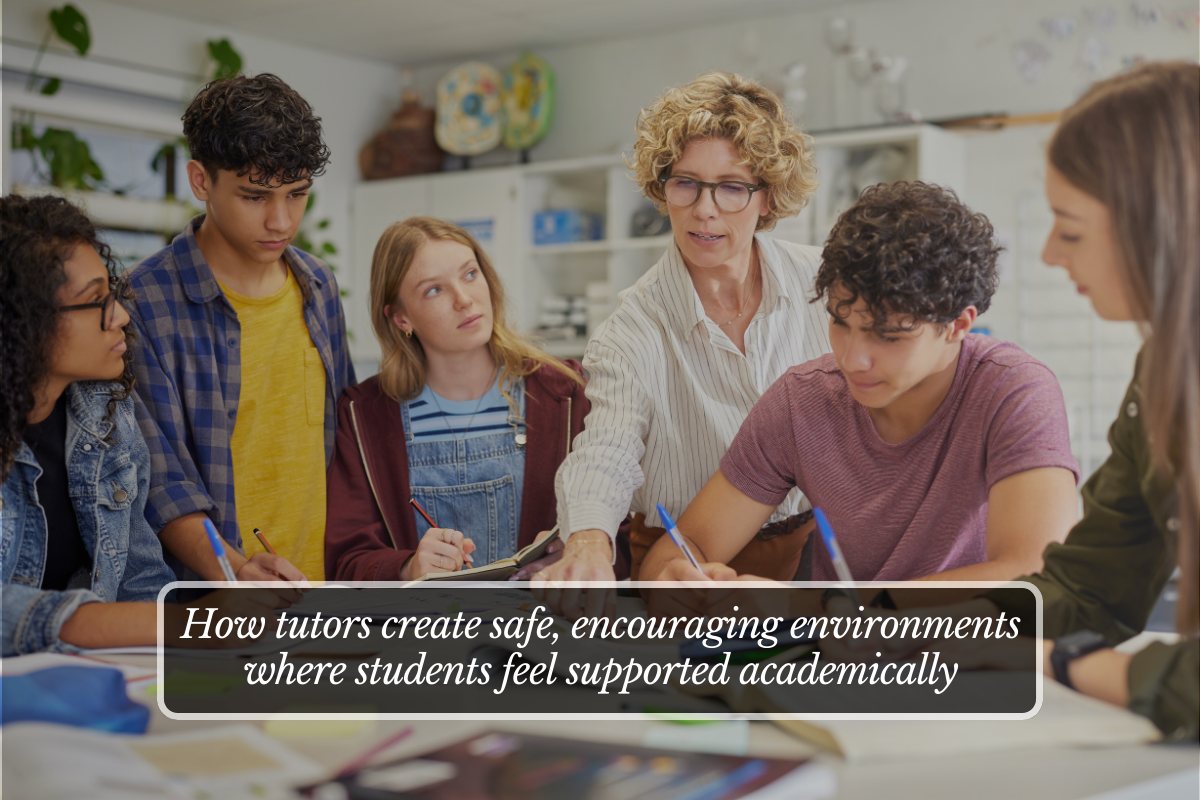
Tutors also serve as additional caring adults in a child’s life, offering encouragement and individualized attention that many students—particularly those from historically marginalized communities—may not receive consistently elsewhere. This relational aspect can make students more comfortable asking questions and persisting through challenging material.
Key Ingredients of Effective Tutoring Programs
Research and practice point to several design principles that districts and providers should follow:
- Embed tutoring during the school day when attendance is higher and logistics easier.
- Use data (diagnostic and formative assessments) to pinpoint skills and monitor progress.
- Train tutors—whether certified teachers, paraprofessionals, or well‑prepared volunteers—in the curriculum, behavior management, and relationship‑building.
- Keep student‑tutor group sizes small (ideally 1:1 or 2:1) for struggling elementary students.
- Coordinate with classroom teachers so tutoring reinforces grade‑level content, not a separate track.
When these conditions are met, high‑impact tutoring becomes one of the highest‑return investments available for closing learning gaps in elementary school.
Frequently Asked Questions (FAQs)
1. How much can tutoring really improve learning for elementary students?
Meta‑analyses of randomized trials show average gains of about 0.29 standard deviations—roughly 3–4 additional months of learning—with some programs achieving up to 15 months of extra progress across a year.
2. What is the difference between “high‑impact” tutoring and regular tutoring?
High‑impact tutoring is frequent (3+ sessions per week), uses very small groups, aligns with classroom instruction, and relies on consistent, trained tutors; sporadic homework help or weekly sessions typically produce much smaller effects.
3. Which subjects benefit most from tutoring in elementary school?
Evidence is strongest for early literacy (pre‑K through grade 1) and math in elementary and middle school, where tutoring has repeatedly shown large, positive effects on foundational skills.
4. Does online tutoring work as well as in‑person?
Well‑designed online tutoring—regular, small‑group or 1:1, and aligned to curriculum—has reduced learning loss by about half in several trials, though implementation quality and student access to technology are critical.
5. How are U.S. schools using tutoring to address COVID learning loss?
Federal guidance and many state policies now promote high‑dosage tutoring during the school day for students below grade level, using ESSER and other funds, with design principles from organizations like Annenberg Institute and J‑PAL guiding implementation.