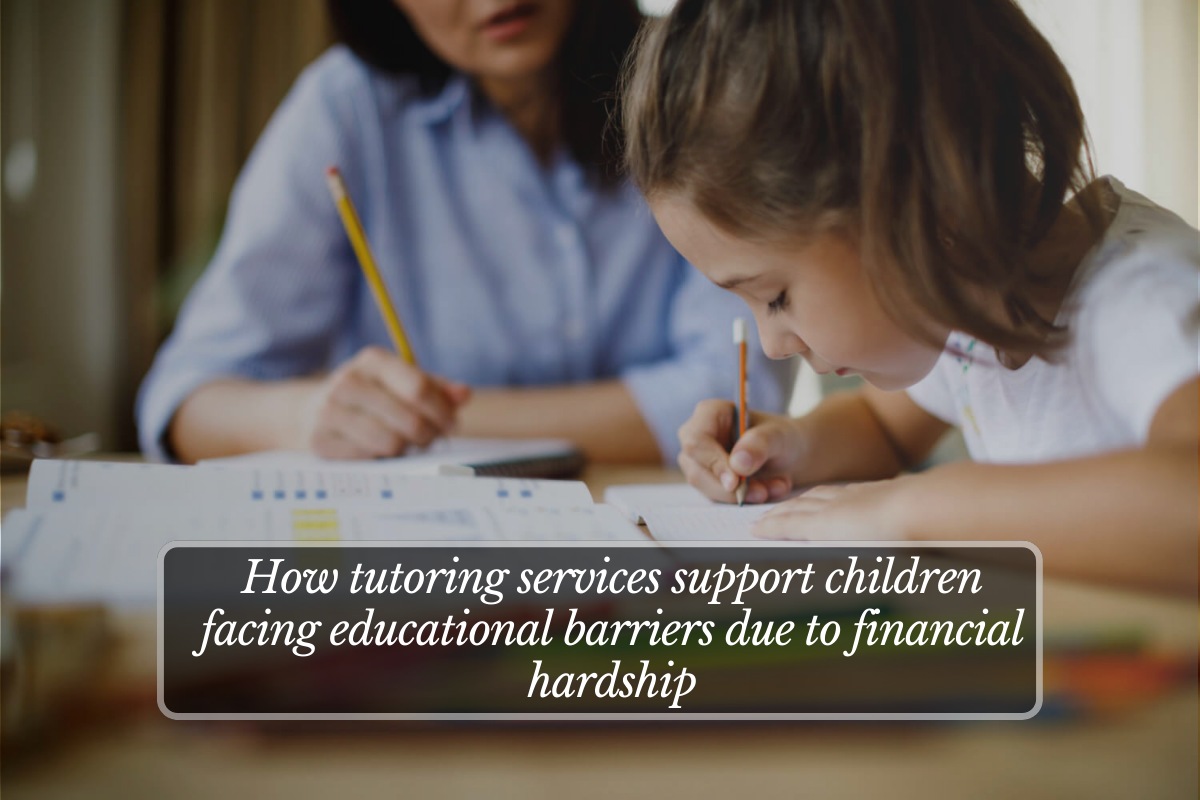
Tutoring services empower children from low-income families to overcome educational barriers like resource scarcity, overcrowded classrooms, and food insecurity, delivering personalized support that boosts grades by 0.2-0.4 standard deviations.
Free or subsidized programs—nonprofits, online platforms, volunteers—bridge gaps for 13 million U.S. students in poverty, improving math/reading proficiency 15-30% and fostering confidence amid financial strains. These interventions yield long-term gains, narrowing achievement disparities where low-SES kids trail peers by 1-2 years.
Addressing Resource and Access Gaps
Low-income students lack books, internet, or quiet study spaces, exacerbating lags; tutoring via apps like Khan Academy or platforms with sliding-scale fees eliminates costs, offering flexible virtual sessions that save transport expenses. Programs like Italy’s TOP scaled to 1,300 disadvantaged middle-schoolers, using volunteer university tutors for remote math/Italian, raising scores while building socio-emotional skills.
Nonprofits provide devices/merit scholarships, ensuring equity; U.S. initiatives target Title I schools, where 70% qualify for free lunch.
Personalized Learning for Academic Recovery
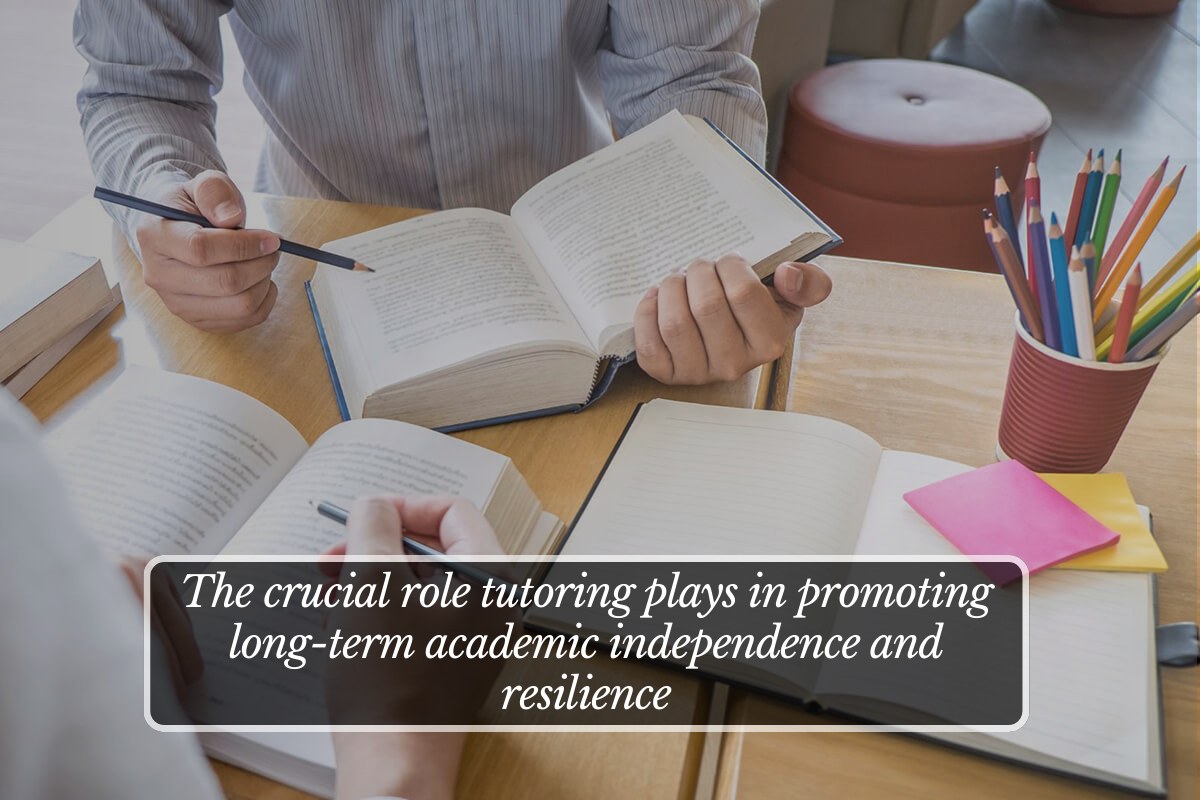
One-on-one tutoring tailors to needs—remediation for basics, acceleration for gifted low-SES kids—accelerating progress 2-5x faster than group instruction. Tutors diagnose gaps from financial disruptions like evictions, using data-driven plans; online tools track mastery, adapting in real-time.
Studies show 20-30% reading gains post-10 sessions, critical for kids missing school due to work or instability.
Building Confidence and Socio-Emotional Skills
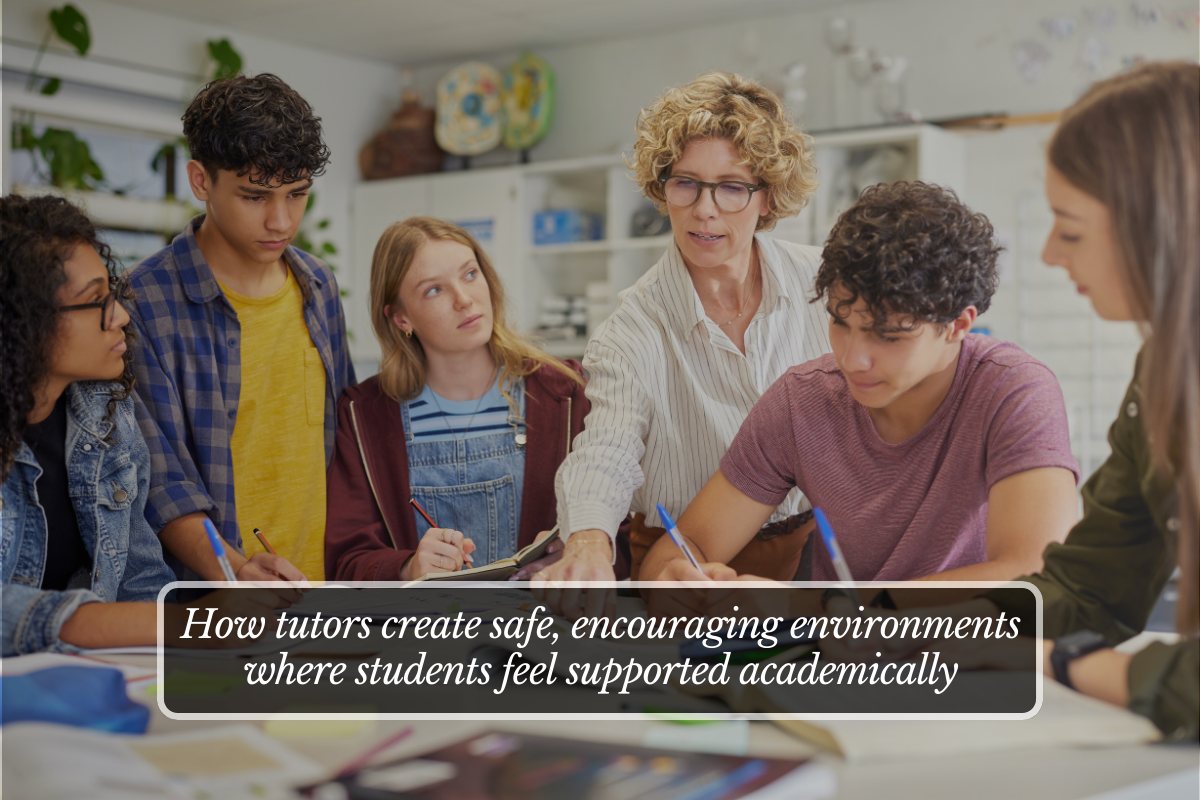
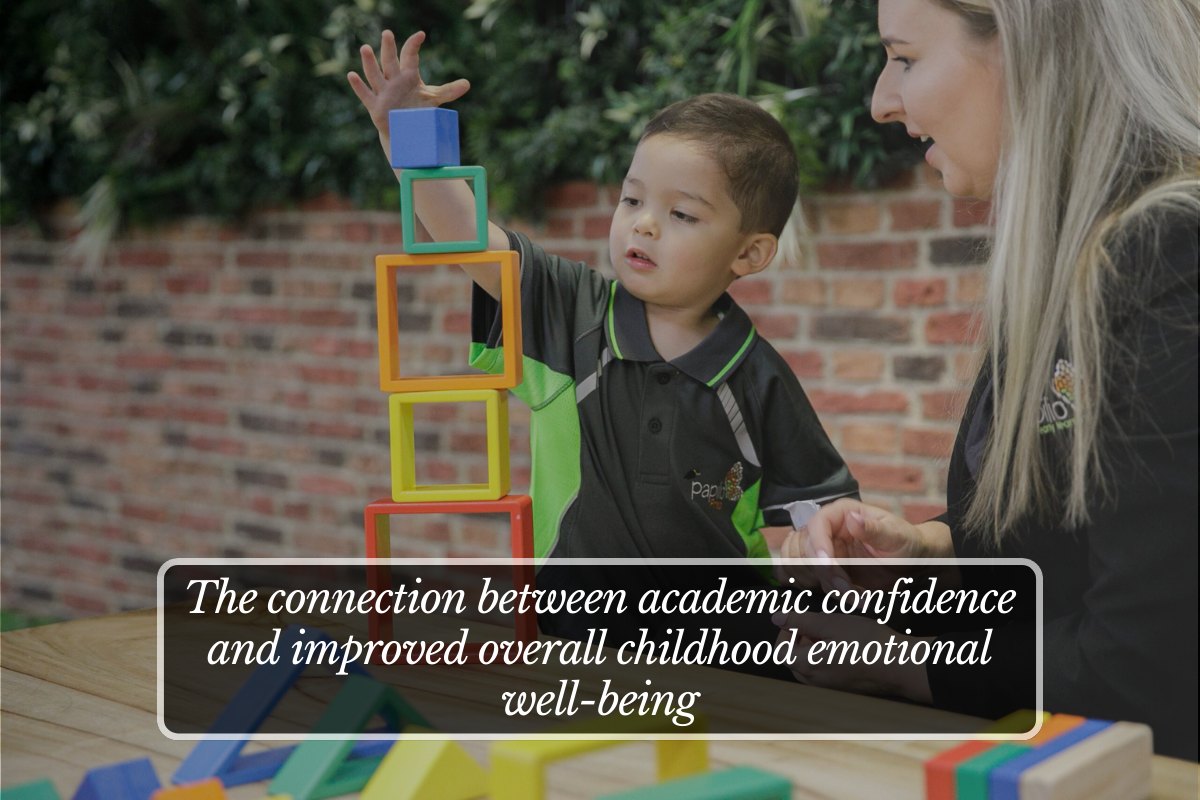
Financial hardship erodes self-esteem; tutors mentor, validating efforts and celebrating milestones, boosting motivation 40% via nurturing environments. Disadvantaged children gain resilience, reducing dropout risks halved through consistent encouragement.
Holistic support includes goal-setting, countering trauma from poverty; volunteer bonds provide role models absent in overburdened homes.
Long-Term Outcomes and Economic Mobility
Tutoring lifts graduation rates 10-15%, college enrollment for low-income youth; ROI hits $5-7 per dollar via reduced remediation/special ed costs. Programs like UK’s Tutor Trust address regional inequities, where poor areas lag 20% in GCSEs.
Sustained access prevents cycles—stronger academics yield jobs, breaking poverty for families.
Models and Community Partnerships
- Volunteer/Nonprofit: Free sessions via AmeriCorps, libraries; scalable, high-impact.
- Online Platforms: Flexible, low-cost; scholarships for underserved.
- School-Based: After-school via 21st CCLC grants, partnering families.
- Hybrid: Virtual for rural, in-person for engagement.
Communities fund via grants; parents access via school referrals.
FAQ
1. How do tutoring programs cut costs for low-income families?
Sliding fees, scholarships, free online/virtual options eliminate transport/books; nonprofits cover devices.
2. What academic gains do disadvantaged kids see?
0.2-0.4 SD boosts in math/reading; 20-30% proficiency jumps via personalized plans.
3. Why include socio-emotional support in tutoring?
Builds confidence, resilience; halves dropout risks, fosters mentorship absent at home.
4. Name effective U.S./global models?
TOP (Italy, 1,300 kids), Khan/volunteer programs; Title I after-school grants.
5. What’s the long-term ROI?
$5-7 per dollar via higher graduation, lower special ed; breaks poverty cycles.