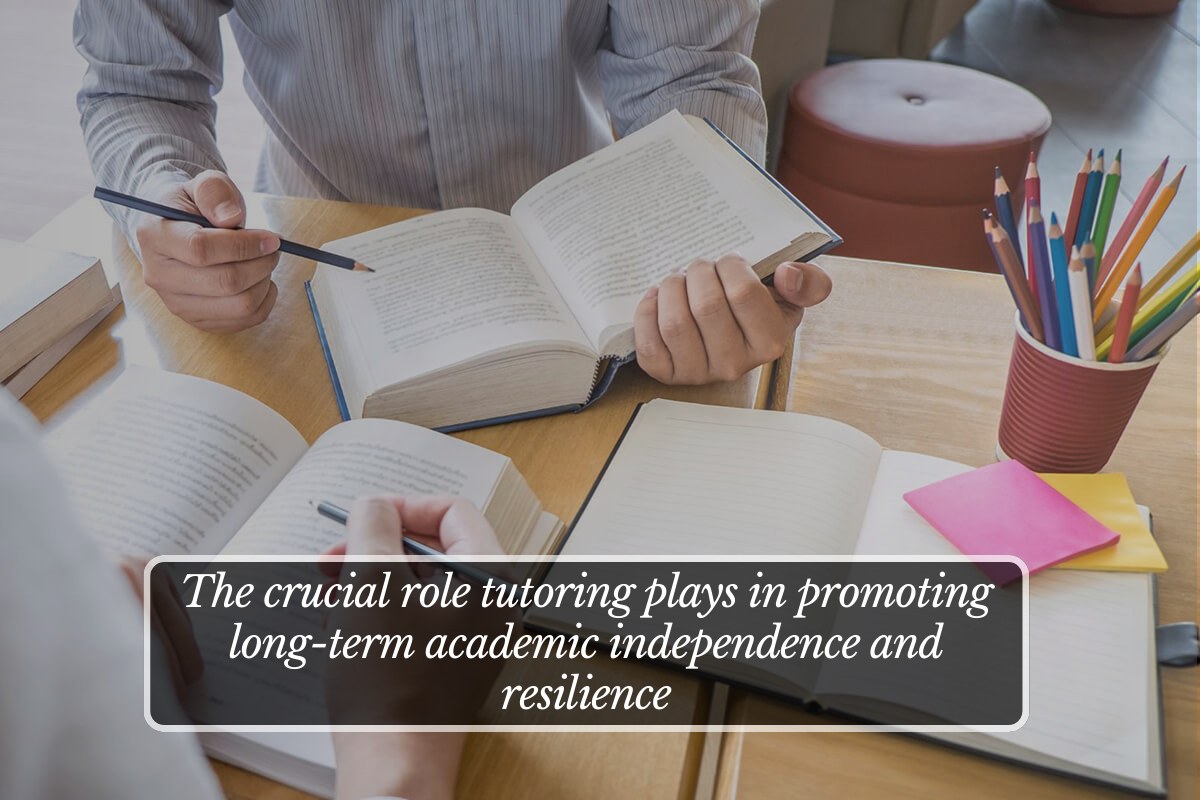
Tutoring serves as a cornerstone in U.S. education, bridging gaps for millions of students through personalized support that fosters self-reliance and grit. Programs like those under Title I and 21st Century Community Learning Centers demonstrate tutoring’s impact on closing achievement divides, especially post-pandemic. By building skills and confidence, effective tutoring equips learners for lifelong success beyond rote memorization.
Understanding Tutoring’s Foundations in the USA
In America, tutoring spans supplemental programs in schools, private services, and nonprofit initiatives like Reading Partners, reaching over 1 million students annually. Federal investments via ESSA prioritize high-dosage tutoring—three or more sessions weekly—for at-risk youth, yielding 0.3-0.5 standard deviation gains in math and reading. Tailored approaches address diverse needs, from ESL to STEM gaps prevalent in underserved districts.
Evidence from NWEA studies shows tutoring accelerates recovery, with effects persisting into subsequent grades for sustained independence.
Building Academic Independence Through Targeted Support
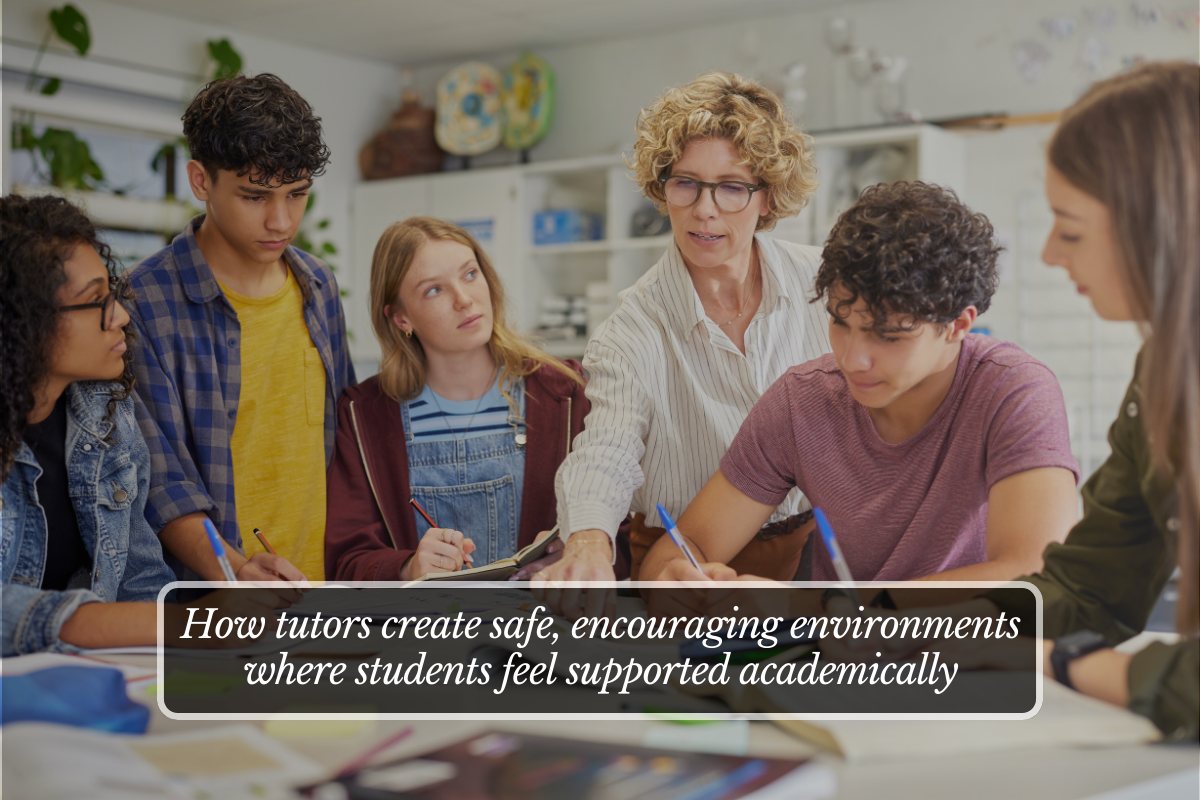
Tutoring shifts students from dependency to mastery by teaching metacognitive strategies like self-questioning and goal-setting. Tutors model problem-solving, gradually releasing responsibility via scaffolds that fade over time, per Vygotsky’s Zone of Proximal Development adapted in U.S. classrooms. Programs emphasize executive function skills—planning, organization—crucial for ADHD or low-income students facing 20-30% higher dropout risks.
Longitudinal data reveals tutored students 25% more likely to pursue higher education independently.
| Tutoring Element | Strategy | Outcome |
|---|---|---|
| Personalization | Diagnostic assessments | Matches pace to needs |
| Scaffolding | Gradual independence | Builds self-efficacy |
| Metacognition | Reflection journals | Enhances retention |
Fostering Resilience in the Face of Challenges
Resilience blooms when tutoring reframes failures as growth opportunities, using growth mindset interventions proven in U.S. trials to boost persistence by 15-20%. Tutors provide emotional scaffolding, celebrating effort amid setbacks like test anxiety common in 40% of middle schoolers. Peer tutoring models in after-school programs cultivate social resilience, reducing isolation in high-poverty schools.
RAND evaluations confirm tutored youth exhibit 18% lower chronic absenteeism, linking academic tenacity to life skills.
Evidence from U.S. Programs and Studies
High-dosage tutoring in Tennessee’s iReady program doubled post-COVID math recovery rates. Chicago’s tutoring hubs for Black and Latino students narrowed racial gaps by 40% in ELA proficiency. Virtual platforms like Saga Education scale access nationwide, with 80% retention signaling engagement.
CHADD-affiliated literacy tutoring aids neurodiverse children, promoting equity per IDEA mandates.
Integrating Tutoring into Broader Educational Ecosystems
Schools embed tutoring via MTSS frameworks, pairing it with family engagement for holistic support. Policymakers advocate $2B federal expansions, targeting Title I schools where 50% of students lag grade-level. Teacher training ensures sustainability, transitioning tutored gains to classroom independence.
Community partnerships, like Boys & Girls Clubs, extend reach, yielding ROI of $9 per $1 invested in resilience-building outcomes.
Long-Term Outcomes and Policy Implications
Alumni of tutoring programs show 22% higher college completion rates and 15% better employment trajectories, per Brookings analyses. Resilience translates to workforce adaptability amid AI shifts. Future policies should prioritize evidence-based models, equitable funding, and tutor certification for nationwide impact.
FAQs
What makes high-dosage tutoring effective for U.S. students’ independence?
Three-plus weekly personalized sessions yield 0.3-0.5 SD gains in skills like self-regulation, accelerating recovery and persisting into higher grades per ESSA-funded studies.
How does tutoring build resilience according to American research?
By fostering growth mindsets, emotional support, and effort praise, reducing absenteeism 18% and boosting persistence 15-20% in at-risk youth.
What are key strategies tutors use for academic self-reliance?
Scaffolding, metacognitive tools like journals, and gradual release of responsibility, tailored via assessments for diverse needs in Title I programs.
Which U.S. programs exemplify tutoring’s long-term impact?
Tennessee iReady doubles math recovery; Saga virtual hubs cut racial ELA gaps 40%, with 80% retention signaling sustained engagement nationwide.
Why integrate tutoring into school ecosystems per federal guidelines?
MTSS frameworks pair it with family support, yielding $9 ROI per $1, narrowing gaps in high-poverty areas under IDEA and ESSA mandates.