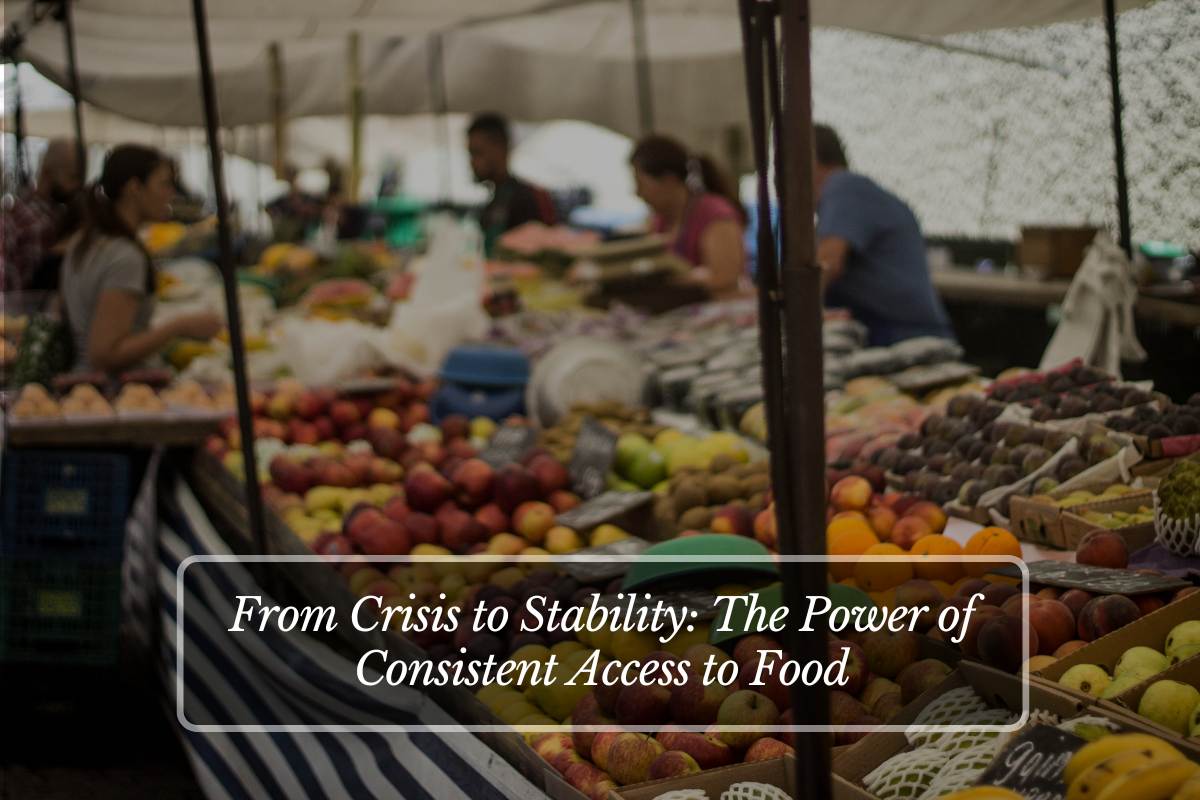
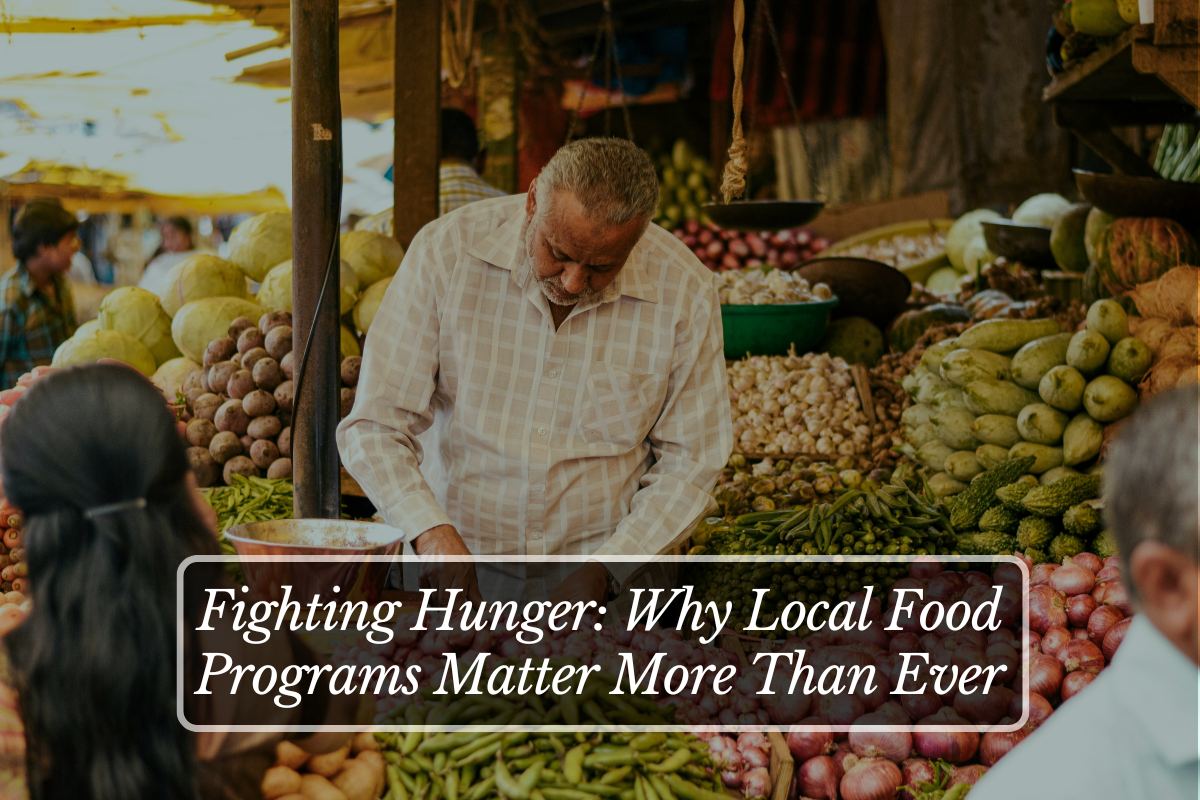
Food insecurity affects 44 million Americans—including 13 million children—plunging families into cycles of hunger, poor health, and economic hardship. Yet consistent access to nutritious ...
Food pantries combat hunger while preserving human dignity through client-choice models, community co-ops, and respectful interactions that affirm worth beyond need. These approaches reduce ...
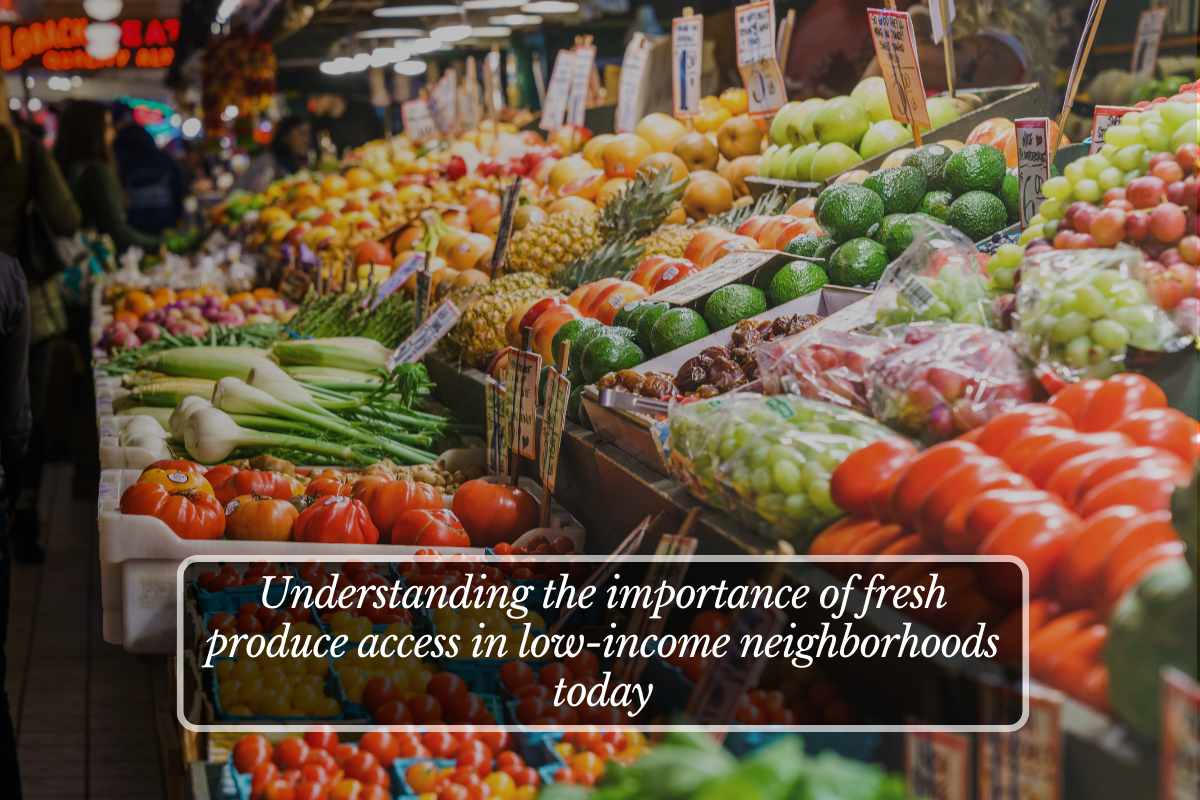
Fresh produce access remains critical in U.S. low-income neighborhoods, where food deserts limit healthy food options and exacerbate diet-related health disparities. Over 47 million ...
Reliable food assistance programs in the USA provide critical support to millions facing economic strain, reducing hunger and enabling stability for families. Key initiatives ...
Access to nutritious groceries in the United States strengthens household well-being and stability by improving physical health, emotional resilience, children’s development, and financial security. ...
Local food pantry volunteers across the United States form the backbone of hunger relief efforts, distributing millions of meals annually to vulnerable families facing ...
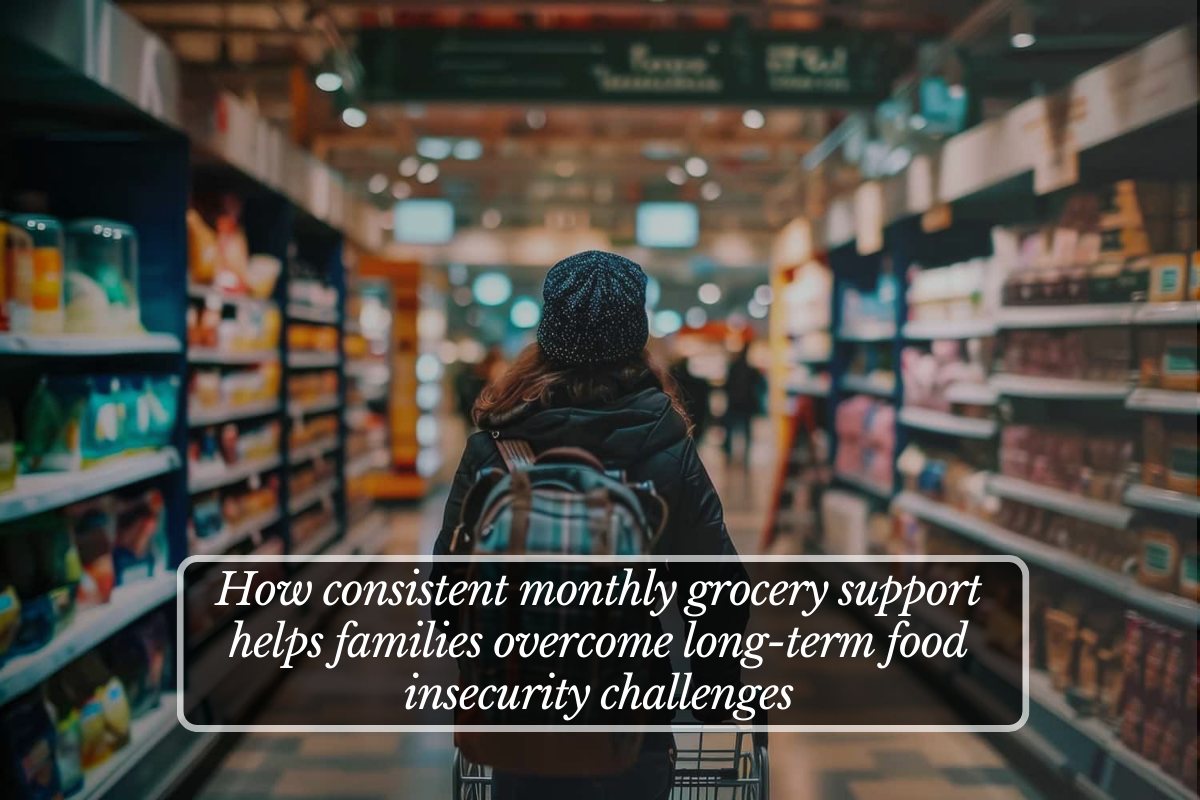
Consistent monthly grocery support in the USA breaks chronic food insecurity cycles affecting 44 million people by providing reliable nutrition, stabilizing health, and enabling ...
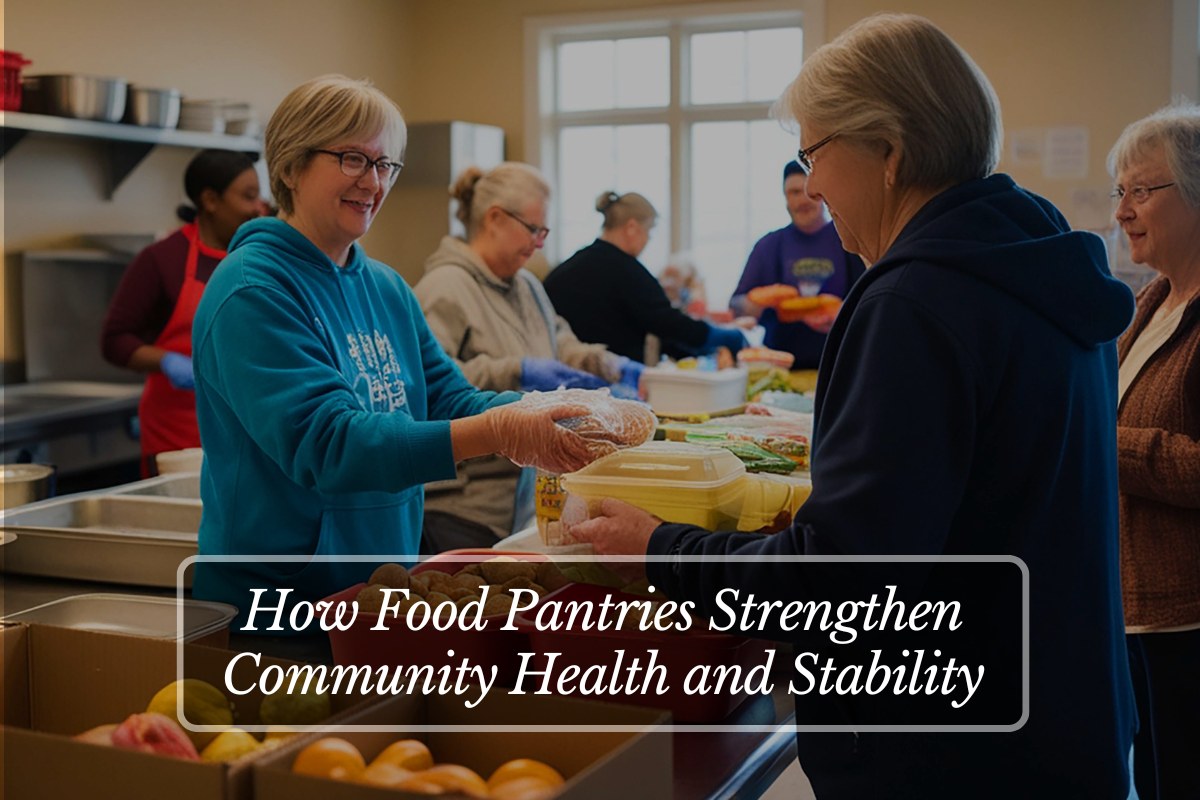
Food pantries strengthen community health and stability by reducing hunger, improving nutrition, and acting as hubs that connect people with wider social support. They ...
Monthly grocery support programs, such as SNAP benefits, food bank distributions, and home delivery initiatives, significantly alleviate food insecurity for struggling families by providing ...
Local food programs, including pantries, community gardens, and school meal initiatives, are critical frontline defenses against hunger, offering immediate, tailored relief amid rising costs ...