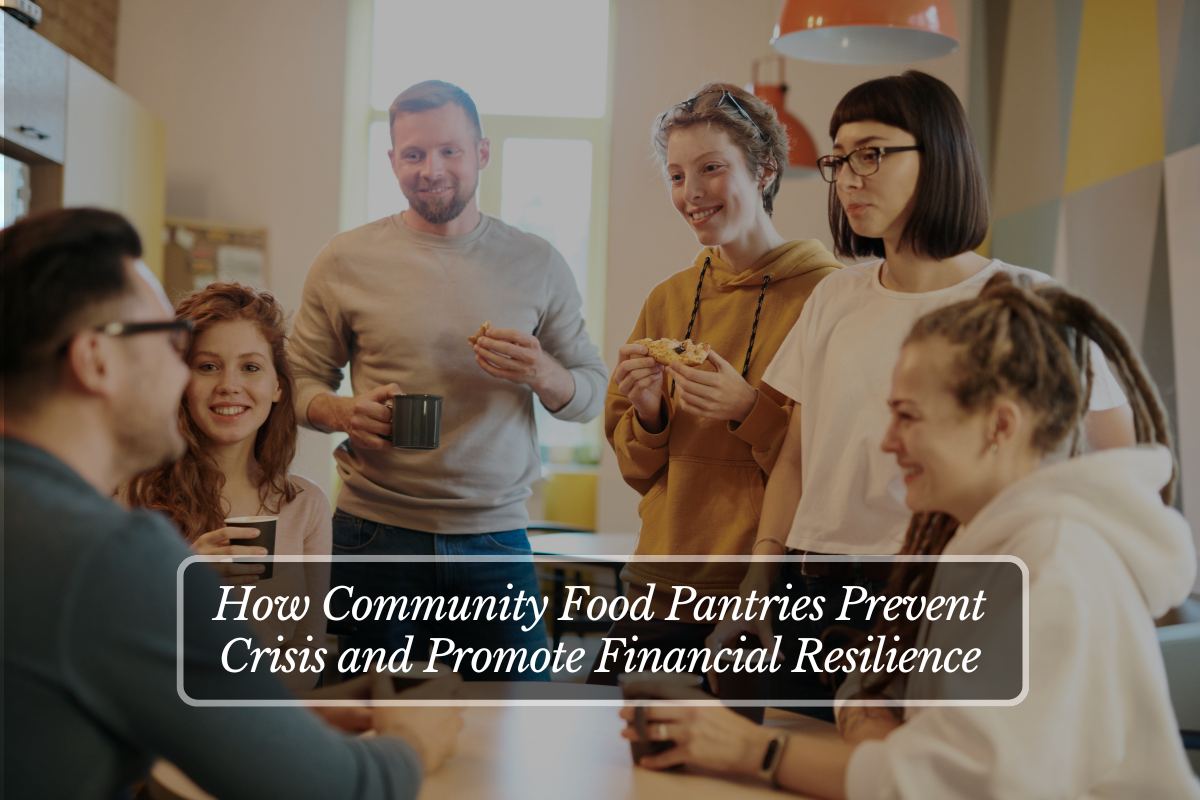
Monthly grocery support programs, such as SNAP benefits, food bank distributions, and home delivery initiatives, significantly alleviate food insecurity for struggling families by providing reliable access to nutritious food.
These aids reduce financial strain, improve health outcomes, and enhance family stability, allowing parents to allocate resources toward housing, education, and medical needs. Research shows that consistent support leads to better diet quality and fewer skipped meals, breaking cycles of poverty and hunger.
Alleviating Food Insecurity and Hunger
Struggling families often face chronic food shortages due to job loss, rising costs, or inadequate welfare, making monthly grocery aid a vital lifeline. Programs enabling choice in food selection, like client-choice pantries or SNAP, prove more effective at reducing insecurity than bulk distributions, as families select culturally appropriate and preferred items. Summer programs and home deliveries further address gaps when school meals end, ensuring children receive sufficient nutrition year-round.
Boosting Health and Child Development
Regular grocery assistance improves diet quality by increasing access to fruits, vegetables, and proteins, which lowers risks of malnutrition and chronic diseases. Parents report less stress and better child health, with kids showing improved focus, growth, and emotional well-being during crises like the pandemic. Vulnerable groups, including low-income, single-parent, or disabled households, benefit most from flexible delivery options that overcome transportation barriers.
Enhancing Financial and Economic Stability
By covering grocery costs, monthly support frees up budgets for rent, utilities, and emergencies, preventing evictions or utility shutoffs. Every dollar in SNAP-like aid generates broader economic activity through local grocery spending, supporting jobs and community vitality. Families stretch benefits further, reducing reliance on high-interest loans and fostering long-term financial resilience.
Strengthening Family and Community Resilience
Grocery programs act as safety nets during shocks like inflation or disasters, stabilizing households and promoting upward mobility. They connect families to additional services, such as enrollment in benefits or health referrals, building comprehensive support networks. Community-based models, including cash transfers alongside food, ensure sustained access in rural or underserved areas.
Key Impacts Overview
FAQ
Q1: How does monthly grocery support differ from one-time aid?
Monthly programs provide ongoing reliability, addressing chronic insecurity better than sporadic help, leading to sustained diet improvements and stability.
Q2: Who benefits most from these programs?
Low-income, single-parent, unemployed, or disabled families see the greatest gains in food access, health, and budget relief.
Q3: Does grocery aid improve child outcomes beyond nutrition?
Yes, it enhances mental health, school performance, and family dynamics by reducing stress and ensuring consistent meals.
Q4: How can families access monthly grocery support?
Enroll in SNAP/WIC, use food banks with choice models, or seek home delivery via nonprofits; combine with school/summer programs for children.