Food pantries strengthen community health and stability by reducing hunger, improving nutrition, and acting as hubs that connect people with wider social support. They also help families stay financially afloat and build more resilient, cohesive neighborhoods over time.
Reducing Hunger and Food Insecurity
The most direct impact of food pantries is ensuring that individuals and families have consistent access to enough food, especially in low‑income or crisis‑affected communities. Reliable access to groceries reduces the daily stress of wondering where the next meal will come from, which in turn supports mental and emotional well‑being.
Food pantries often operate as part of broader food bank networks, using donations and surplus food redistribution to bridge gaps where social protection and public benefits fall short. During economic downturns, pandemics, or natural disasters, they function as an emergency safety net that stabilizes households quickly.
Improving Nutrition and Health
Many modern food pantries have shifted from simply providing calories to prioritizing healthy, culturally appropriate food such as fruits, vegetables, whole grains, and lean proteins. Research and program evaluations show that “healthy food initiatives” in pantries can increase fruit and vegetable intake and improve overall diet quality among clients.
Some pantries pair healthy foods with nutrition education, cooking classes, or behavioral “nudges” that encourage better choices, helping to lower risks of diet‑related diseases like diabetes and heart disease. When pantries are located in or linked to health centers, they can directly support medical advice by making recommended foods more affordable and accessible.
Supporting Financial Stability
By covering a portion of a household’s food needs, pantries free up limited income for rent, utilities, transport, and health care. This “budget relief” can prevent difficult trade‑offs such as skipping medications or falling behind on housing payments, which protects longer‑term stability.
Over time, the combination of reduced food costs and better health can support educational performance for children and work productivity for adults, contributing to upward socioeconomic mobility. Some pantries also connect clients to job training, benefits enrollment, or case management to address root causes of poverty.
Building Social Connection and Resilience
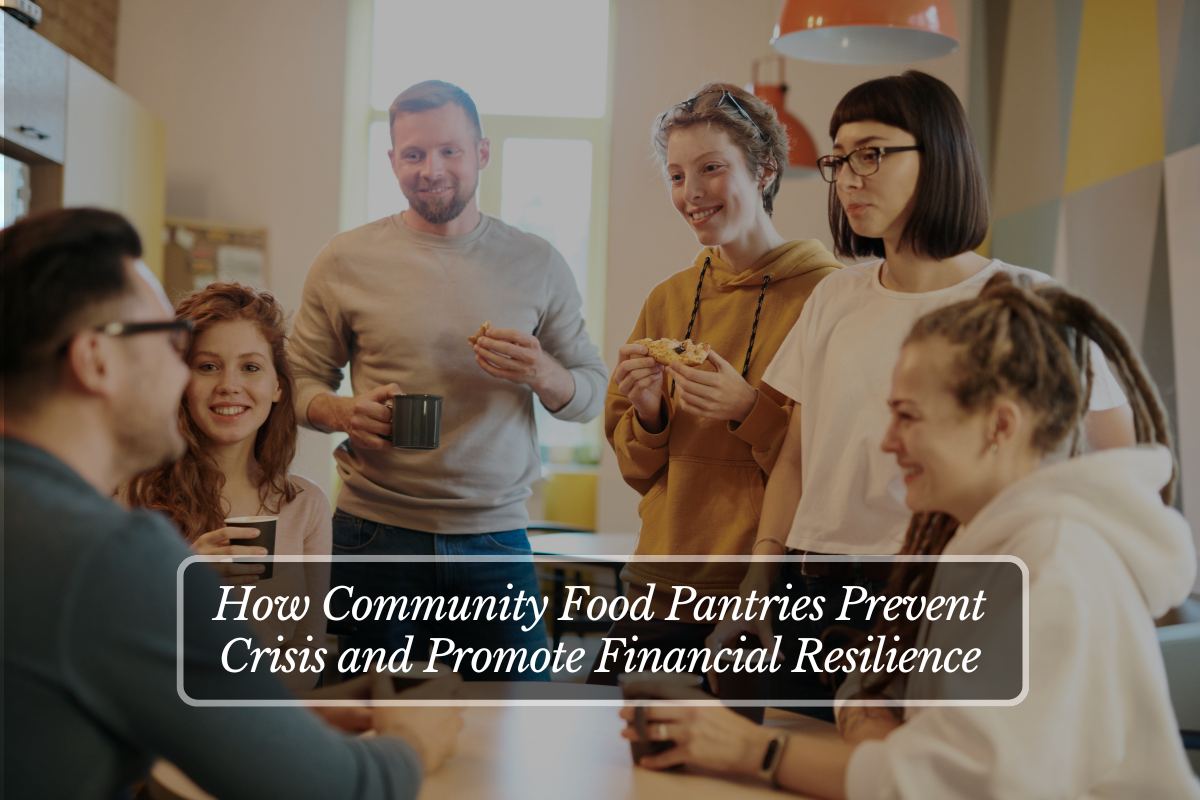
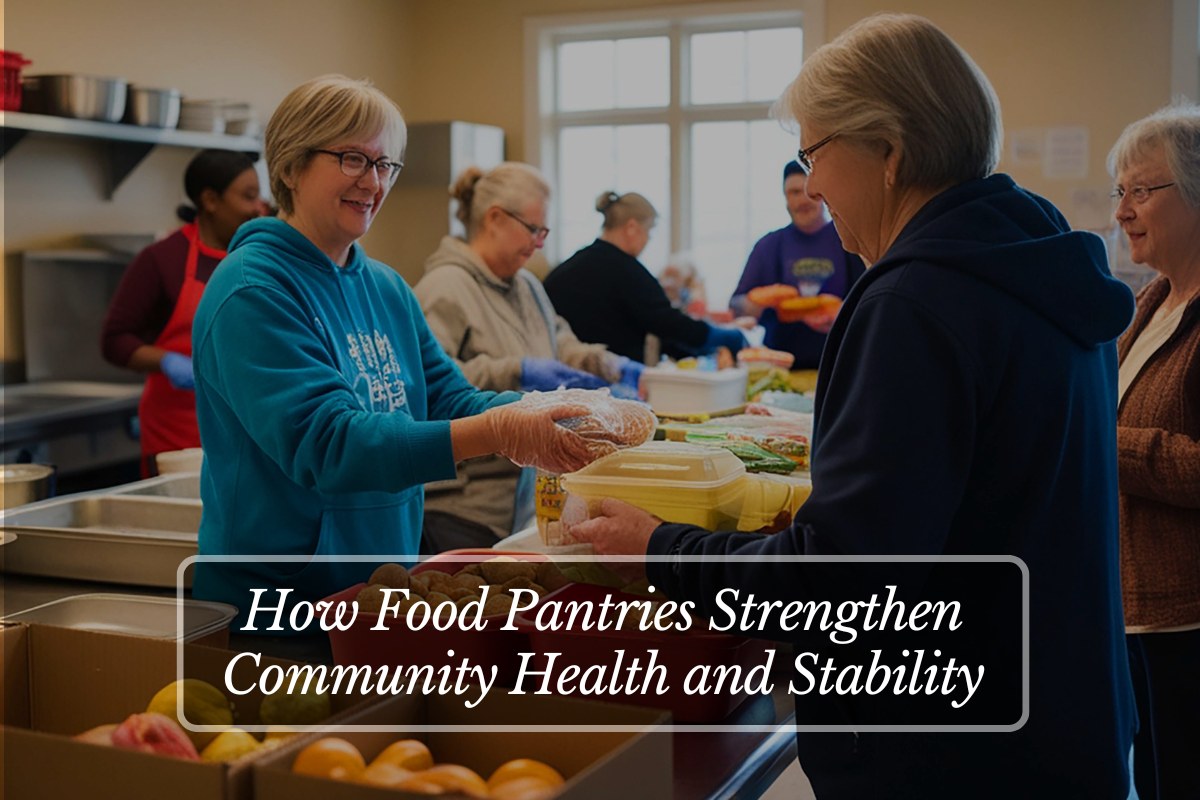
Food pantries often function as community hubs where volunteers, donors, and clients interact, building trust and mutual support across different groups. These relationships help reduce social isolation and stigma, replacing it with a sense of dignity and belonging.
Because pantries frequently partner with schools, clinics, shelters, and local businesses, they help weave a stronger local support network that can respond more effectively in times of crisis. Many also reduce food waste by redistributing surplus from farms, groceries, and restaurants, supporting environmental sustainability alongside community health.
Key Ways Food Pantries Help
FAQ
Q1: Do food pantries only provide emergency food?
No. While many started as emergency services, pantries are increasingly serving chronically food‑insecure clients and integrating long‑term supports like health programs and referrals.
Q2: How do food pantries improve health, not just stop hunger?
By prioritizing fresh produce, whole grains, and lean proteins, and sometimes offering nutrition education, pantries help clients adopt healthier eating patterns that reduce diet‑related disease risks.
Q3: Are food pantries good for the wider community, not just users?
Yes. They strengthen local economies by easing financial pressure on families, build volunteerism and social cohesion, and reduce food waste through surplus recovery, all of which support a more resilient, stable community.
Q4: How can communities maximize the impact of their food pantries?
Communities can support pantries with regular donations of healthy foods, volunteer time, partnerships with health and social services, and advocacy for policies that link hunger relief with nutrition and poverty reduction.