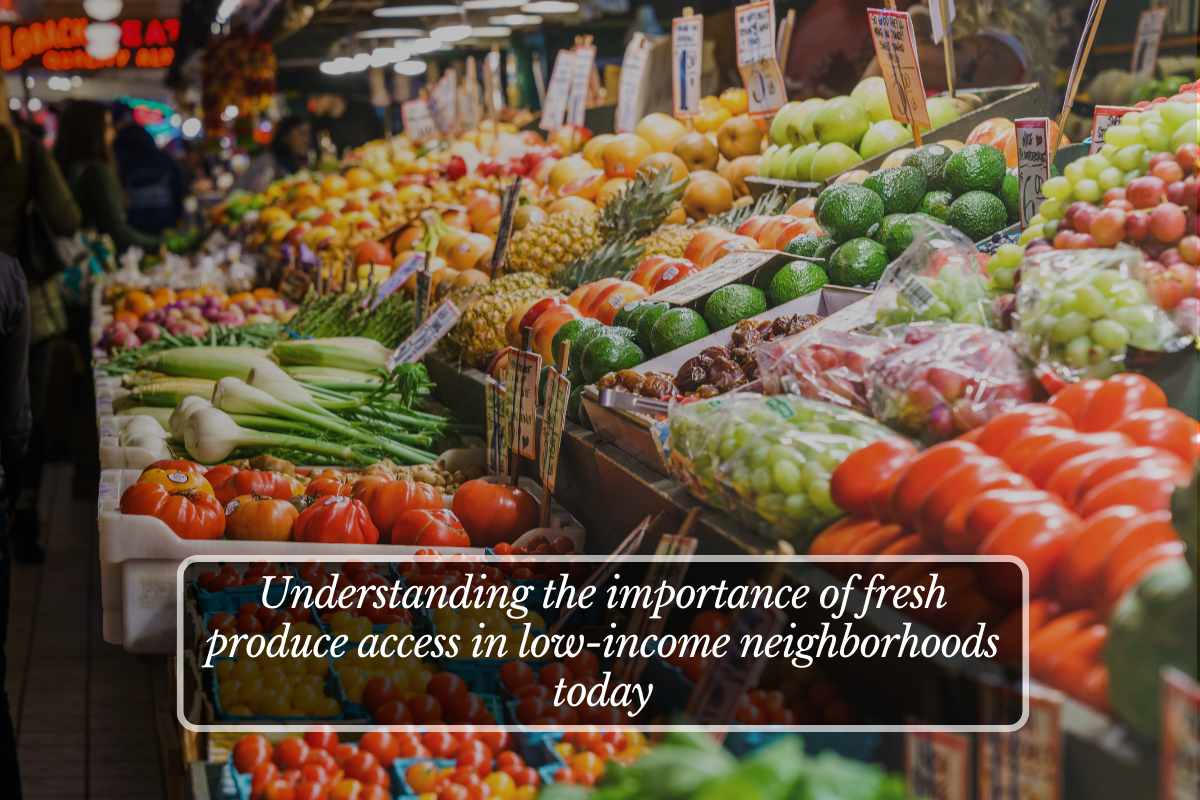
Fresh produce access remains critical in U.S. low-income neighborhoods, where food deserts limit healthy food options and exacerbate diet-related health disparities. Over 47 million individuals live in food-insecure households, with nearly 20% of children affected, particularly in rural counties where rates can hit 50%. These barriers drive reliance on calorie-dense processed foods, fueling obesity, diabetes, and cardiovascular disease amid rising costs.
Defining Food Deserts and Current Scale
Food deserts denote low-income census tracts where at least 500 residents or 33% of the population live over 1 mile (10 miles rural) from a supermarket stocking affordable fresh produce. The USDA’s Food Access Research Atlas identifies about 39.5 million people—12.9% of the population—in such areas, with Southern states like Mississippi (30%), New Mexico (29%), and Arkansas (26%) hardest hit.
Cities such as Memphis (32% affected), Atlanta, and Indianapolis top urban lists, where corner stores charge up to 43% more for produce than supermarkets.
Racial and ethnic minorities face disproportionate impacts, with Black and Hispanic households showing higher insecurity rates tied to under-resourced environments. In 2023, the national food budget shortfall reached $32 billion, or $22.37 weekly per person in insecure households, worsened by inflation outpacing wages.
Health Impacts of Limited Access
Poor fresh produce access correlates with suboptimal diets, elevating risks for chronic conditions like hypertension, diabetes, obesity, and certain cancers. Low-income residents pay premiums for fruits and vegetables at convenience stores, leading to lower intake and higher premature mortality. Food insecurity cycles amplify issues: strained budgets prioritize rent over nutrition, delaying disease management and hiking healthcare costs.
Children in these neighborhoods suffer iron-deficiency anemia and stunted growth, while adults face self-management barriers for conditions like diabetes. Over 80% of counties with top child food insecurity rates are rural, underscoring urban-rural divides in health equity.
Economic and Social Barriers
Transportation gaps hinder supermarket trips, especially without reliable public routes, forcing dependence on high-markup local outlets. Fresh produce prices rose faster than calorie-dense alternatives, stretching SNAP budgets despite eligibility for 44% of insecure individuals who often don’t participate. Corner stores dominate low-income areas, stocking minimal greens amid zoning that repels full grocers.
Socioeconomic factors compound this: 54 million faced insecurity pre-2025 cuts, with minorities overrepresented due to historical disinvestment. The Retail Food Environment Index reveals more fast food than grocers in vulnerable tracts, normalizing unhealthy norms.
Federal and Community Initiatives
The Healthy Food Financing Initiative (HFFI) awarded $220 million by 2018, leveraging $1 billion privately to fund 1,000 stores in 35 states, creating 2,500 jobs. Gus Schumacher Nutrition Incentive Program (GusNIP) offers SNAP point-of-sale matching for produce at markets and CSAs, with FY2025 grants testing pilots, standards, and large-scale projects.
SNAP incentives, produce prescriptions, and Fresh Fruit and Vegetable Program expansions target schools and pantries, boosting intake via vouchers and farm partnerships. Mobile grocers like Memphis’s trailer and urban farm-corner store pilots delivered thousands of items, enhancing feasibility. Zoning reforms and farm-to-school efforts further embed equity.
Path Forward for Equity
Multisector partnerships—retailers, nonprofits, and federal programs like CDC’s REACH—drive solutions via data, policy, and infrastructure like urban agriculture. Modernizing USDA procurement and SNAP incentives could align with dietary goals, reducing the $32 billion gap. Sustained commitments promise healthier futures, curbing disparities in a nation where 1 in 6 struggles daily.
Frequently Asked Questions (FAQs)
Q1. How many Americans live in food deserts today?
Approximately 39.5 million people, or 12.9% of the U.S. population, reside in low-income, low-access tracts per USDA data.
Q2. Which states have the highest food desert populations?
Mississippi (30%), New Mexico (29%), and Arkansas (26%) lead, with Southern states dominating due to income and access gaps.
Q3. What health risks stem from poor fresh produce access?
Increased obesity, diabetes, hypertension, and cardiovascular disease, with food insecurity worsening chronic outcomes.
Q4. How does GusNIP help low-income shoppers?
It provides SNAP incentives for fruits and vegetables at markets and stores, with 2025 grants funding pilots and evaluations.
Q5. What is the annual food budget shortfall for insecure households?
$32 billion nationally in 2023, equating to $22.37 extra per person weekly to meet needs.