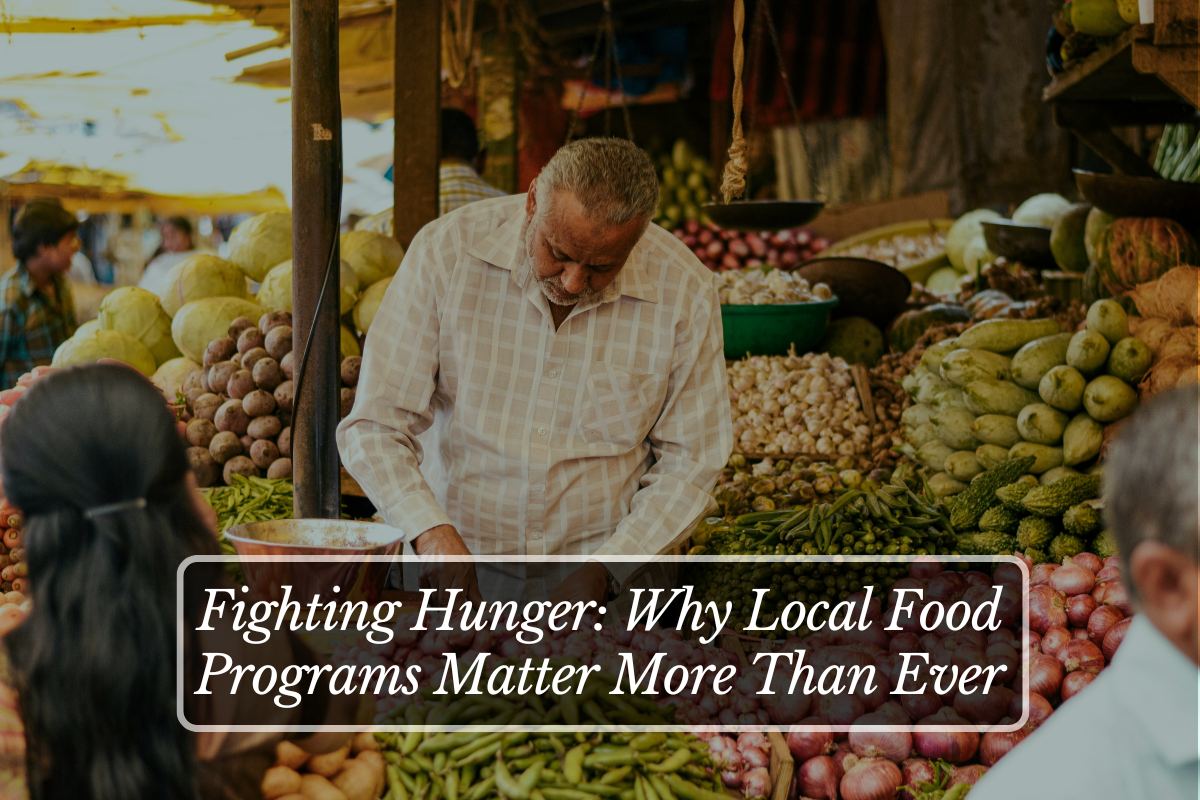
Local food programs, including pantries, community gardens, and school meal initiatives, are critical frontline defenses against hunger, offering immediate, tailored relief amid rising costs and economic pressures.
These programs outperform distant aid by addressing specific community needs, reducing waste, and fostering resilience in ways national efforts often cannot. With food insecurity affecting millions amid inflation and crises, their localized approach ensures faster response and higher impact.
Addressing Urgent Local Needs
Local programs respond swiftly to regional spikes in hunger caused by job losses, disasters, or supply disruptions, distributing food within hours or days. Unlike centralized systems, they incorporate fresh, culturally relevant items from nearby farms and stores, minimizing spoilage and maximizing nutrition. This proximity builds trust, encouraging higher participation among skeptical or isolated residents.
Tackling Rising Economic Pressures
Inflation and wage stagnation have stretched family budgets thin, making local programs essential for bridging gaps in daily meals. They supplement benefits like SNAP, which many families exhaust mid-month, preventing reliance on unhealthy alternatives. Programs like home delivery overcome transport barriers in rural or urban food deserts, ensuring equitable access.
Enhancing Nutrition and Long-Term Health
By prioritizing healthy foods through partnerships with farmers and health clinics, local initiatives improve diets and reduce chronic disease risks. Nutrition education integrated into distributions empowers families to make sustainable choices, yielding better child growth and adult well-being. Studies confirm these efforts lower healthcare costs community-wide by curbing obesity and diabetes.
Building Community Resilience and Connections
Local food programs serve as hubs for volunteers, donors, and social services, strengthening social bonds and reducing isolation. They link users to job training, benefits enrollment, and mental health support, tackling hunger’s root causes. During pandemics or recessions, their flexibility stabilizes neighborhoods, preventing broader instability.
Key Reasons Local Programs Excel
FAQ
Q1: Why prioritize local over national food aid?
Local programs adapt faster to specific needs, reduce logistics costs, and incorporate fresh regional foods, achieving higher effectiveness and participation.
Q2: How do these programs handle inflation-driven hunger?
They stretch limited benefits with free distributions, home delivery, and partnerships that secure affordable healthy options amid price hikes.
Q3: Do local efforts improve community health beyond meals?
Yes, through nutrition classes, health referrals, and social connections that enhance mental well-being and prevent diet-related illnesses.
Q4: How can individuals support local food programs?
Donate surplus food, volunteer, advocate for funding, or grow community gardens to sustain supplies and build collective resilience.