Food pantry volunteers dedicate their time to sorting donations, stocking shelves, and assisting clients, playing a vital role in combating local hunger through hands-on support. A typical day involves physical tasks like unloading trucks and emotional interactions like greeting families, all while maintaining organization and safety. Their efforts ensure efficient distribution, fostering community resilience amid rising food needs.
Morning Arrival and Setup
Volunteers arrive early to prepare for the day’s operations, often starting with unloading delivery trucks filled with donations from farms, stores, and individuals. They sort items by category—canned goods, produce, pastries—while checking expiration dates, discarding damaged products, and organizing storage areas. This back-of-house work requires lifting up to 45 pounds repeatedly and standing for hours, setting a smooth flow for client service.
Stocking and Inventory Management
Next, volunteers move sorted food to front shelves, stocking fridges, racks, and displays to keep everything accessible and appealing. Attention to detail prevents mix-ups, and they rotate stock to prioritize fresh items, reducing waste. Floaters handle varied tasks like retrieving carts or setting up promotional areas, adapting to immediate needs.
Client Interactions and Check-In
As the pantry opens, check-in volunteers greet clients warmly, scan cards or verify eligibility using basic computer skills, and explain services. They build rapport, book future visits, and guide shoppers, creating a dignified experience for those facing food insecurity. This role demands friendliness under pressure and constant interaction, often uncovering stories of struggle.
Assisting Shoppers and Checkout
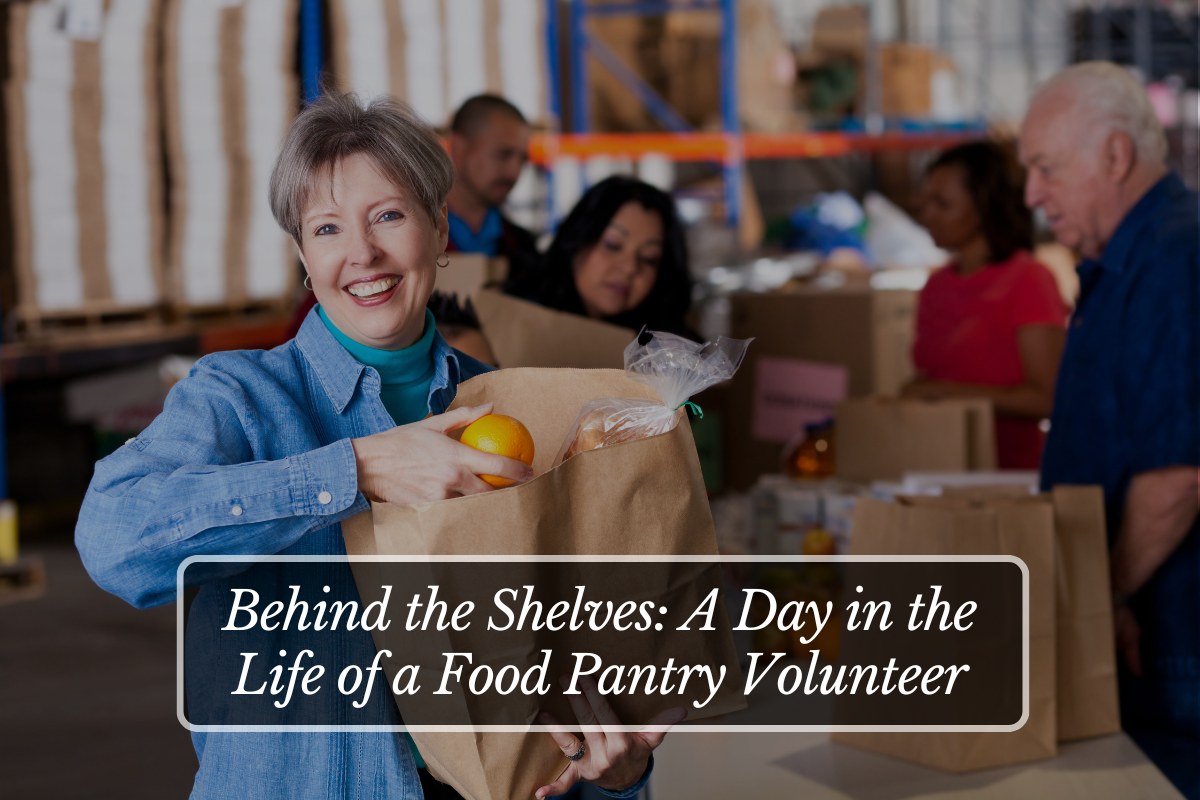
During peak hours, volunteers help clients select items, bag groceries—up to 20 pounds—and assist with loading cars, especially for those with mobility challenges. Check-out ensures correct quantities per guidelines, handles payments if applicable, and maintains tidy aisles. Produce and pastry sorters bag fresh donations carefully, following food safety protocols.
End-of-Day Wrap-Up and Reflection
Shifts close with cleaning spaces, cashing out tills, stock-takes, and unpacking late arrivals to prep for tomorrow. Volunteers debrief, sharing insights that improve operations, like better signage or referral partnerships. The day ends with fulfillment from direct impact, honing skills in teamwork, empathy, and organization.
Key Volunteer Roles
FAQ
Q1: What physical demands come with volunteering?
Roles often require standing 3 hours, lifting 20-45 pounds, and repetitive motions like sorting or stocking.
Q2: How much client interaction is there?
High in front-facing roles like check-in and bagging, involving greetings, rapport-building, and assistance; less in warehouse tasks.
Q3: What training is provided?
Basic orientation covers pantry rules, food safety, computer use, and services; on-the-job guidance for specific duties.
Q4: Why volunteer at a food pantry?
Gain teamwork, empathy, and organizational skills while directly aiding families, building community ties, and boosting resumes.