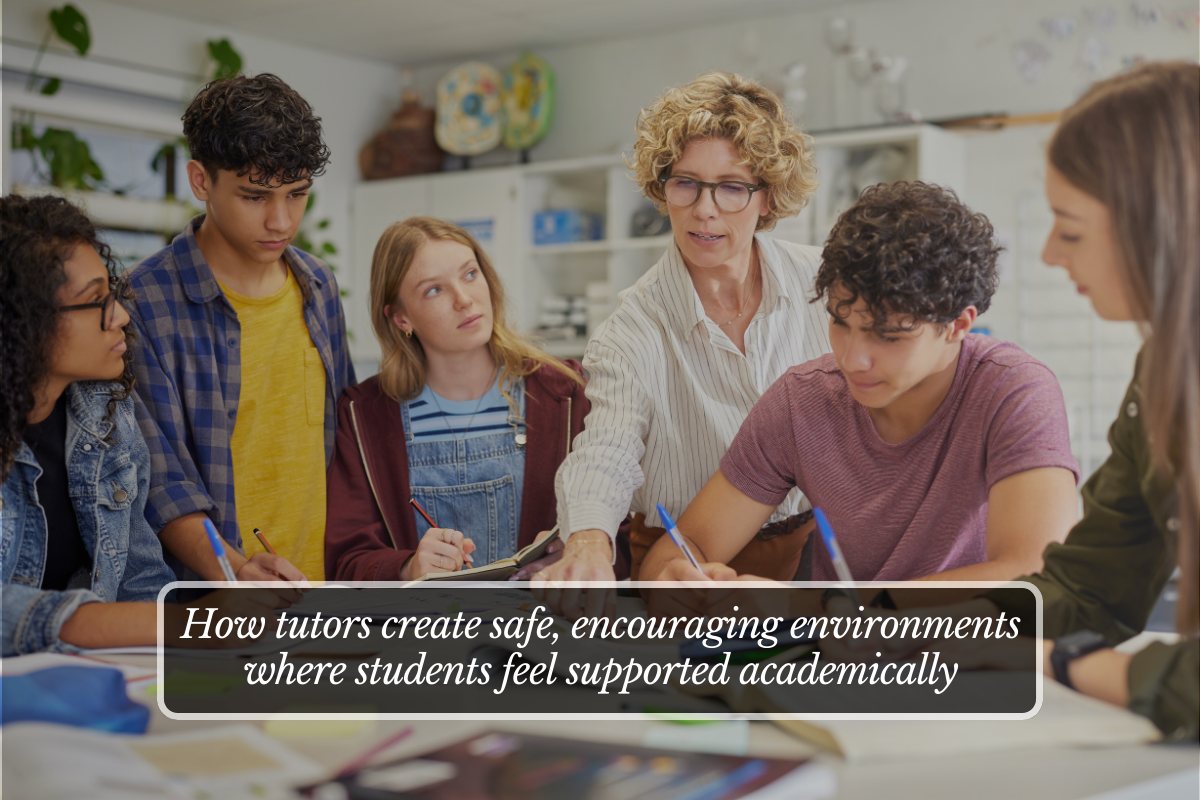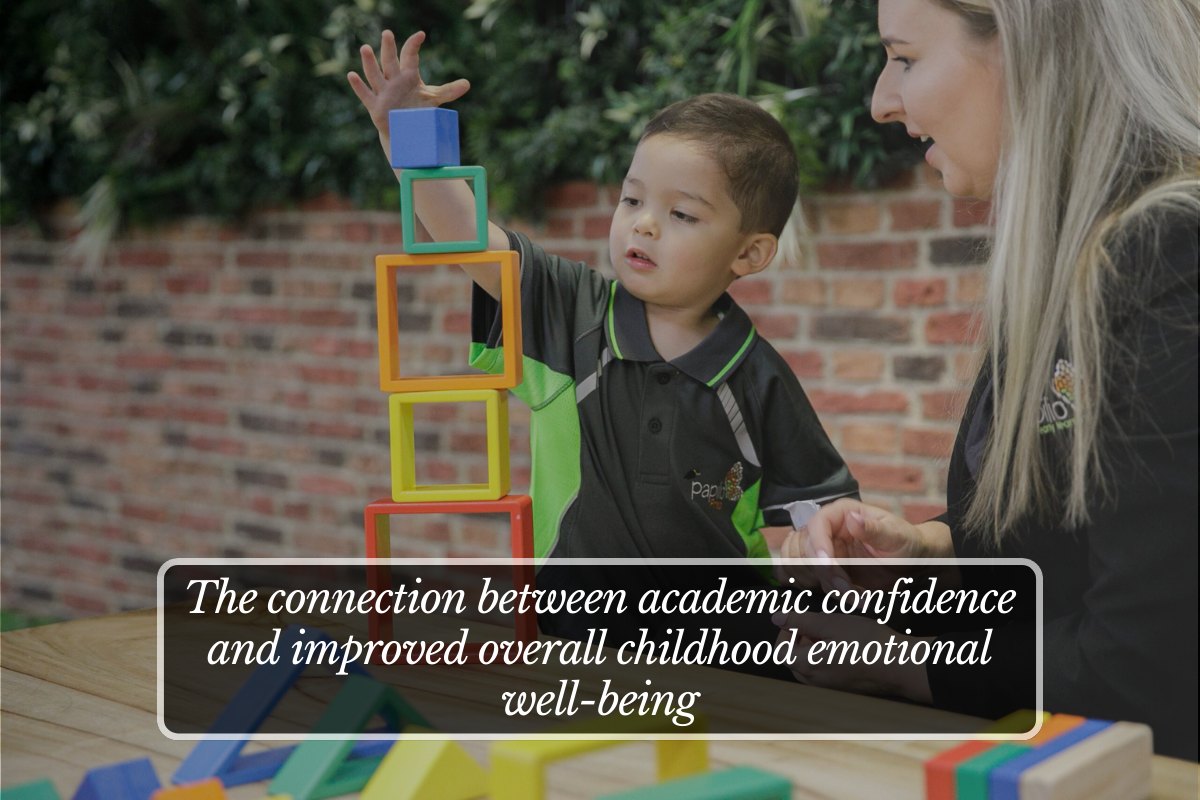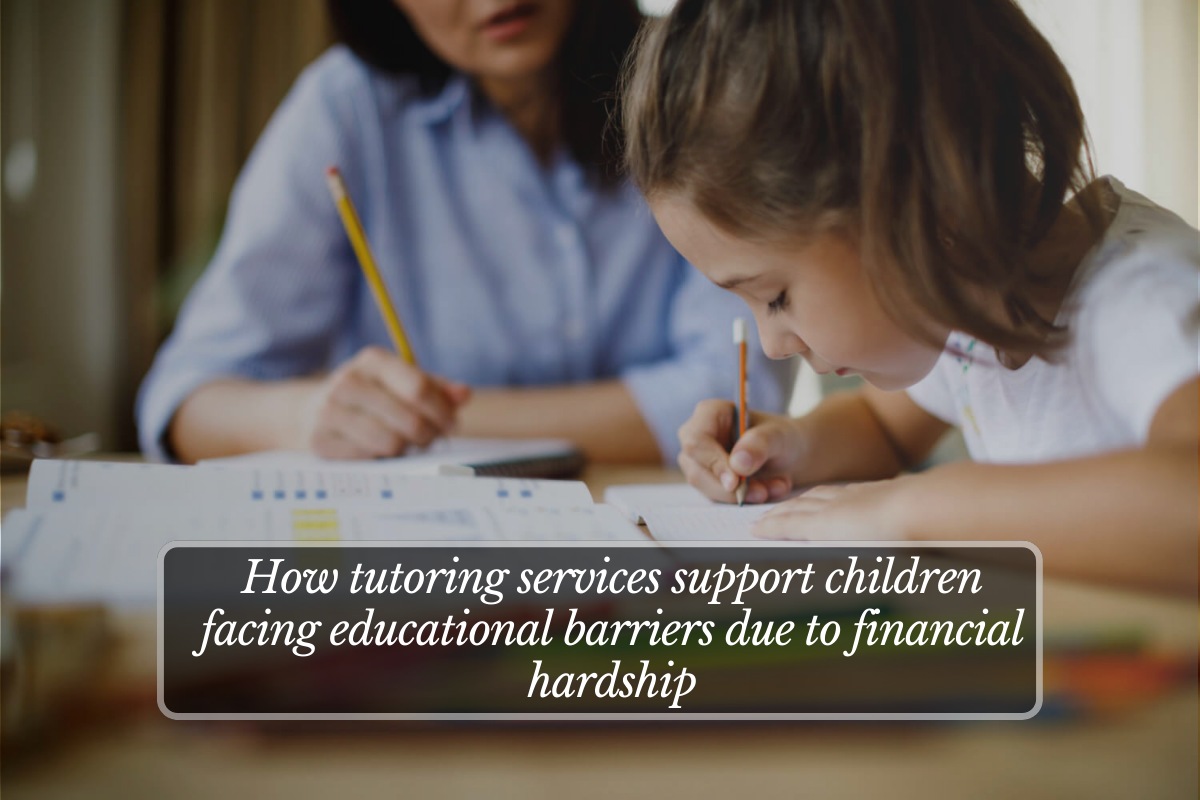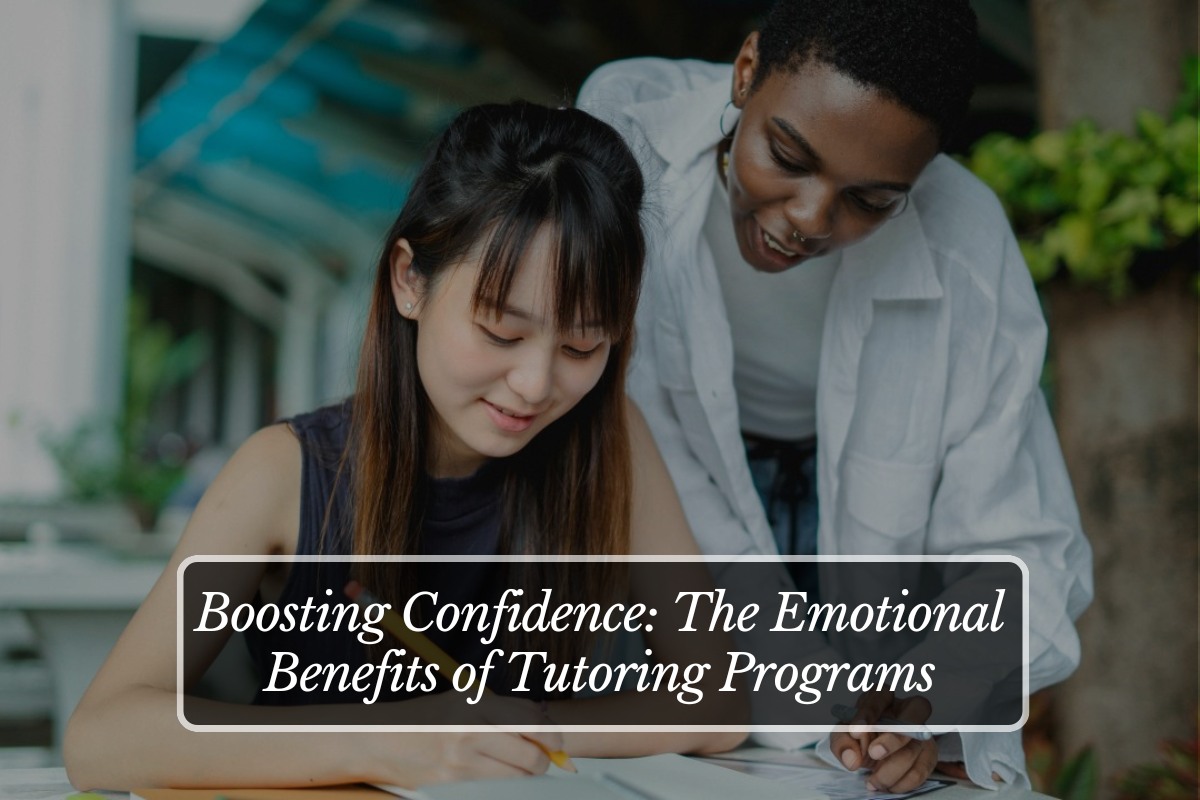
Tutoring programs deliver profound emotional benefits by creating supportive environments that reduce anxiety, build self-esteem, and foster resilience in students. Personalized guidance helps learners master challenges at their own pace, transforming academic struggles into sources of empowerment and growth. These gains extend beyond grades, enhancing overall mental health, motivation, and life satisfaction through consistent encouragement and achievement.
Reducing Anxiety and Academic Stress
Tutoring alleviates performance pressure by offering a judgment-free space where students tackle difficulties without classroom scrutiny. This structured support diminishes fear of failure, lowers test anxiety, and promotes emotional control, making learning enjoyable rather than overwhelming. Students gain a sense of mastery over subjects, reducing chronic stress that often accompanies falling behind.
Building Self-Esteem and Confidence
Consistent positive feedback and milestone achievements reinforce students’ belief in their abilities, significantly boosting self-esteem. As learners grasp previously difficult concepts, their confidence spills into classroom participation and risk-taking, creating a virtuous cycle of success. Tutors validate progress, helping students reframe self-talk from doubt to capability.
Fostering a Growth Mindset and Resilience
Tutoring instills the view that effort leads to improvement, encouraging students to see mistakes as learning opportunities rather than defeats. This mindset builds resilience, adaptability, and motivation to persist through challenges, extending benefits to personal development beyond academics. Students develop emotional intelligence, including patience and self-reflection, vital for long-term well-being.
Enhancing Social and Emotional Skills
One-on-one interactions improve communication, empathy, and relationship-building as tutors model supportive dynamics. Programs promote self-awareness and accountability, helping students advocate for themselves and regulate emotions effectively. These skills create positive learning attitudes and stronger peer connections.
Key Emotional Benefits
FAQ
Q1: How does tutoring reduce academic anxiety?
It provides paced, supportive practice in a non-judgmental space, easing fear of failure.
Q2: Why does tutoring boost self-esteem?
Positive feedback on achievements reinforces belief in abilities and reframes self-talk.
Q3: Can tutoring develop a growth mindset?
Yes, by showing effort yields improvement and viewing challenges as growth opportunities.
Q4: What social skills do students gain?
Improved communication, empathy, and self-advocacy through mentor relationships.