Volunteer tutors play a vital role in enhancing educational outcomes for local youth, particularly those from underserved communities. By offering personalized academic support, mentors not only improve grades and test scores but also foster confidence, motivation, and social skills critical for lifelong success. Studies show that even minimally trained volunteers can significantly increase student pass rates, especially in core subjects like math and reading.
Personalized Academic Support Boosts Achievement
Volunteer tutoring tailors instruction to individual student needs, enabling quicker mastery of concepts and reducing learning gaps. Research indicates students receiving more tutoring hours are significantly likelier to improve their grades and pass classes compared to peers receiving less support. This targeted attention helps overcome barriers like lack of resources or teacher time constraints in classrooms.
Building Confidence and Motivation
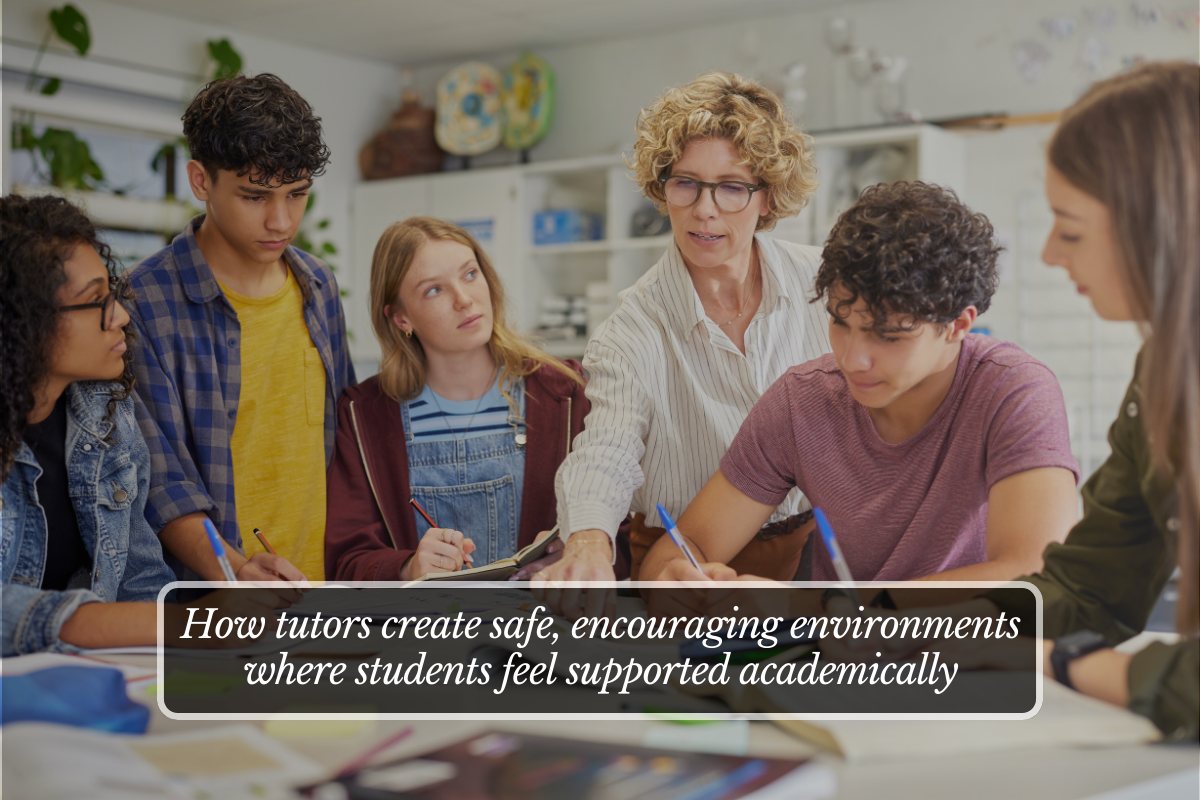
Beyond academics, volunteer tutors provide encouragement and a safe space for students to ask questions and confront challenges. This boost in self-esteem reduces anxiety and builds a growth mindset, motivating youth to engage more fully in their education. Tutors often become trusted mentors who inspire positive life habits and perseverance, facilitating improvements in both school and social behavior.
Supporting Social and Emotional Development
Tutoring programs foster interpersonal skills through one-on-one relationships that promote communication, empathy, and emotional regulation. Youth volunteers working alongside peers also gain confidence and leadership capabilities, creating a reciprocal benefit that strengthens communities. This holistic development complements academic growth and builds resilience to life challenges.
Volunteer Tutors as Community Anchors
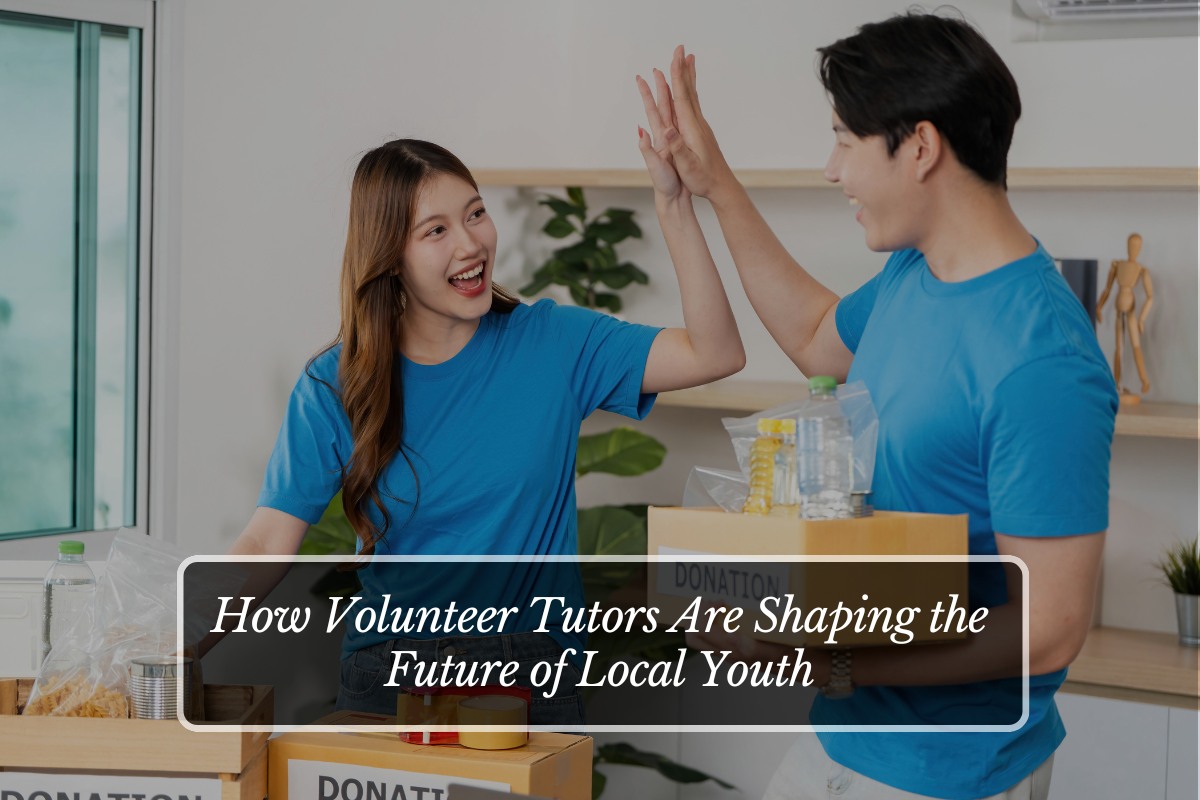
Community volunteers, including college students and retirees, inject vital human capital into local schools and programs, expanding capacity to reach struggling youth. Training and ongoing support for volunteers enhance program quality and sustain engagement, enabling scalable, cost-effective impacts on educational equity.
Key Impacts of Volunteer Tutoring
FAQ
Q1: Can minimally trained volunteers improve student grades?
Yes, studies show volunteers increase pass rates and grade improvements significantly.
Q2: How does tutoring affect student motivation?
Tutors provide a safe, encouraging space that fosters confidence and a growth mindset.
Q3: What social benefits arise from tutoring?
Tutoring boosts empathy, communication, and emotional regulation skills.
Q4: Why are volunteers critical to tutoring programs?
They expand reach cost-effectively and gain leadership skills through engagement.