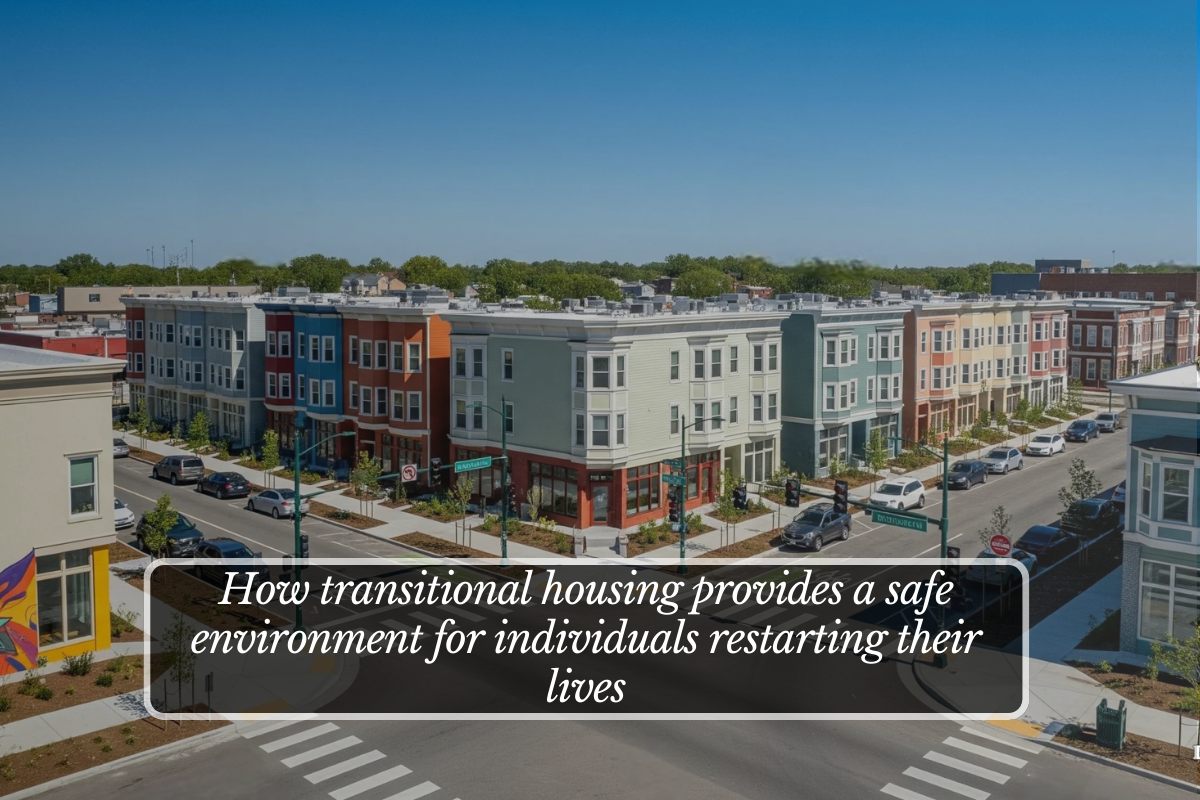
Transitional housing provides temporary, supportive shelter with services like case management and job training, bridging the gap from homelessness to permanent stability for vulnerable families. By alleviating housing costs, it reduces trade-offs between rent and food, significantly lowering food insecurity and enabling focus on health, employment, and education. Studies show families in transitional programs experience halved shelter use and improved self-sufficiency, transforming lives amid crises.
Breaking the Cycle of Housing and Food Insecurity
Households facing food insecurity often endure housing instability, with transient hunger predicting evictions or overcrowding even after controlling for income. Transitional housing disrupts this by offering stable roofs and resources, allowing families to prioritize nutrition over survival trade-offs. Research from the Family Options Study reveals project-based transitional housing cuts food insecurity compared to usual care, freeing budgets for essentials.
Supporting Health and Family Well-Being
Stable housing in transitional programs reduces stress and domestic issues while boosting food access, leading to better child growth and parental mental health. Formerly homeless youth and families report less isolation and higher hope with integrated supports addressing food alongside shelter. Permanent pathways from transitional aid yield sustained improvements, unlike short-term options that fade over time.
Economic Empowerment and Long-Term Gains
By covering housing temporarily, programs enable income growth—each $100 monthly rise cuts food insecurity odds by 8%—positioning residents for jobs and independence. Unlike rapid re-housing, transitional models with services foster skills, reducing reliance on shelters by over half at 20-37 months. This stability ripples to communities, easing pressures on food banks and public services.
Challenges and Proven Solutions
Food insecurity persists in some supportive housing at triple national rates, demanding integrated nutrition aid beyond shelter. Effective transitional programs pair housing with SNAP uptake (over 80%), case management, and food referrals for comprehensive relief. Streamlined policies targeting women, immigrants, and high-need families maximize impact.
Key Benefits of Transitional Housing
FAQ
Q1: How does transitional housing reduce food insecurity?
It frees budgets from rent, preventing trade-offs and enabling nutritious purchases, with studies showing 6-10% drops.
Q2: Who benefits most from these programs?
Homeless families, women, youth, and high-need groups like those with mental illness see halved shelter use and stability.
Q3: What services make transitional housing effective?
Case management, job training, SNAP links, and nutrition support alongside temporary shelter.
Q4: Why transitional over permanent housing immediately?
It builds skills gradually, outperforming short-term aid for sustained food/housing security.