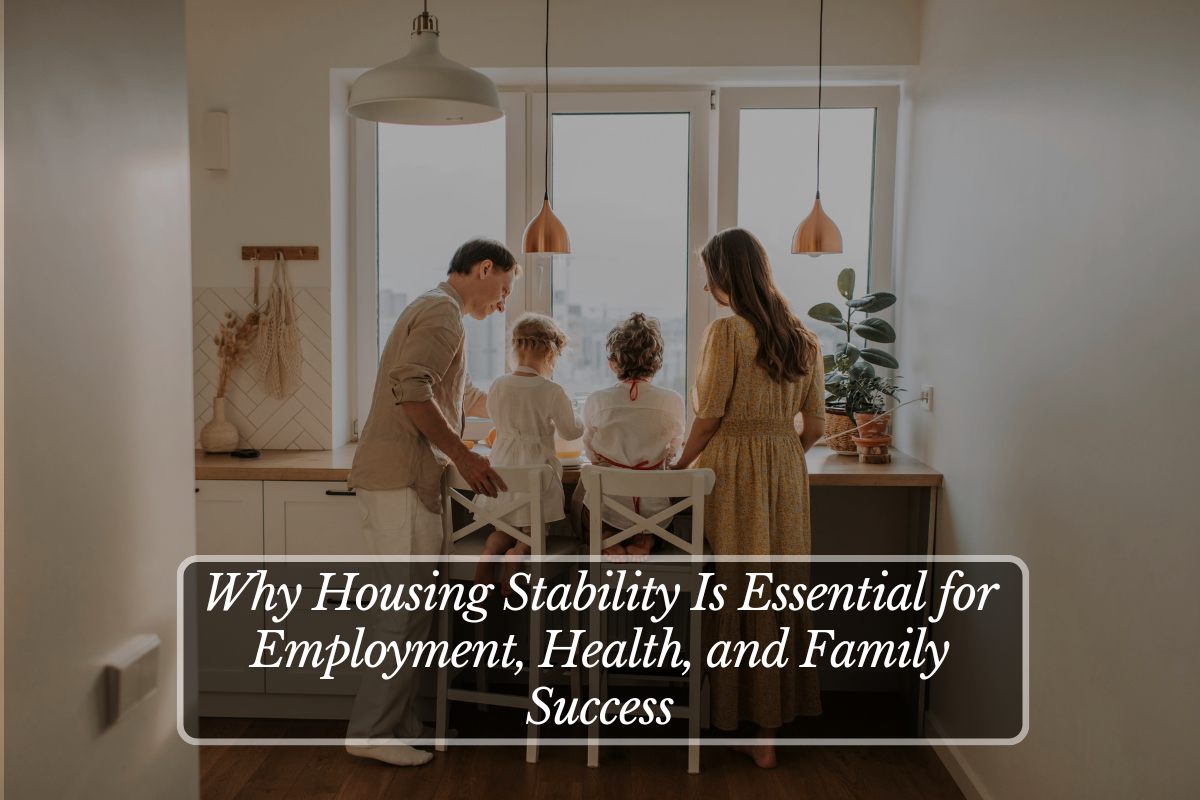
Housing stability—secure, affordable homes without eviction threats—affects 37 million U.S. households facing unaffordability, enabling job retention, better health, and child thriving per HUD and JAMA studies.
Programs like Housing First achieve 88% retention vs. 47% treatment-as-usual, cutting homelessness cycles while boosting employment 20-30% and child outcomes. Amid 653,000 nightly homeless, stability via vouchers reduces ER visits 30%, supports workforce entry, and fosters family cohesion.
Boosting Employment and Income Growth
Stable addresses enable job applications—homelessness doubles quit rates to 40% vs. 28% housed, per Pursuit research; Housing First cuts time-to-housing from 223 to 35 days, aiding retention. HUD’s Family Options Study shows long-term subsidies yield employment gains; insecure mothers face unstable shifts, lacking flexibility. Vouchers correlate with 10-15% income rises via reliable commutes and interviews.
Improving Physical and Mental Health
Stability prevents chronic stress linked to hypertension, depression; MTO movers to low-poverty areas cut obesity 15%, ER use via security. Housing First sustains 66-90% tenancy, reducing substance issues 41%; instability spikes child health costs billions. Rental aid lowers instability odds, enhancing autonomy and access.
Enhancing Family and Child Development
Predictable homes boost school attendance—frequent moves raise absenteeism, lower scores; stable kids attend college more, earn higher. Evictions harm infant health, development; affordable housing cuts maltreatment via reduced parental stress. MTO youth from stable neighborhoods avoid single parenthood, build assets.
Economic and Community Ripple Effects
Stable families build wealth, cohesion; CoCs track 96% permanent retention via performance measures. Prevention averts 2M evictions yearly, saving billions.
Challenges and Policy Solutions
Waitlists, costs? Expand vouchers, zoning reforms; pair with services for equity.
Future Directions
HUD’s PRO Housing, trust funds scale stability for 2030 goals.
FAQs
1. How does stability aid employment?
Reliable address/interviews; cuts quits 40%→28%, +20% retention via Housing First.
2. Health gains from stable housing?
-30% ER, less depression/obesity; stress reduction per JAMA.
3. Child benefits?
Better attendance, college odds; avoids developmental harms from moves.
4. Housing First success rates?
88% housed at 5 years vs. 47%; 41% stability boost.
5. Access programs?
HUD vouchers, 211, CoCs; prioritize vulnerables despite 2-year waits.