Housing support programs break poverty cycles by providing stable shelter, case management, financial aid, and skill-building, enabling families to secure jobs, reunite, and achieve self-sufficiency.
Success stories show rapid transitions from shelters to permanent homes, with participants saving for emergencies, repairing credit, and pursuing education. These interventions restore dignity, reduce recidivism, and foster long-term resilience through personalized guidance.
Immediate Stability and Family Reunions
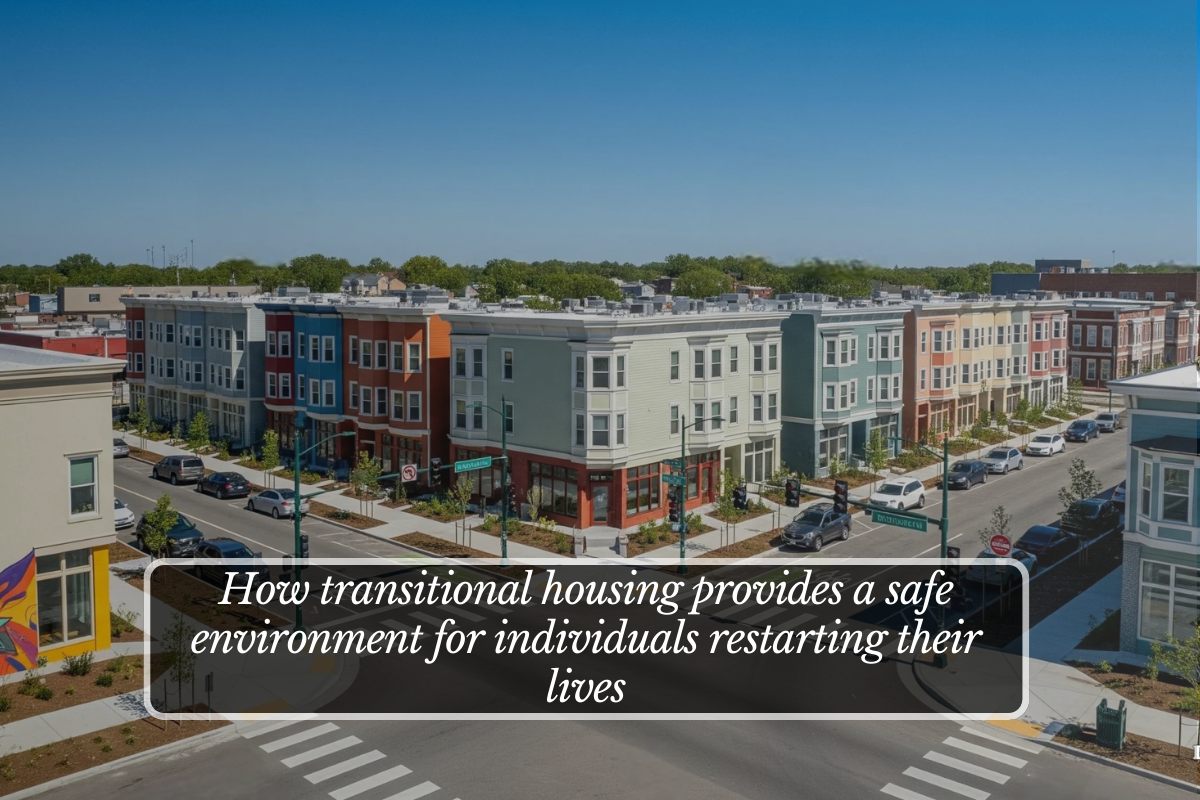
Support begins with shelter and rapid housing placement, as Michael achieved permanent housing since 2002, reuniting with his daughter after homelessness. Yvonne secured two jobs and family unity in five months via IDs and vouchers, while Dayja moved from motels to a peaceful home in three weeks with move-in aid. These quick wins prevent separation and build foundational security.
Economic Empowerment and Skill Development
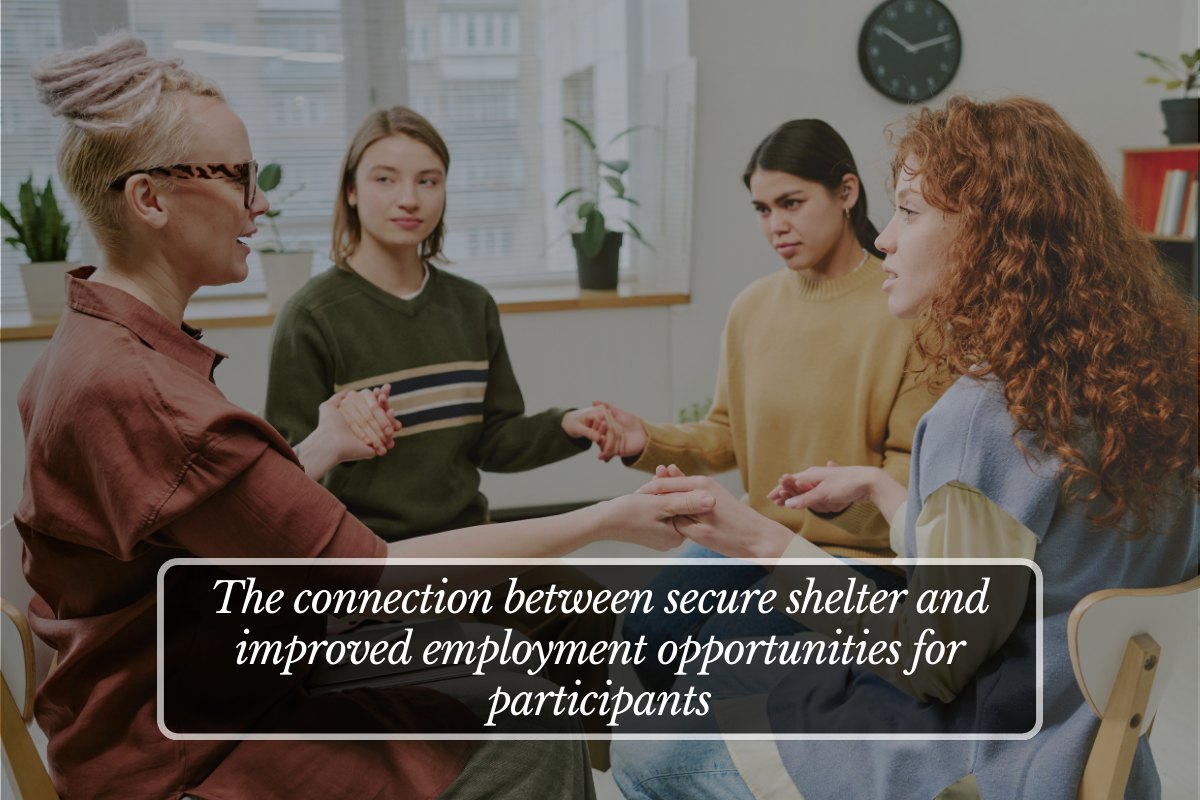
Case managers assist with budgeting, credit repair, and employment, transforming lives like Cheneta’s, who saved $1,000 toward homeownership through matched savings. Amanda and her partner gained jobs, licenses, and an apartment after shelter goals and childcare coordination. Miracle earned her GED and enrolled in college with mentorship, while Angelo saved for a home post-shelter.
Health, Education, and Long-Term Goals
Programs address mental health and recovery, as Heidi budgeting post-shelter gave her children stability and pride in independence. Leana saved for homeownership after eviction, gaining financial confidence. Yasmine’s family repaired credit and relocated safely, with kids thriving in afterschool clubs. Ongoing advocacy ensures retention, like Kathleen’s job transitions without homelessness.
Community and Giving Back
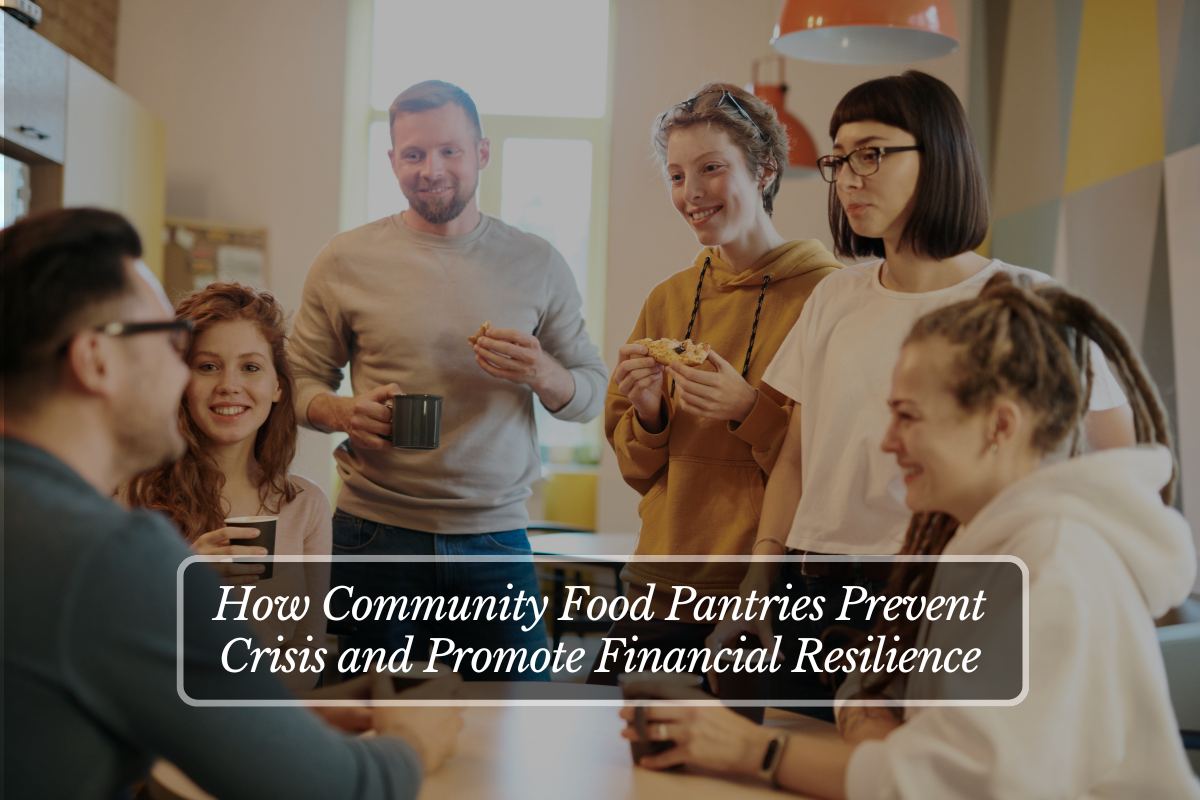
Former clients volunteer and advocate, as Kyana plans to help others after stabilizing her four children. Sheryl reconnected with family via quick housing and advises resource-seeking. These cycles of support create ripple effects, reducing shelter reliance community-wide.
Key Rebuilding Elements
FAQ
Q1: How quickly can housing support lead to stability?
Often in weeks, like Dayja’s three-week motel-to-home transition with move-in fees.
Q2: What financial tools break poverty cycles?
Budgeting classes, credit repair, savings matches enabling $1,000+ emergencies.
Q3: How does support aid families with children?
Childcare coordination, school enrollment, and safe housing prevent separation.
Q4: Why is case management crucial for rebuilding?
It connects to jobs, counseling, and housing, as in Michael’s 20+ year stability.