Personalized instruction revolutionizes education by tailoring lessons to individual needs, effectively closing learning gaps through targeted support, adaptive strategies, and consistent progress monitoring.
Unlike uniform classroom teaching, one-on-one tutoring identifies specific weaknesses, revisits foundational concepts, and accelerates mastery, leading to deeper understanding and long-term academic success. High-dosage models deliver frequent sessions that bridge disparities, boosting confidence and performance across subjects.
Identifying and Targeting Specific Gaps
Tutors use diagnostic assessments to pinpoint skill deficiencies, creating customized plans that address root causes rather than symptoms.
This approach revisits missed foundational knowledge—like basic math principles or reading comprehension—preventing cumulative gaps that compound over time. Students receive focused practice on weak areas while reinforcing strengths, ensuring balanced progress without overwhelming pace mismatches.
Adaptive Teaching for Diverse Learners
Personalized sessions adapt to visual, auditory, or kinesthetic styles, employing diagrams, hands-on activities, or discussions as needed. Online platforms enhance flexibility, allowing real-time adjustments and varied methods to suit schedules and preferences. Tutors act as executive coaches, teaching organization, time management, and strategic planning alongside content mastery.
Building Confidence and Momentum
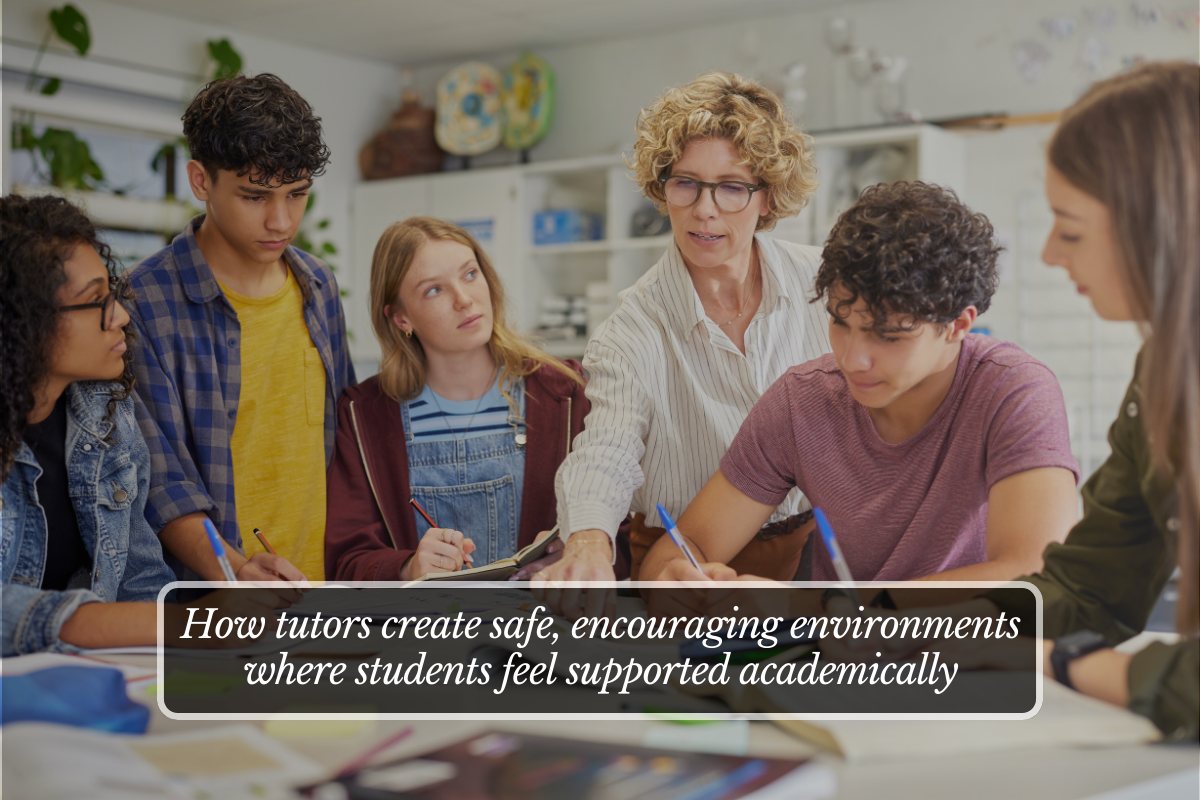
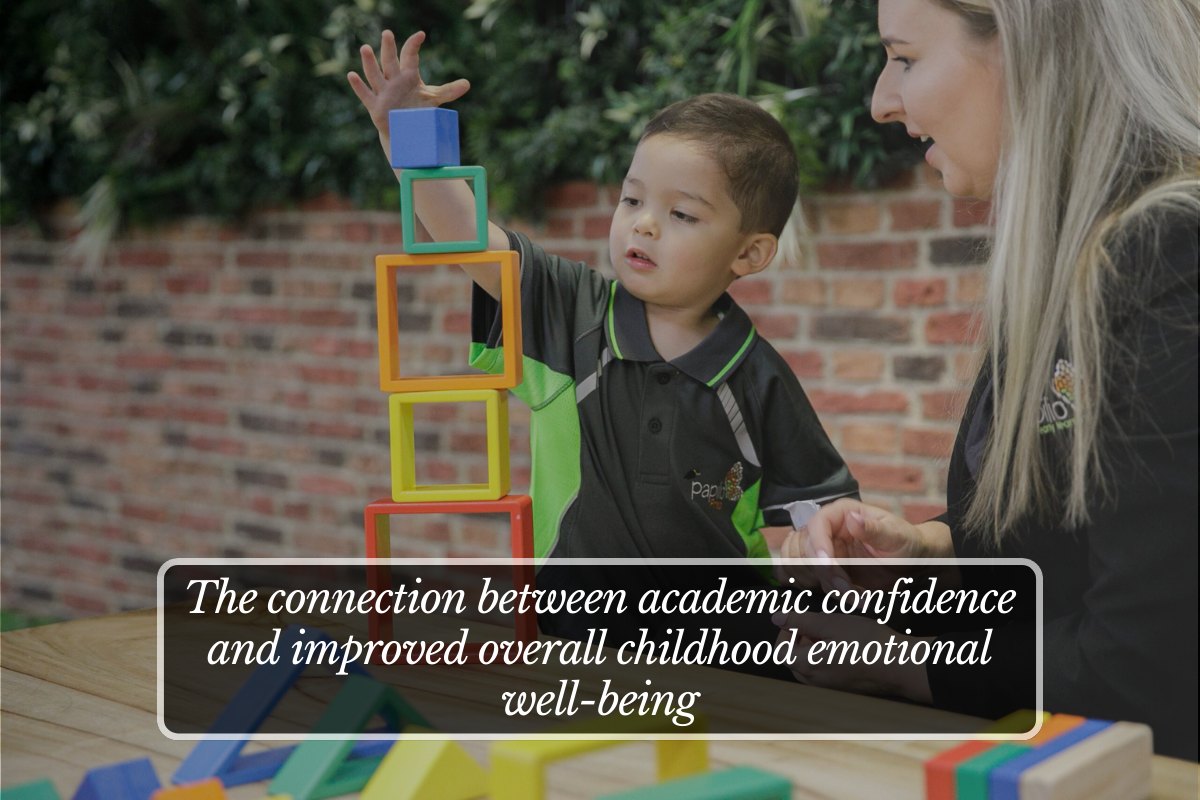
Safe, judgment-free environments encourage questions and risk-taking, transforming frustration into empowerment. As gaps close, students experience quick wins, fostering motivation and a growth mindset that sustains independent learning. High schoolers particularly benefit, with improved test scores and study habits reducing dropout risks.
Long-Term Academic and Skill Gains
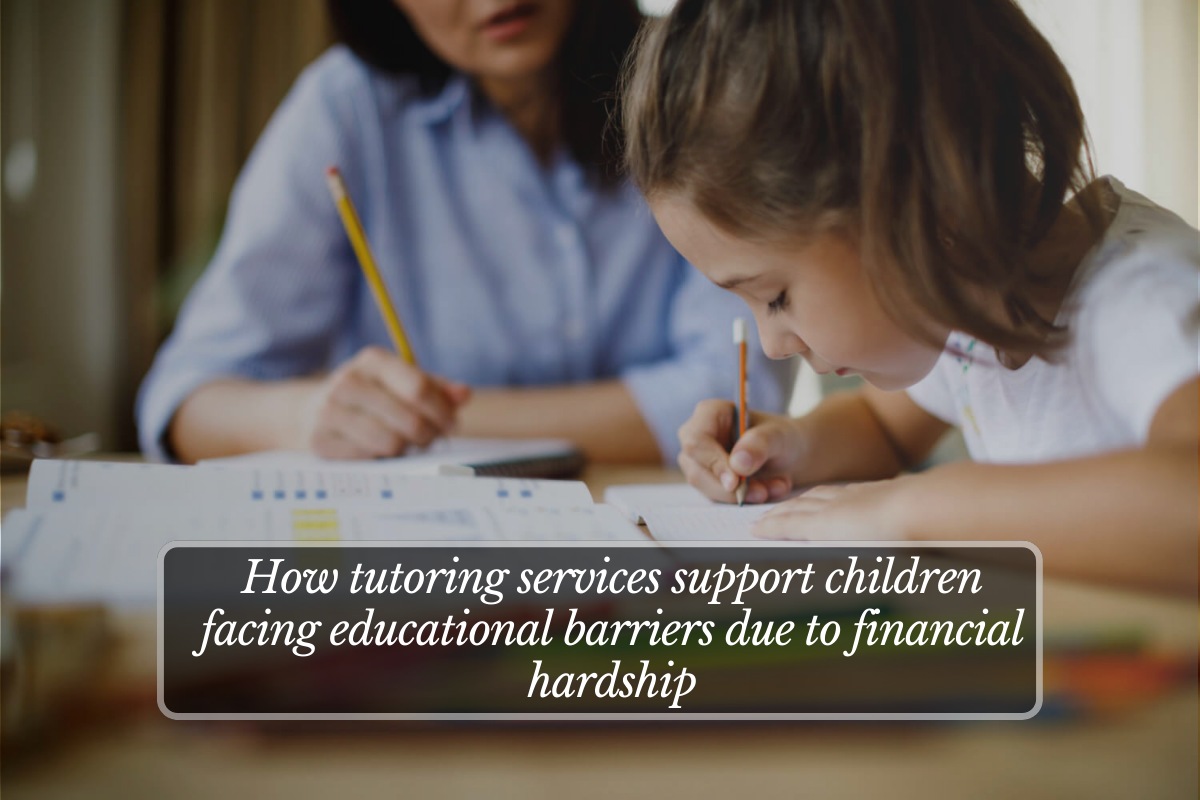
Beyond immediate fixes, personalized instruction develops critical thinking, retention, and self-directed habits for lifelong success. Experimental evidence confirms online variants close gaps effectively for disadvantaged students, outperforming standard interventions. Programs emphasize exam prep and foundational strengthening, yielding higher grades and engagement.
Key Strategies for Gap Closure
FAQ
Q1: How does personalized instruction identify learning gaps?
Through initial diagnostics and ongoing assessments targeting specific skill weaknesses.
Q2: Why is revisiting foundations crucial?
It prevents cumulative issues where new concepts build on misunderstood basics.
Q3: Can online tutoring close gaps effectively?
Yes, experimental studies show strong results for disadvantaged students via adaptive platforms.
Q4: What long-term skills do students gain?
Study habits, critical thinking, and self-direction beyond content mastery.