One-on-one tutoring in the United States delivers personalized instruction that accelerates foundational literacy and math proficiency, particularly for struggling K-12 students, with high-dosage models yielding gains equivalent to one to two years of learning.
In 2025, amid persistent post-pandemic recovery challenges where 30% of 8th graders remain below basic math proficiency, these sessions target individual gaps, boosting test scores by 20 percentile points and GPAs by 0.58 points. By adapting to each learner’s pace, tutoring fosters mastery of core skills like phonics, fluency, and arithmetic, setting students on paths to long-term academic success.
The Power of Personalized Instruction
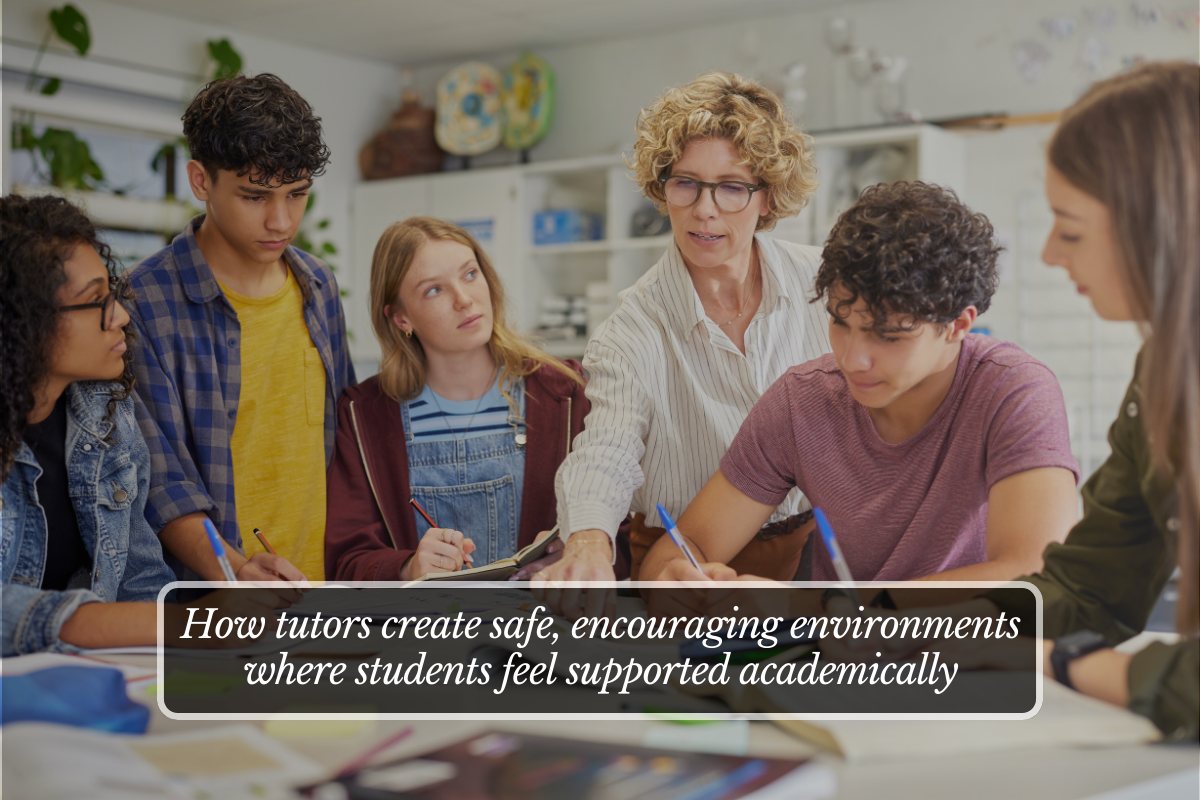
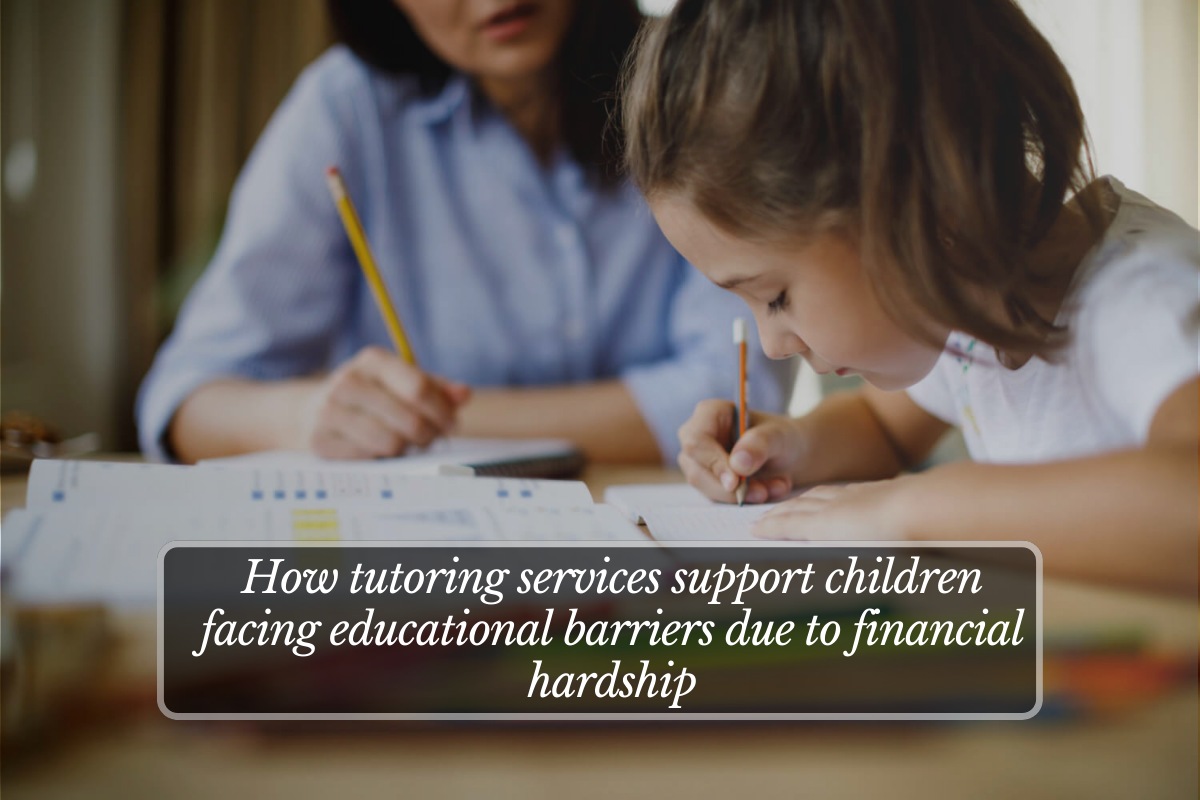
Unlike classroom settings with wide achievement gaps, one-on-one tutoring tailors lessons to a student’s exact needs, reviewing basics before advancing. Tutors diagnose weaknesses—such as decoding in reading or fractions in math—and provide immediate feedback, leading to faster progress and reduced frustration.
High-impact programs like Saga Education in Chicago assign daily hour-long sessions, splitting time between foundational drills and grade-level work, resulting in 50% higher math pass rates. This approach aligns with curricula while filling holes, as seen in programs where students gain half a year’s math learning or 40% reading proficiency growth.
Building Literacy Foundations
Foundational literacy thrives under individualized attention, where tutors emphasize phonemic awareness, vocabulary, and comprehension through repeated practice. Virtual and in-person models boost reading by 7 percentile points with full dosage, helping low performers close gaps from pandemic losses of 6-7 points.
For early elementary students, scalable tutoring targets young readers, improving fluency and reducing stigma via universal access. Stories like Sarah’s, who overcame algebra struggles through patient guidance, illustrate how literacy tutoring rebuilds enthusiasm, turning dread into proficiency.
Strengthening Math Proficiency
Math tutoring excels by scaffolding core skills like times tables and problem-solving, with four minutes daily practice yielding cumulative gains. High-dosage interventions raise 9th-10th grade scores by over 20 percentiles, especially for at-risk youth, while attendance improves by 7%.
Districts using on-demand math tutoring see higher i-Ready scores, with consistent sessions proving 20 times more effective than standard models. In homeschool and public settings, tutors adapt to styles, ensuring retention beyond tests.
Boosting Confidence and Motivation
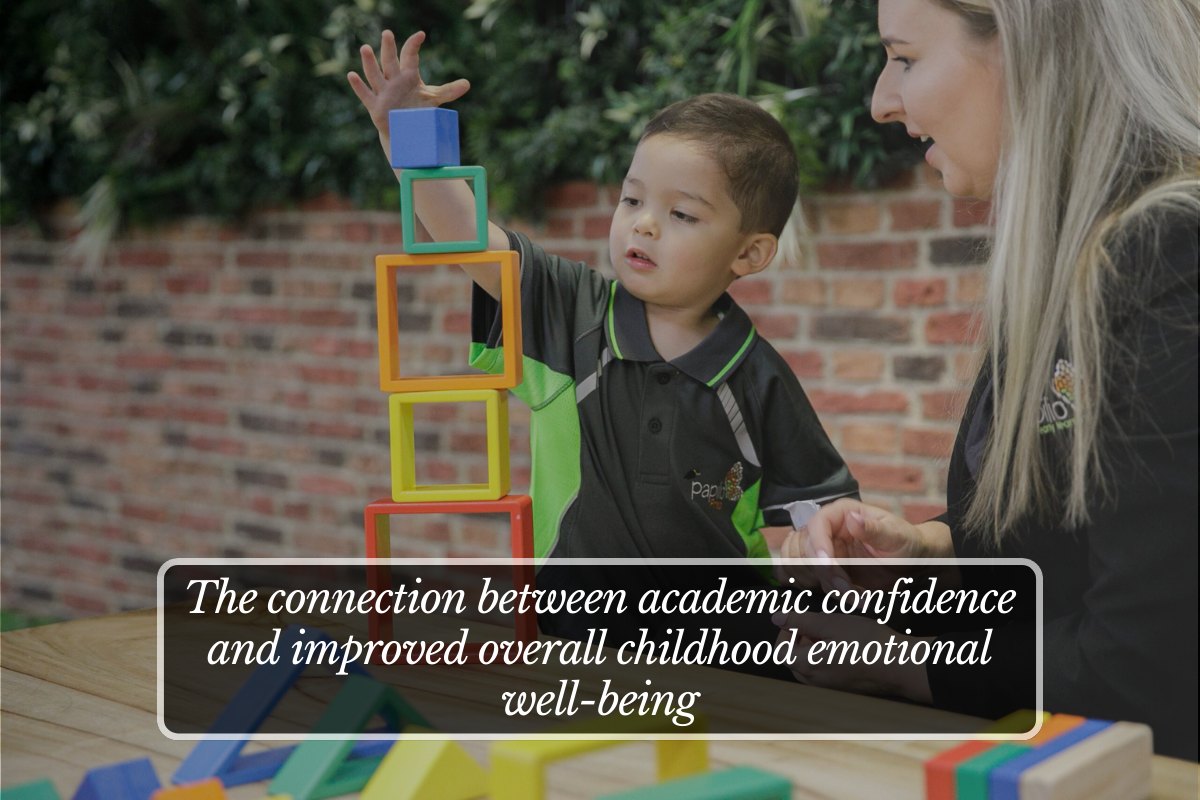
Tutoring transforms mindsets by celebrating progress, with undivided attention fostering resilience and positive attitudes toward learning. Students report higher self-esteem as small victories accumulate, spilling into broader academics and emotional growth.
Programs like GROW High-Impact Tutoring achieve 4.5x proficiency boosts in 12 weeks without extra staff, enhancing equity for underserved groups. This confidence cycle motivates practice, reducing dropout risks for behind-grade-level learners.
Measuring Success and Scaling Impact
In 2025, 85% of public schools offer tutoring, though only 2% provide high-quality versions, underscoring dosage and consistency as keys to outcomes like improved NAEP scores. Randomized trials confirm effects grow with attendance—half sessions yield gains, full ones accelerate recovery.
Districts track pre-post assessments, with 42% implementing high-dosage models during school hours for equity. Expansion via ESSER funds and platforms like Paper serves millions, proving scalability.
Real-World Success Stories
Sarah aced algebra after tailored sessions, pursuing math careers with renewed passion. Prairie Hills District saw 4th-5th graders’ ELA proficiency soar 4.5x via GROW tutoring. Chicago’s Saga participants, facing barriers, gained years of math learning and higher GPAs. These cases highlight tutoring’s role in empowerment.
One-on-one tutoring equips U.S. students with robust literacy and math foundations through customization, yielding measurable gains in proficiency, confidence, and equity. As learning losses linger, prioritizing high-dosage models remains essential for academic recovery and future readiness.
Frequently Asked Questions (FAQs)
1. What makes high-dosage one-on-one tutoring effective?
Frequent, personalized sessions—at least three weekly—target gaps with feedback, delivering 1-2 years’ gains versus standard models.
2. How does tutoring improve literacy skills specifically?
It focuses on phonics, fluency, and comprehension via adaptive practice, boosting scores by 7-40 percentiles.
3. Can one-on-one tutoring help with math fact mastery?
Yes, daily drills on basics like times tables build cumulative skills, raising pass rates by 50%.
4. Does tutoring attendance matter for results?
Absolutely—full dosage yields larger effects; half sessions still grow achievement proportionally.
5. Who benefits most from personalized tutoring?
Struggling K-12 students, especially low-income or post-pandemic laggards, see 20+ percentile jumps in math and reading.