How Education Programs Break the Cycle of Poverty

How Education Programs Break the Cycle of Poverty

Education programs disrupt poverty cycles by equipping individuals with skills, boosting earnings, and fostering economic mobility, with each additional year of schooling increasing income by about 10%. Universal secondary completion could lift 420 million people globally from poverty, halving rates …


Read more

Community Partnerships That Make Affordable Housing Possible

Community Partnerships That Make Affordable Housing Possible

Community partnerships unite governments, nonprofits, colleges, developers, and residents to pool resources, land, and expertise, creating affordable housing where market forces fall short. These collaborations overcome funding gaps, zoning barriers, and high costs through shared vouchers, trust funds, and land …

Read more

How Community Donations Keep Food Programs Thriving

How Community Donations Keep Food Programs Thriving

Community donations are the lifeblood of food programs, enabling local food banks and pantries to provide millions of meals annually to families facing hunger. Each dollar donated translates efficiently into multiple meals, thanks to effective food sourcing, partnerships with retailers, …

Read more

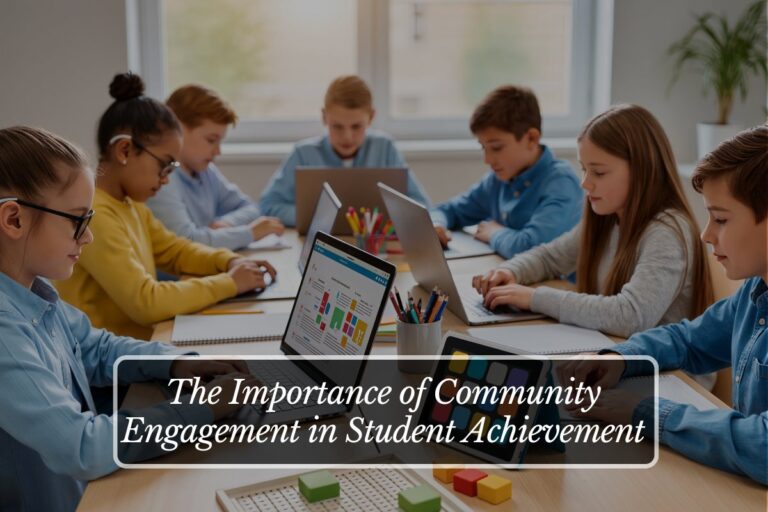
The Importance of Community Engagement in Student Achievement

The Importance of Community Engagement in Student Achievement

Community engagement significantly boosts student achievement by fostering family involvement, reducing absenteeism, and creating supportive networks that enhance academic performance and equity. Schools with strong community ties see higher grades, lower suspension rates, and improved test scores, particularly among underserved …

Read more

The Role of Supportive Housing in Preventing Homelessness

The Role of Supportive Housing in Preventing Homelessness

Supportive housing plays a crucial role in preventing homelessness by combining stable, long-term housing with comprehensive services like healthcare, case management, and employment support. The “Housing First” model, which provides housing without preconditions, has proved significantly more effective in reducing …

Read more

The Hidden Reality of Food Insecurity in Our Neighborhoods

The Hidden Reality of Food Insecurity in Our Neighborhoods

Food insecurity remains a widespread and often unseen crisis affecting millions of households across the United States. In 2023, about 13.5% of U.S. households—nearly 18 million—experienced food insecurity at some point, marking a significant increase from the previous year. Many …

Read more

Why Early Academic Intervention Matters More Than Ever

Why Early Academic Intervention Matters More Than Ever

Early academic intervention delivers lasting cognitive, social, and schooling benefits by addressing developmental gaps before they compound, particularly for disadvantaged children. Programs like high-quality preschool yield meaningful long-term gains when paired with sustained K-12 support, offsetting poverty’s impacts on learning …

Read more

How Stable Housing Improves Mental and Physical Health

How Stable Housing Improves Mental and Physical Health

Stable housing significantly enhances mental and physical health by reducing stress from financial burdens, frequent moves, and unsafe environments, while limiting exposure to toxins and enabling better healthcare access. Research shows it lowers emergency room visits, chronic illnesses, and psychological …

Read more

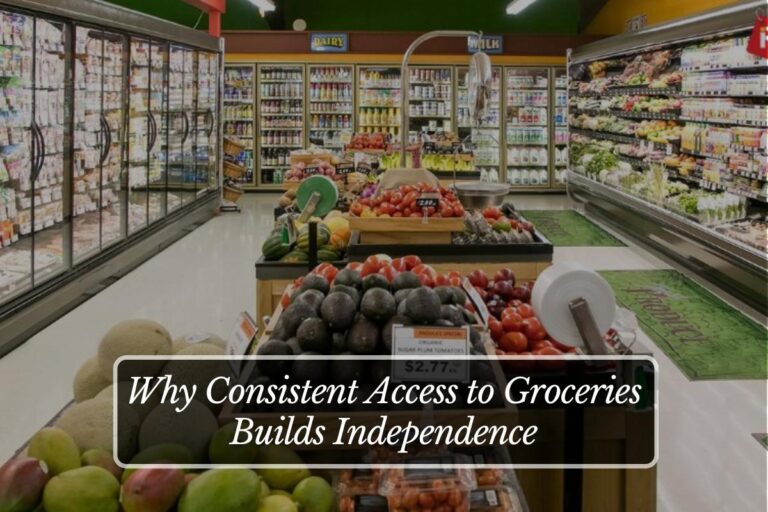
Why Consistent Access to Groceries Builds Independence

Why Consistent Access to Groceries Builds Independence

Consistent access to groceries plays a crucial role in building independence for individuals and families, especially those facing food insecurity. Reliable access to affordable, nutritious food enables healthier eating habits, greater financial stability, and improved mental well-being, all of which …

Read more