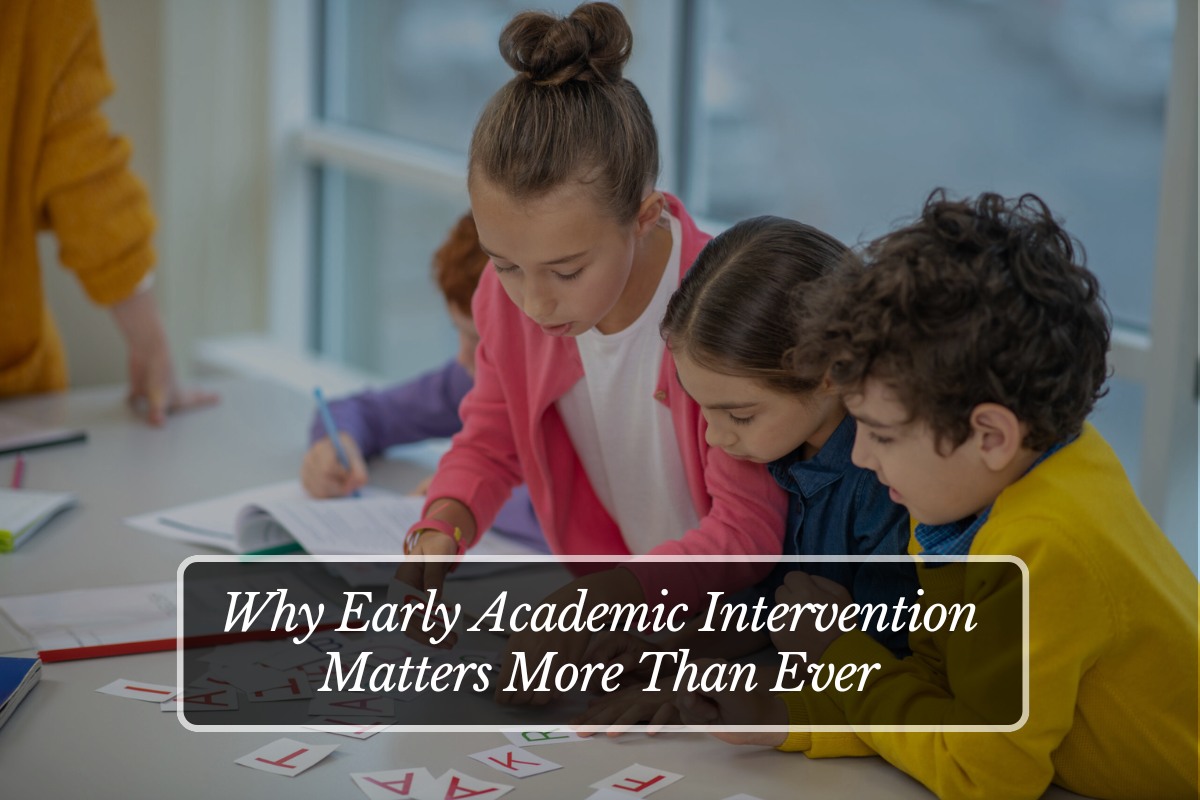
Early academic intervention delivers lasting cognitive, social, and schooling benefits by addressing developmental gaps before they compound, particularly for disadvantaged children.
Programs like high-quality preschool yield meaningful long-term gains when paired with sustained K-12 support, offsetting poverty’s impacts on learning trajectories. Amid rising learning loss from disruptions, timely interventions prevent dropout risks and maximize human capital returns.
Closing Foundational Skill Gaps
Interventions targeting ages 3-7 produce cognitive gains equivalent to months of additional schooling, with center-based programs showing moderate effects on readiness despite variability.
AI-driven models predict at-risk students mid-course with 85% accuracy, enabling 90%+ final exam success through targeted support. Early reading and math remediation prevents cumulative deficits, as foundational weaknesses hinder later mastery.
Long-Term Educational and Economic Returns
Complementarities between preschool and K-12 funding amplify outcomes—Head Start effects grow with quality subsequent schooling, boosting attainment. Each intervention year correlates with higher graduation and earnings, with broad programs yielding persistent social-emotional benefits. West Bengal’s pre-primary expansion increased enrollment 669% but highlighted infrastructure needs for learning gains.
Equity for Vulnerable Populations
Early support disproportionately benefits low-income, minority, and special-needs children, reducing stunting and improving trajectories where home environments fall short. Special education interventions enhance cognitive and emotional development, narrowing disparities before kindergarten entry. Post-pandemic data underscore urgency, as learning poverty affects 70% globally without swift action.
Challenges and Optimization Strategies
Not all programs succeed equally—poor infrastructure limits impacts, as seen in enrollment rises without score improvements. High-payoff features include trained staff, small ratios, and follow-through supports; experimental designs clarify causal paths. Data-driven personalization maximizes ROI amid resource constraints.
Key Intervention Impacts
FAQ
Q1: What makes early intervention effective long-term?
Quality preschool plus K-12 supports create complementarities boosting attainment.
Q2: How accurate are AI tools for targeting help?
85% mid-course, 90% end-of-course predictions enable timely action.
Q3: Do all programs yield learning gains?
No; enrollment rises without infrastructure limit scores.
Q4: Who benefits most from early support?
Disadvantaged and special-needs children see outsized cognitive gains.