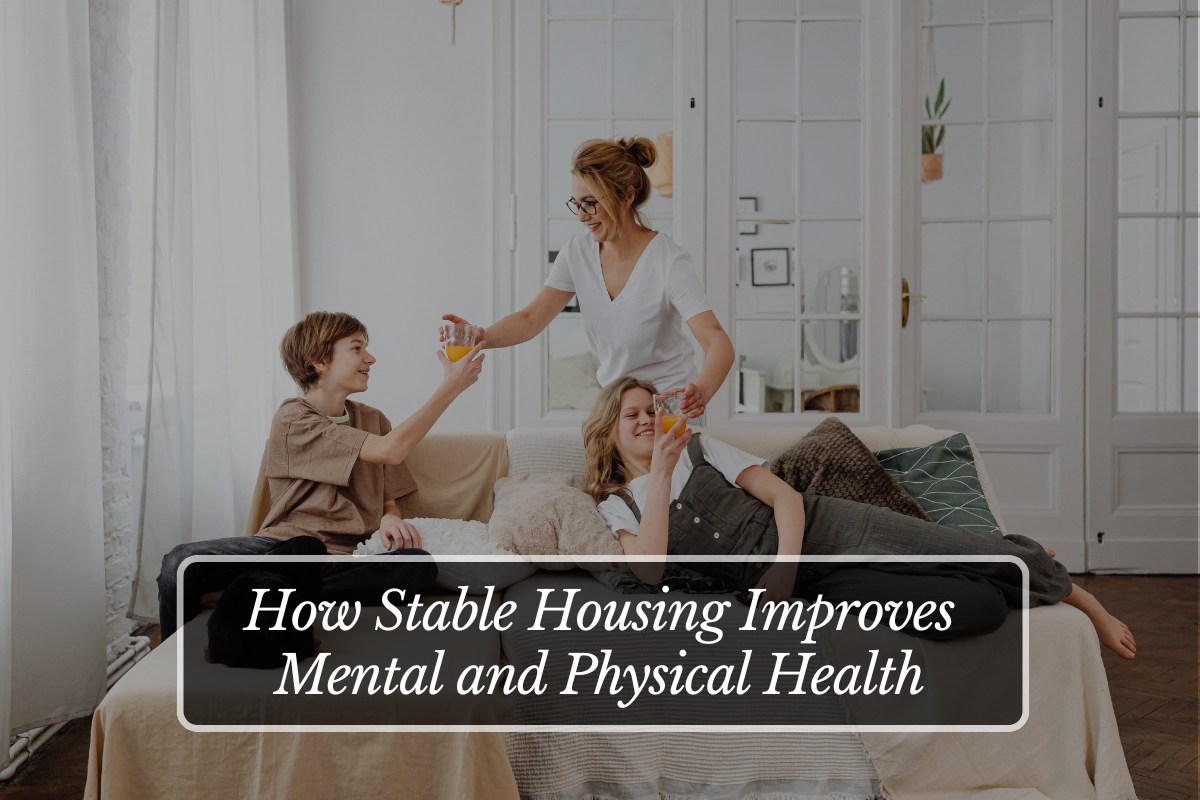
Stable housing significantly enhances mental and physical health by reducing stress from financial burdens, frequent moves, and unsafe environments, while limiting exposure to toxins and enabling better healthcare access.
Research shows it lowers emergency room visits, chronic illnesses, and psychological distress, with residents reporting improved overall well-being and treatment adherence for conditions like HIV/AIDS. These benefits arise from secure, affordable shelter that supports consistent nutrition, sleep, and medical routines.
Mental Health Improvements
Stable housing limits stressors like eviction fears or overcrowding, reducing anxiety, depression, and psychological distress. Studies link it to better mental health scores, with public housing associated with decreased distress and eviction moratoriums cutting anxiety symptoms, especially among Hispanic and Black groups. Independent living fosters control and escape from abuse, boosting self-rated well-being and community integration.
Physical Health Gains
Quality stable housing minimizes hazards like dampness, poor ventilation, and toxins, cutting respiratory issues and hospitalizations by up to 20%. It improves chronic illness management—HIV patients show better viral suppression and lower mortality—while freeing budgets for nutritious food and care. Renovations for ventilation and accessibility yield health gains exceeding costs, with children experiencing fewer acute issues.
Healthcare Access and Cost Savings
Reliable shelter enhances proximity to services, medication adherence, and preventive care, reducing uninsurance and unmet needs. Housing First models cut healthcare costs by $29,000 per person annually through fewer ER visits and better outcomes. Stable residents report stronger health-related behaviors and access, contrasting unstable housing’s links to obesity and developmental risks.
Broader Community Effects
Affordable stable housing supports child development, lowers chronic disease rates, and redirects spending from emergencies to wellness. It correlates with fewer severe issues like hypertension, promoting population health via reduced stress and secure environments.
Key Health Benefits
FAQ
Q1: How does stable housing reduce mental stress?
It eliminates financial/move-related burdens and abuse risks, lowering distress as seen in public housing studies.
Q2: What physical health risks does unstable housing pose?
Toxins, dampness lead to respiratory problems and higher chronic illness rates.
Q3: Does stable housing save healthcare costs?
Yes, by $29,000/person/year via fewer ER visits and better management in Housing First.
Q4: Who benefits most physically from stable housing?
Those with chronic conditions like HIV/AIDS see adherence and survival improvements.