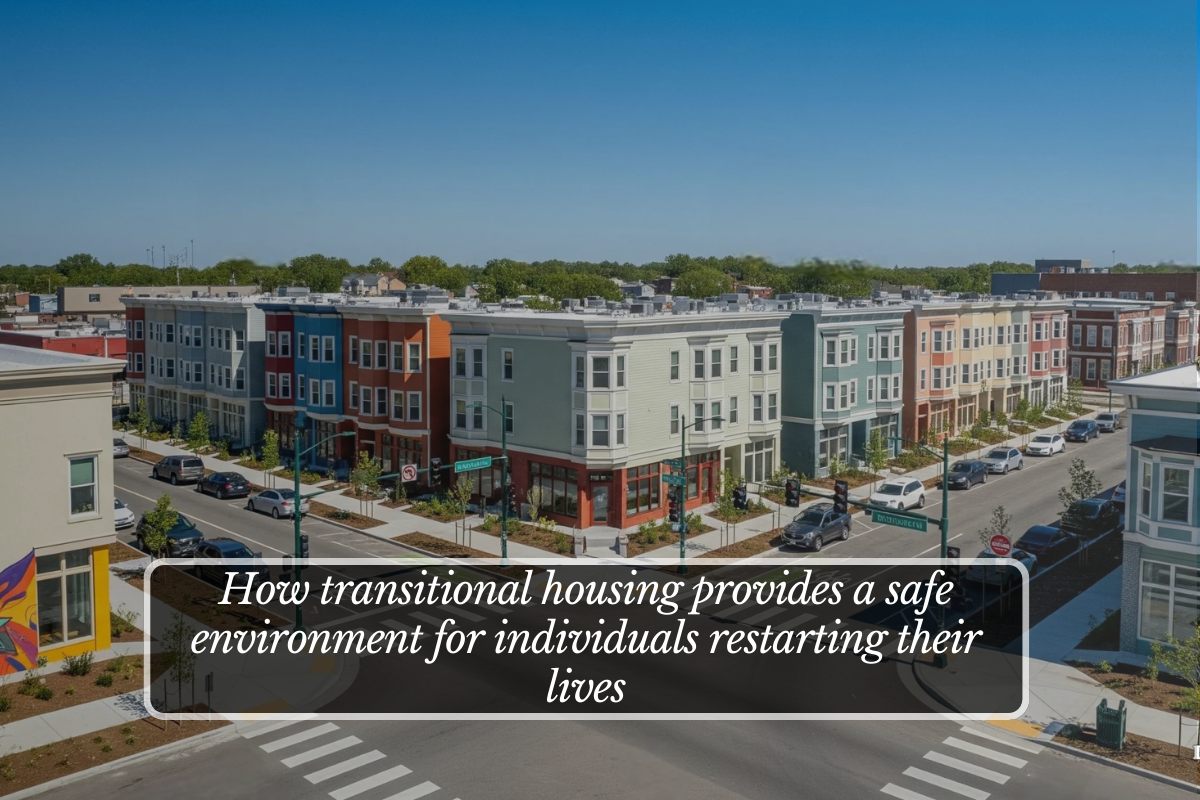
Community partnerships unite governments, nonprofits, colleges, developers, and residents to pool resources, land, and expertise, creating affordable housing where market forces fall short.
These collaborations overcome funding gaps, zoning barriers, and high costs through shared vouchers, trust funds, and land leases, delivering thousands of units. Examples from Chicago to Seattle show how joint efforts expand access in opportunity areas, boosting equity and economic vitality.
Public-Private Models and Redevelopment
Public-private partnerships (PPPs) redevelop sites into mixed-use projects with affordable units alongside commercial spaces, as seen in India’s PMAY schemes. Governments provide financing like BC Housing’s $4 million for Whistler’s 55-unit Chiyakmesh Building, partnered with local authorities. These models lower risks for developers while ensuring long-term affordability through subsidies and contracts.
Educational Institutions and Housing Authorities
Colleges partner with housing authorities to repurpose dorms or offer vouchers, reducing student homelessness and food insecurity while aiding foster youth. Philadelphia renovated college dorms for exiting foster care students; Long Beach City College leased land via the Housing Promise for joint funding. Boston’s home-share pilots connect seniors aging in place with student renters, improving town-gown ties.
Regional Coalitions and Trust Funds
Regional initiatives like Chicago’s Regional Housing Initiative pool vouchers across counties for opportunity areas, easing jobs-housing mismatches. ARCH in East King County manages a trust fund from 15 cities and King County, funding transit-oriented projects with shared applications. Denver’s TOD Fund, backed by city, state, and banks, provides loans for affordable units near transit.
Community Land Trusts and Nonprofits
Community Land Trusts (CLTs) hold land in perpetuity for affordable housing and gardens, partnering with governments and residents to prevent displacement. Nonprofits collaborate on services like food banks alongside housing, as in Melbourne’s Operation 305 uniting providers and investors. These ensure community control and sustained equity.
Key Partnership Examples
FAQ
Q1: How do college partnerships create affordable housing?
They repurpose dorms, lease land, or provide vouchers, reducing student homelessness as in Philadelphia and Long Beach.
Q2: What are regional housing initiatives?
Coalitions like Chicago’s pool vouchers for opportunity areas; ARCH funds transit projects across cities.
Q3: How do public-private partnerships work?
Governments finance alongside developers for mixed-use sites, ensuring affordability like Whistler’s 55 units.
Q4: Why use community land trusts?
They hold land forever for housing/gardens, partnering to prevent displacement and promote equity.