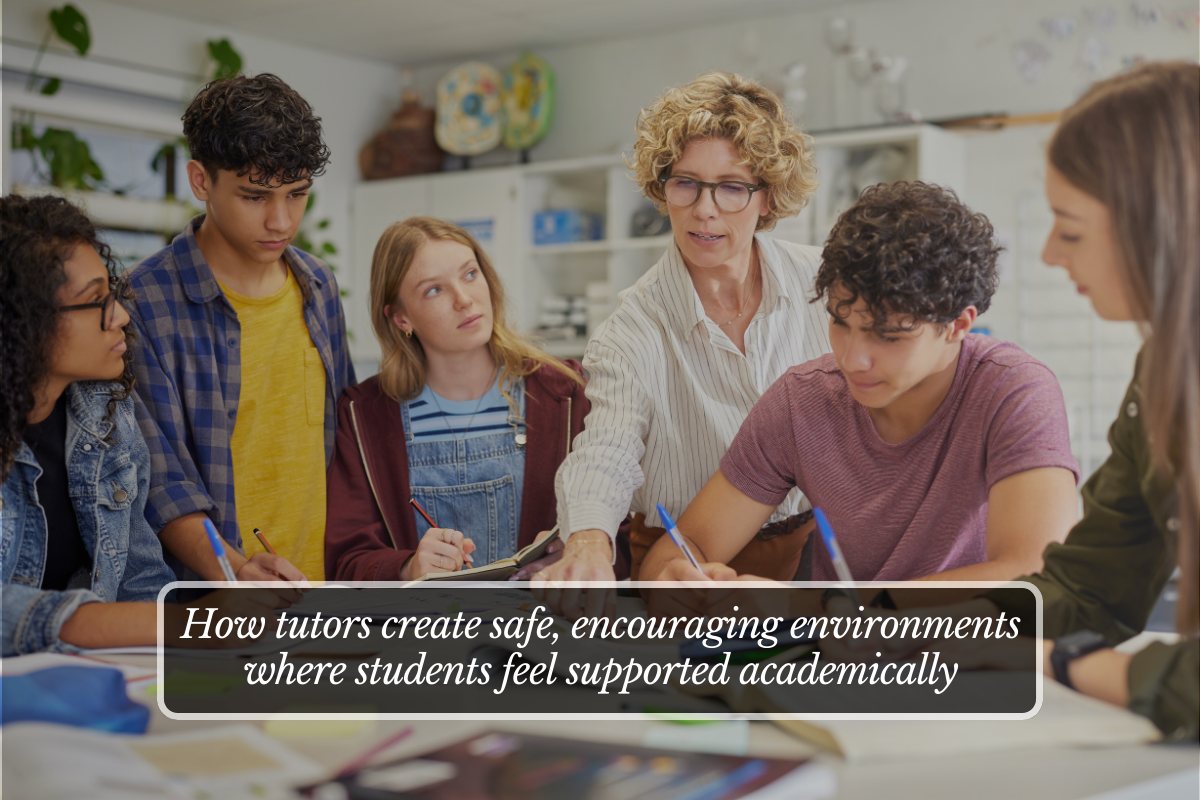
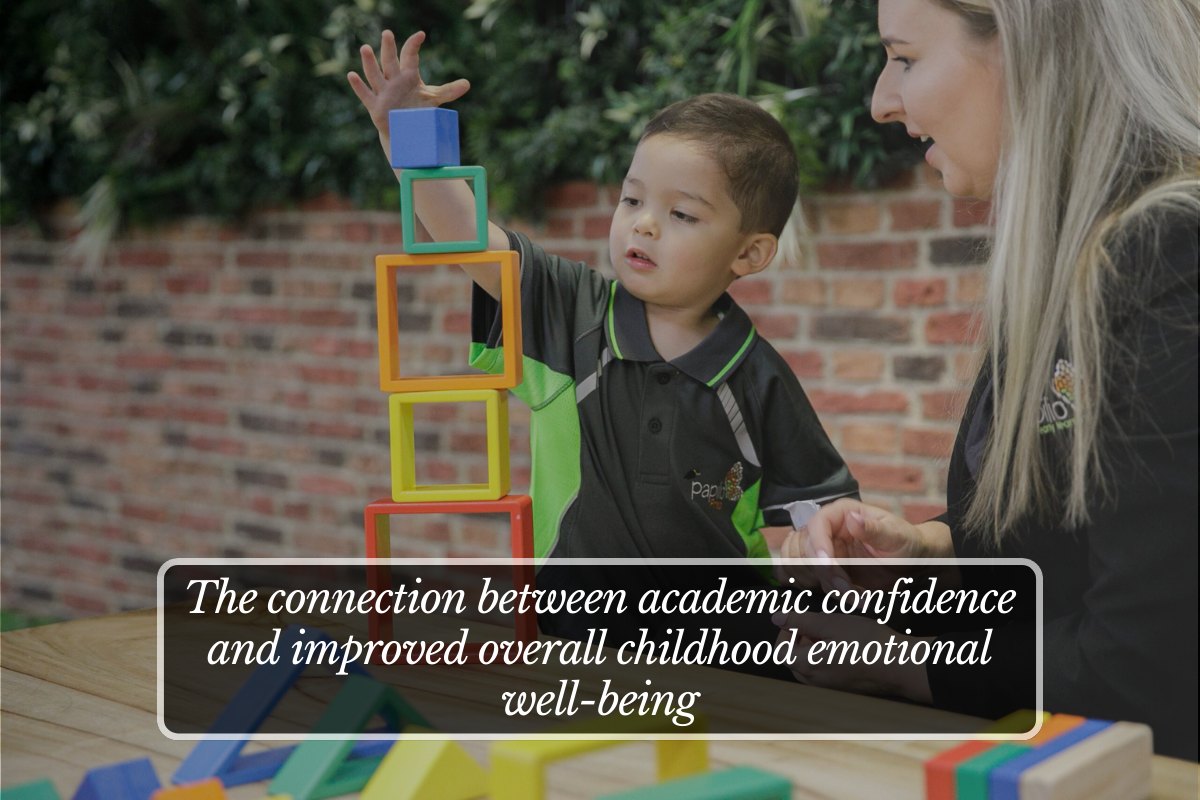
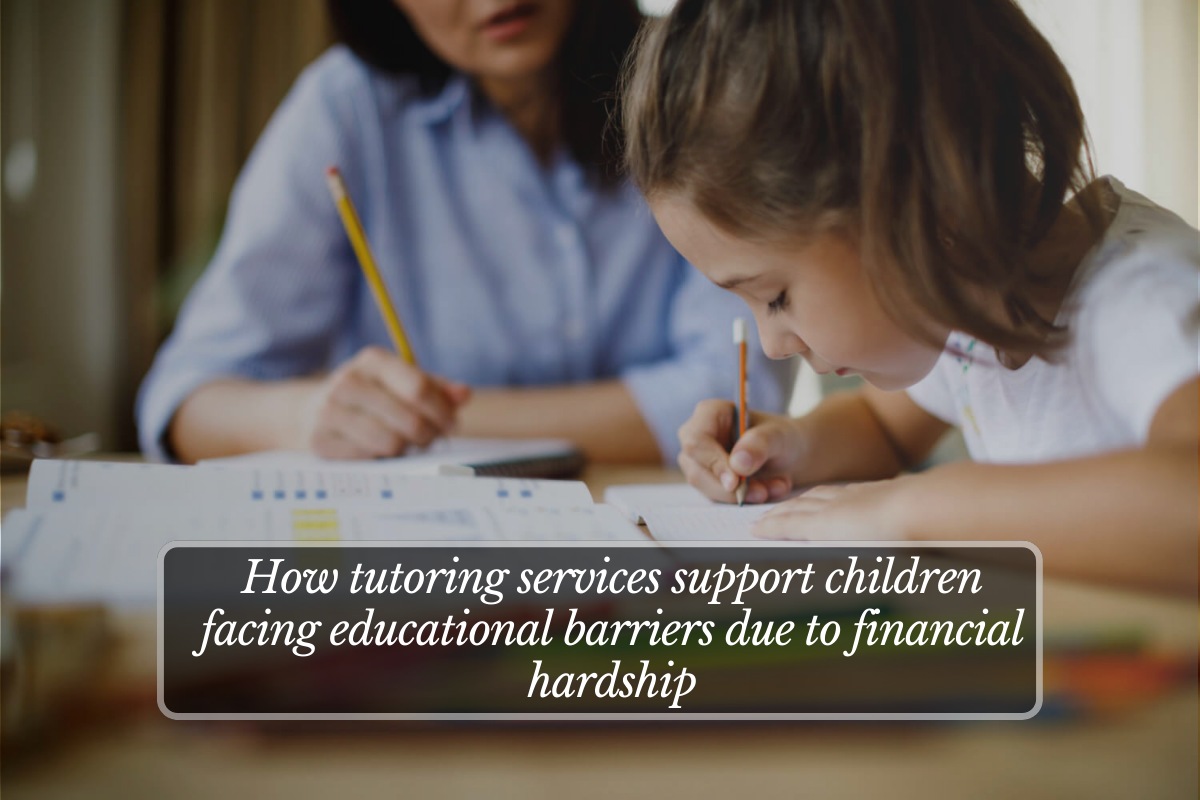
Tutoring centers operate as dynamic hubs where structured sessions deliver personalized academic support in reading, writing, and core skills, fostering student confidence and mastery through consistent routines and expert guidance.
Staff including certified tutors, administrative coordinators, and coaches manage daily operations from scheduling to progress tracking, ensuring high-impact learning in one-on-one or small-group formats. These centers emphasize high-dosage tutoring—frequent, focused sessions—that accelerates progress while building study habits and emotional resilience.
Daily Operations and Session Structure
Centers open with administrative tasks like scheduling via software, student check-ins, and material preparation, followed by tutoring blocks. Sessions follow a proven framework: 5-minute warm-ups build rapport and review prior material; 30-40 minutes of core instruction use “I Do, We Do, You Do” models for guided practice; wrap-ups include assessments, homework assignment, and goal-setting. High-dosage models deliver 20-60 minute sessions 3-5 times weekly, prioritizing consistency with the same tutor.
Tutor Training and Student Matching
New tutors undergo pre-service training on pedagogy, child development, and session management, followed by ongoing coaching from literacy specialists or directors.
Centers match students to tutors based on needs—reading for K-3rd graders via 1:1 interventions or writing groups for older elementary—ensuring targeted support like Reading Corps’ science-based literacy methods. Administrative staff handle billing, parent communication, and enrollment to maintain smooth operations.
Core Activities: Reading and Writing Focus
Reading sessions emphasize phonics, comprehension, and fluency through interactive activities, while writing builds structure via guided prompts and feedback. Small groups (1:4 ratio) or 1:1 formats incorporate practice problems, discussions, and digital tools for engagement. Progress tracking via assessments informs adjustments, with summer intensives providing extra hours—up to 2,000 by 8th grade in some models.
Support Services and Family Engagement
Beyond academics, centers offer family support like goal conversations and school counseling referrals. Marketing teams promote services, while IT ensures online platforms for hybrid sessions. Directors oversee quality, with routines fostering student ownership through homework reviews and confidence-building check-ins.
Key Center Components
FAQ
Q1: What does a typical tutoring session look like?
Warm-up review, guided instruction (“I Do, We Do, You Do”), assessment, and homework in 30-60 minutes.
Q2: How are tutors prepared for sessions?
Pre-service training plus ongoing coaching from specialists ensures effective, consistent delivery.
Q3: What subjects do centers prioritize?
Reading (phonics, comprehension) and writing through targeted 1:1 or small-group activities.
Q4: How do centers track student progress?
Assessments, goal conversations, and data from frequent high-dosage sessions guide adjustments.