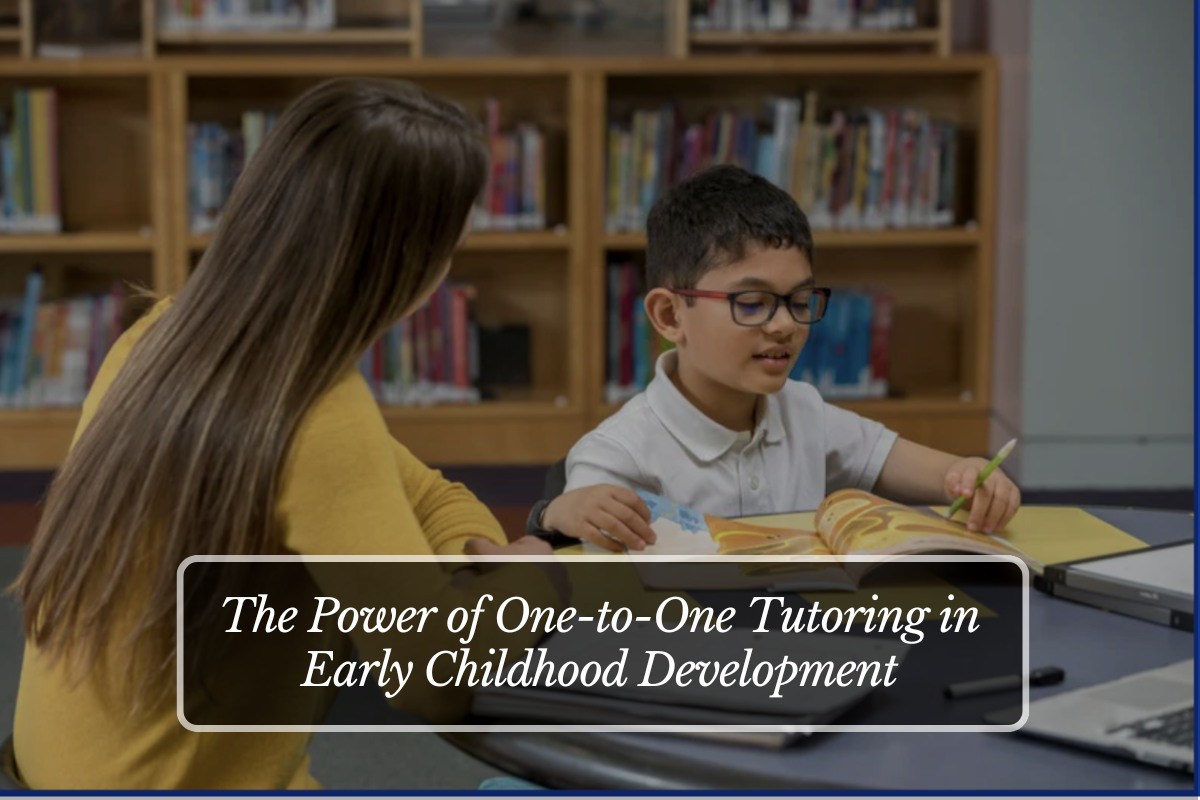
One-to-one tutoring plays a transformative role in early childhood development by providing personalized attention, tailored instruction, and emotional support that fosters academic and social growth. This focused tutoring model helps close learning gaps, improve confidence, build strong study habits, and cultivate resilience, leading to better long-term educational outcomes and self-esteem.
Personalized Learning Accelerates Progress
In one-on-one settings, tutors adapt teaching methods to each child’s unique learning style and pace, enabling faster mastery of concepts—up to 60% quicker than in group settings. Tutors can immediately address misconceptions, provide instant feedback, and experiment with diverse teaching strategies suited to the child’s cognitive needs. This personalized approach closes attainment gaps early, setting a foundation for consistent academic success.
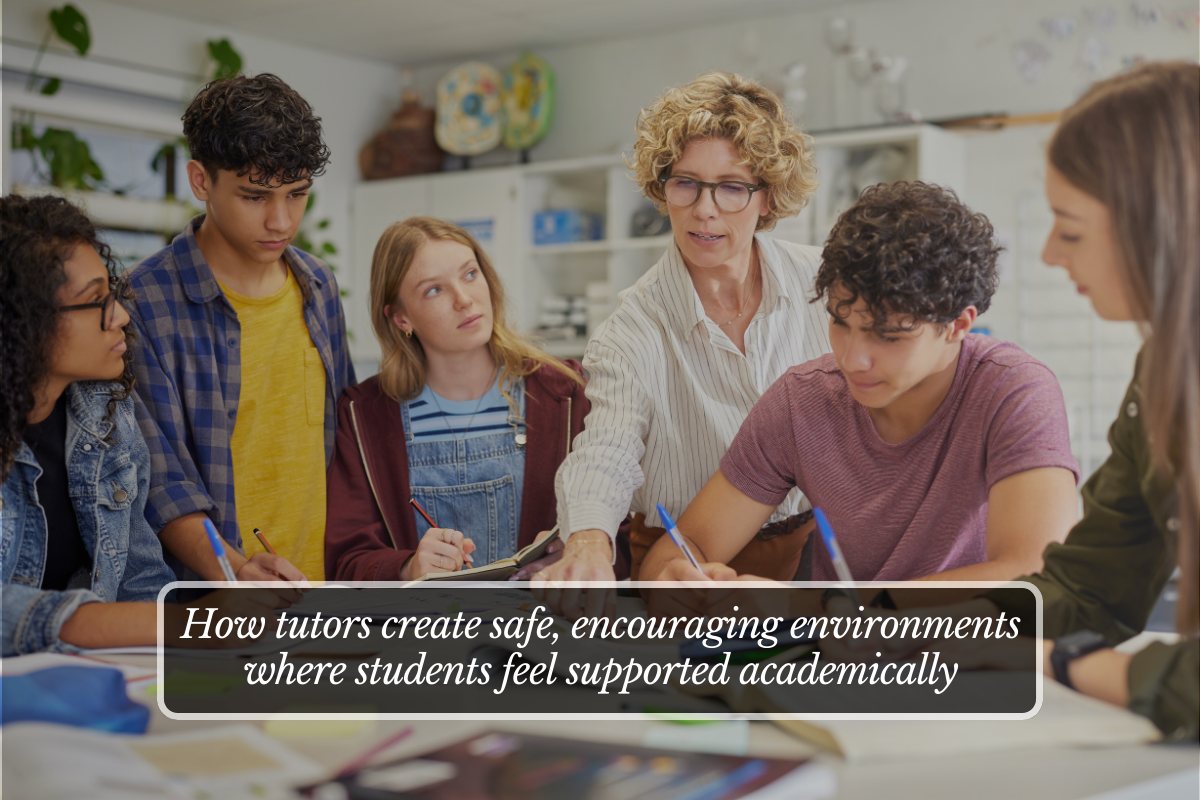
Safe and Supportive Learning Environment
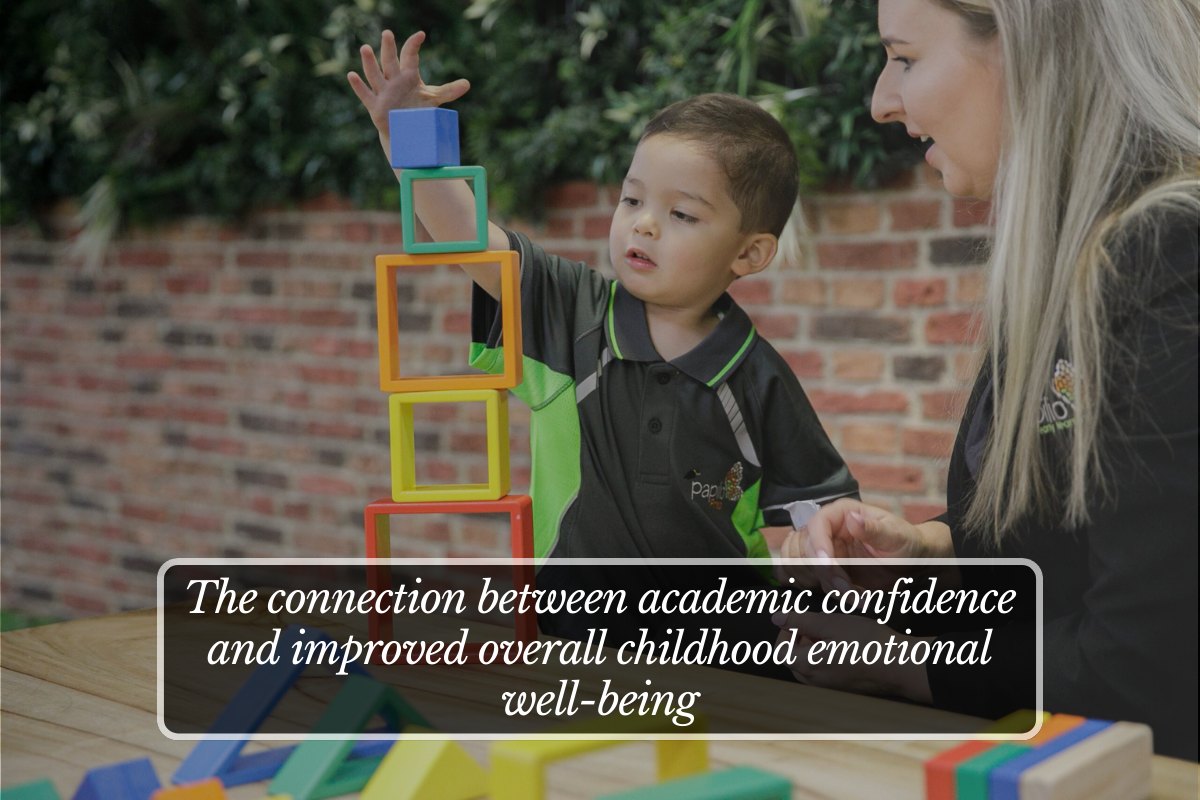
Private sessions create a safe space free from peer pressure or fear of judgment, encouraging children to express confusion, ask questions, and learn from mistakes. This nurturing atmosphere builds emotional resilience and confidence, which translates to reduced anxiety and improved motivation in school. One-on-one tutoring helps children develop a growth mindset by reinforcing that learning is a process rather than a fixed outcome.
Building Strong Study Habits and Executive Skills
Tutors guide children in developing effective study habits such as time management, organization, and prioritization, equipping them with skills essential for lifelong learning. These skills enhance independence and enable children to handle increasing academic demands successfully. Regular tutoring also promotes critical thinking, self-esteem, and an attitude that embraces challenges rather than fears them.
Broader Educational and Emotional Benefits
Research highlights that individualized tutoring not only accelerates academic ability but also fosters emotional intelligence, empathy, and social skills. By enabling more personal connections, tutors become mentors who support a child’s holistic development—academic and emotional—essential in early years for future success.
Key Benefits Overview
FAQ
Q1: How does one-to-one tutoring personalize learning?
Tutors adapt pace and methods to match cognitive needs and learning styles, improving concept mastery.
Q2: Why is the one-on-one setting beneficial emotionally?
It creates a judgment-free zone where children feel safe to ask questions and build confidence.
Q3: Can tutoring improve study habits?
Yes, tutors teach time management, organization, and prioritization, essential for academic success.
Q4: Does tutoring affect social skills?
Tutors often become mentors who promote emotional intelligence and social development.