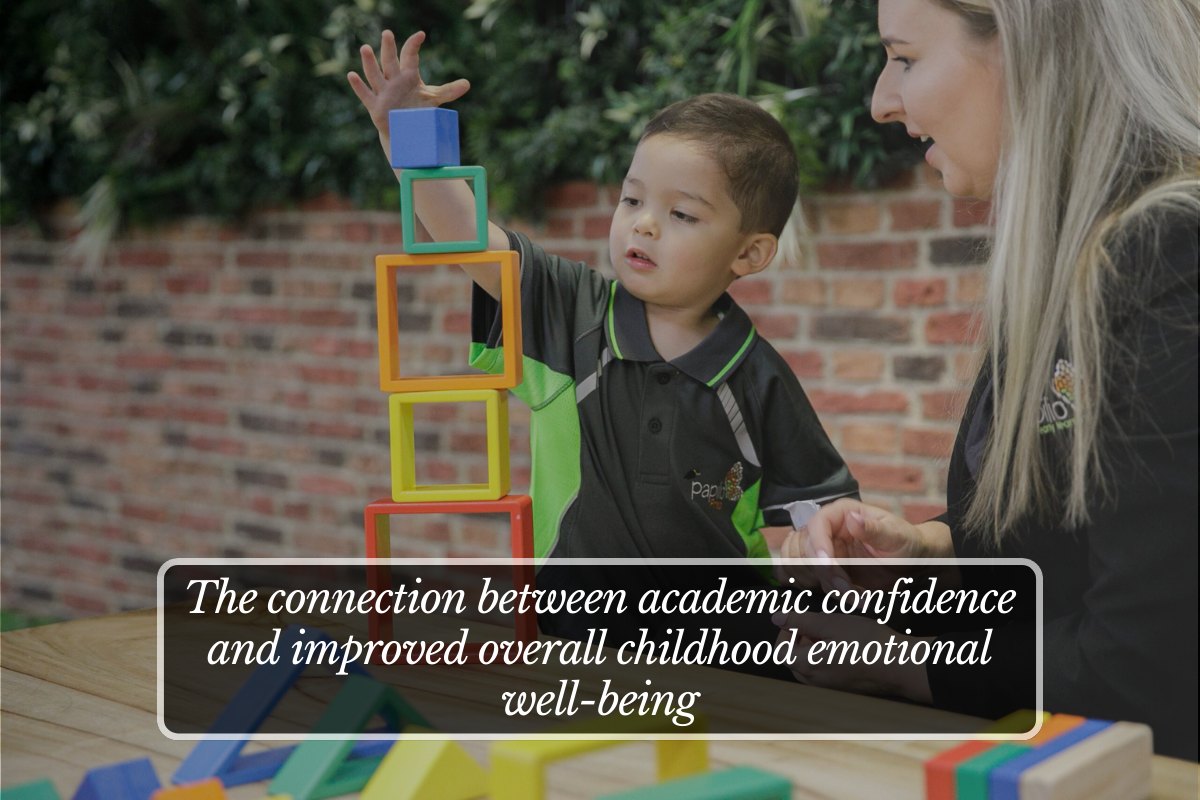
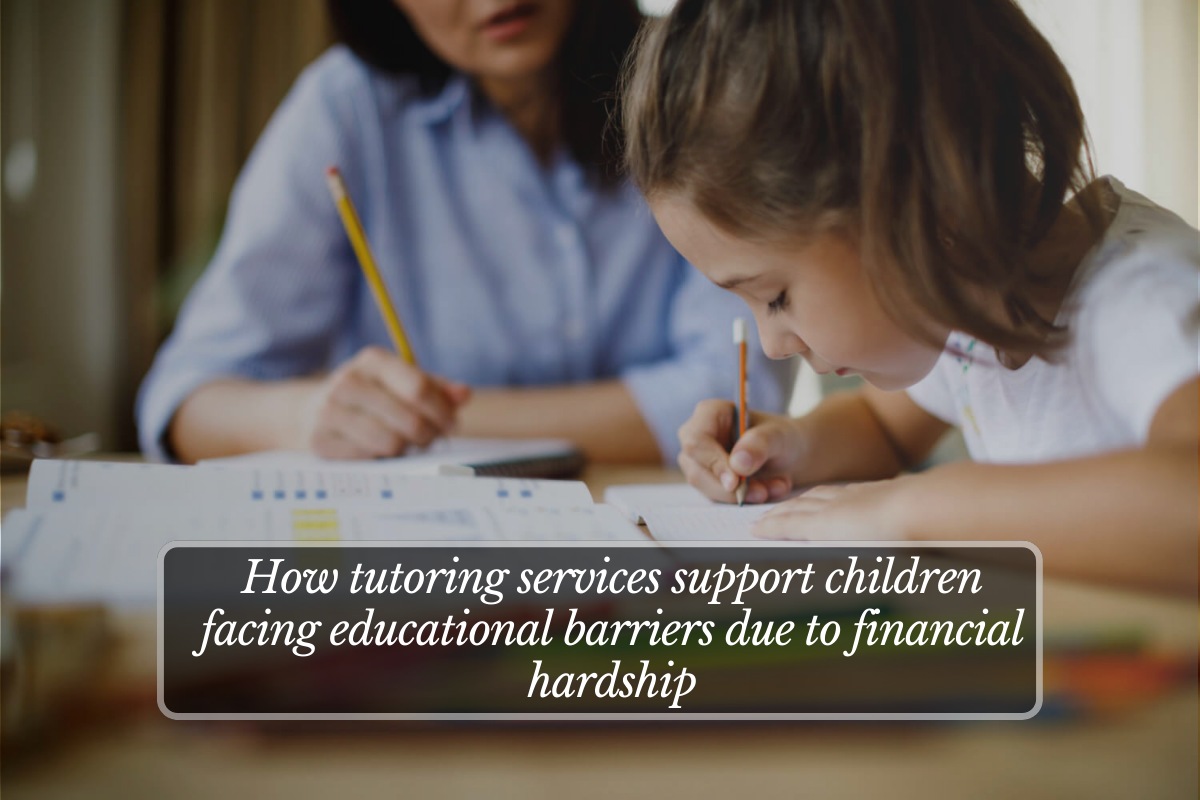
Consistent tutoring in early childhood builds foundational skills like reading and math, yielding learning gains of 0.37 standard deviations on average across U.S. programs. These interventions, often one-on-one or small-group, supplement classroom instruction for children ages 3-8, particularly those from low-income families facing achievement gaps. Federal funding through Title I and ESSER supports scalable models, emphasizing regular sessions to prevent long-term deficits.
Foundations of Early Childhood Learning Challenges
Children in poverty experience speech delays and lower cognitive scores, with inconsistent attention amplifying risks in kindergarten readiness. U.S. studies show first-graders with attention issues fall behind in reading without targeted support, even after controlling for IQ. Early gaps persist without intervention, leading to higher dropout rates and economic disadvantage.
Classroom settings limit personalization for diverse needs, where one-size-fits-all pacing leaves 20-30% behind in phonics or numeracy. Consistent tutoring addresses this by providing three weekly 30-minute sessions, as in Fast Track programs, boosting end-of-year reading by up to 0.81 SD for at-risk non-inattentive children.
Mechanisms Driving Tutoring Effectiveness
Tutoring customizes content to skill levels, enabling rapid feedback and mastery absent in large classes. Teacher-led models like Reading Recovery deliver daily 30-minute phonics sessions, producing gains twice classroom averages in early grades. Paraprofessionals, via AmeriCorps, achieve 0.37 SD overall, strongest in PreK-2 reading.
During-school sessions outperform after-school by minimizing distractions, with short bursts improving fluency and reducing at-risk classifications by 9%. Human connection fosters confidence, reducing anxiety and building habits like time management.
Evidence from U.S. Studies and Programs
Meta-analyses of 96 RCTs confirm tutoring’s 0.37 SD impact, largest for teachers (0.45 SD) and early elementary math/reading. Fast Track’s first-grade tutoring prevented reading declines in inattentive children without prior deficits, though co-occurring issues need intensified approaches. Minnesota Reading Corps shows sustained gains, with kindergartners twice as likely to hit targets.
Post-pandemic, high-dosage tutoring via ESSER funds closed gaps, prioritizing low-SES PreK-3 students. Programs like Number Rockets yield 0.40 SD in math for groups of 2-4, proving scalability.
Long-Term Outcomes and Economic Returns
Early tutoring correlates with higher high school graduation, college attendance, and earnings, mirroring Perry Preschool’s 40-year benefits. Gains persist without fade-out when sustained beyond PreK, reducing special education by 20%. Cost-benefit ratios exceed 5:1, as $1,000 per child yields $7,000 in future taxes.
Nonprofessional volunteers via Reading Partners extend reach affordably, though professional tutors maximize equity for disadvantaged groups.
Policy Support and Implementation Strategies
Title I and 21st Century Community Learning Centers fund tutoring, with states allocating up to $150,000 per district. Best practices include 3-5 weekly sessions during school, aligned curricula, and progress monitoring. Scaling via paraprofessionals balances cost and impact, targeting high-poverty schools.
FAQs
Q1. What effect size do U.S. tutoring programs achieve in early grades?
Pooled 0.37 SD, strongest for reading in PreK-2 at 0.45 SD with teachers.
Q2. Why prioritize consistent over sporadic tutoring?
Regular sessions reinforce skills, prevent fade-out, and build confidence without cramming stress.
Q3. How does tutoring help inattentive early learners?
Modest gains for those without reading deficits; needs pairing with behavior supports for co-occurring issues.
Q4. Which federal programs fund early childhood tutoring?
Title I, ESSER, and AmeriCorps via ESEA/IDEA for high-dosage in low-SES schools.
Q5. Do during-school sessions outperform after-school?
Yes, larger impacts due to focus and integration with classwork.