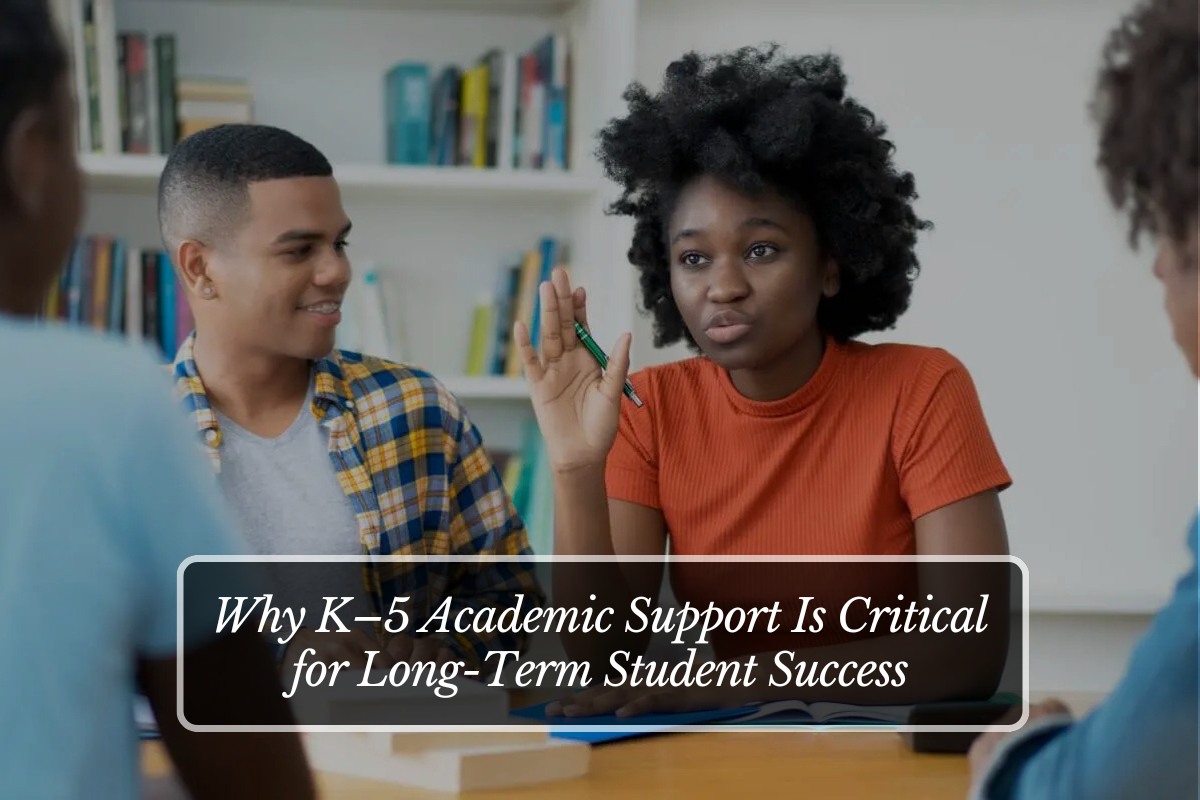
Academic support in the critical K–5 years lays the foundation for lifelong learning, emotional well-being, and future success. Early intervention through personalized instruction, supplemental programs, and social-emotional learning prevents dropout risks, improves grades, and fosters resilience. These formative years shape executive functions such as attention, persistence, and self-regulation, essential for navigating academic challenges and adulthood.
Early Intervention Reduces Dropout Rates
Studies show that comprehensive student supports beginning in elementary school halve the likelihood of high school dropout. Programs addressing academic, behavioral, and family challenges enable students to overcome early obstacles, setting positive trajectories for future learning. Discrete event analysis indicates dropout likelihood drops from 16.6% to 9.2% with early tailored interventions.
Academic Gains and Skill Mastery
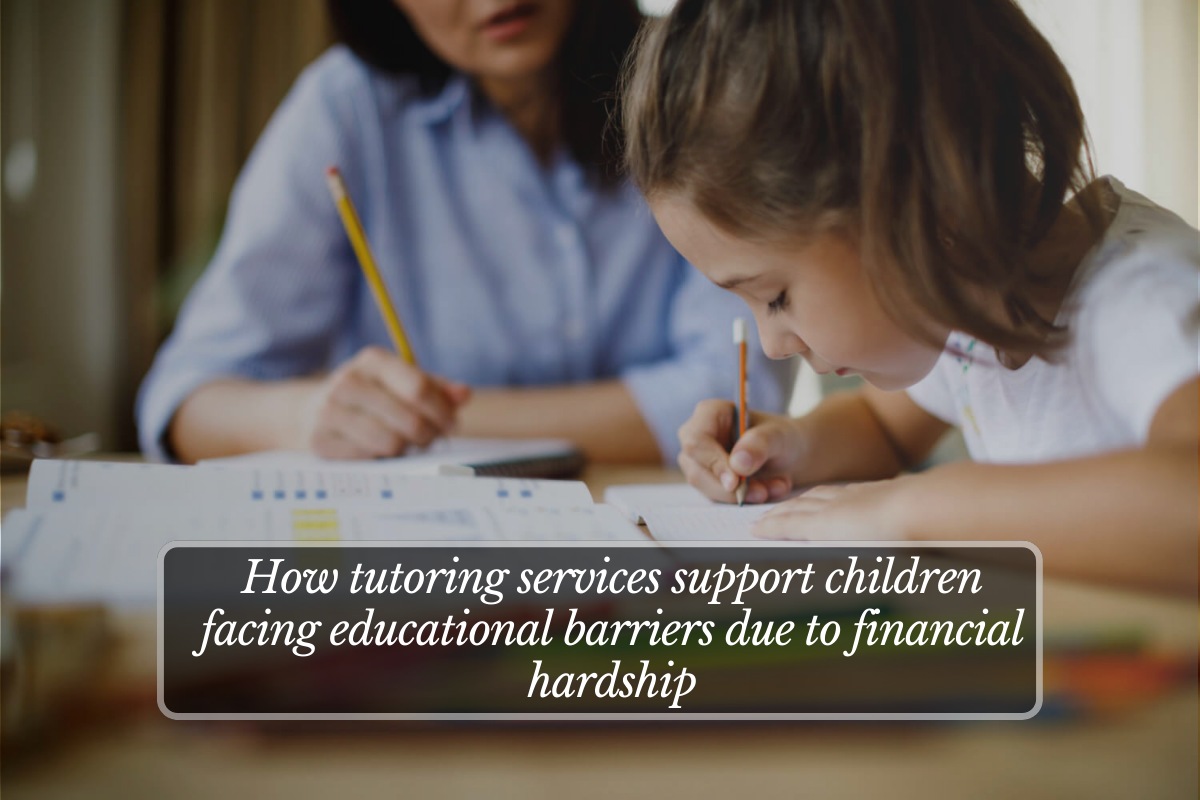
K–5 support bolsters core subjects, helping students master reading, math, and language skills foundational for later success. Supplemental instruction and targeted tutoring improve grades by up to 20 percentile points in math and reading, while after-school programs boost homework completion and class participation by over 60%. These programs also encourage curiosity and engagement, building positive attitudes toward learning.
Developing Executive and Social-Emotional Skills
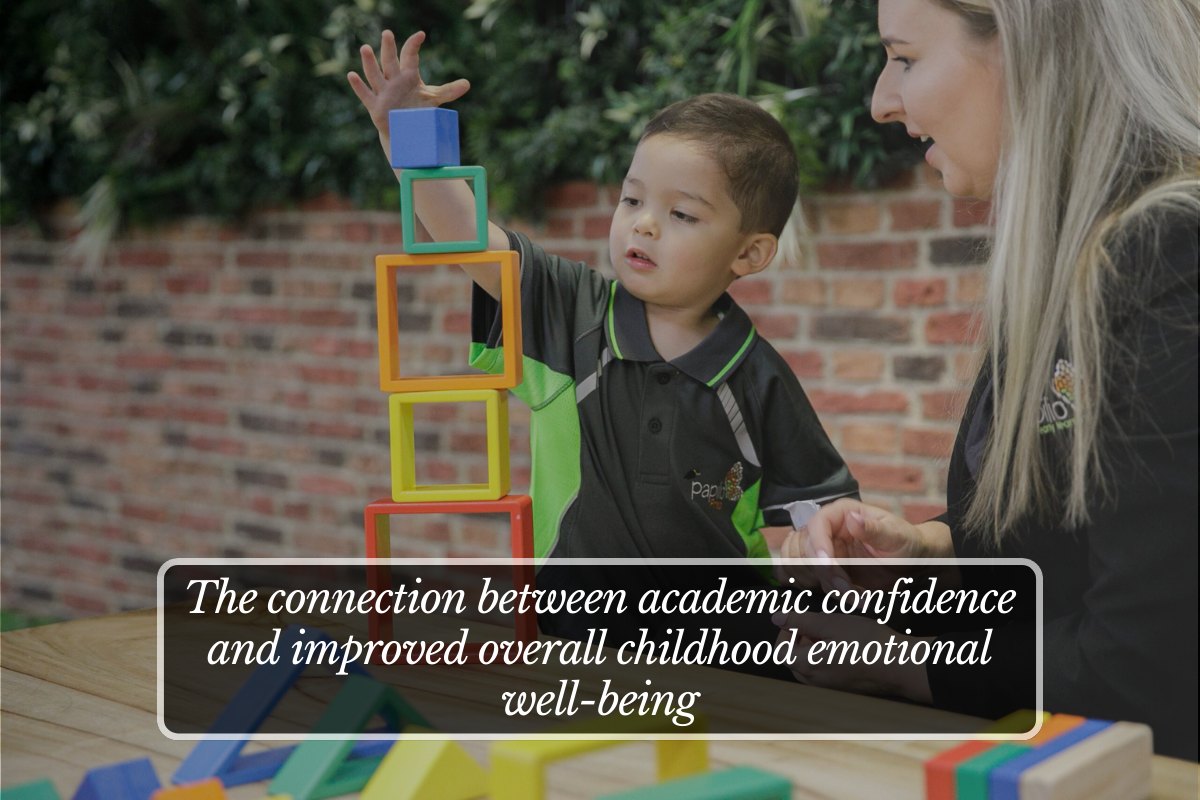
Academic support extends beyond content mastery to cultivate skills like time management, goal setting, decision-making, and perseverance. Social-emotional learning improves self-regulation, communication, and resilience, fostering better classroom behavior and peer relationships. Early coaching empowers students to advocate for themselves, adapt to challenges, and develop a growth mindset vital for long-term academic and personal growth.
Building Support Networks and Belonging
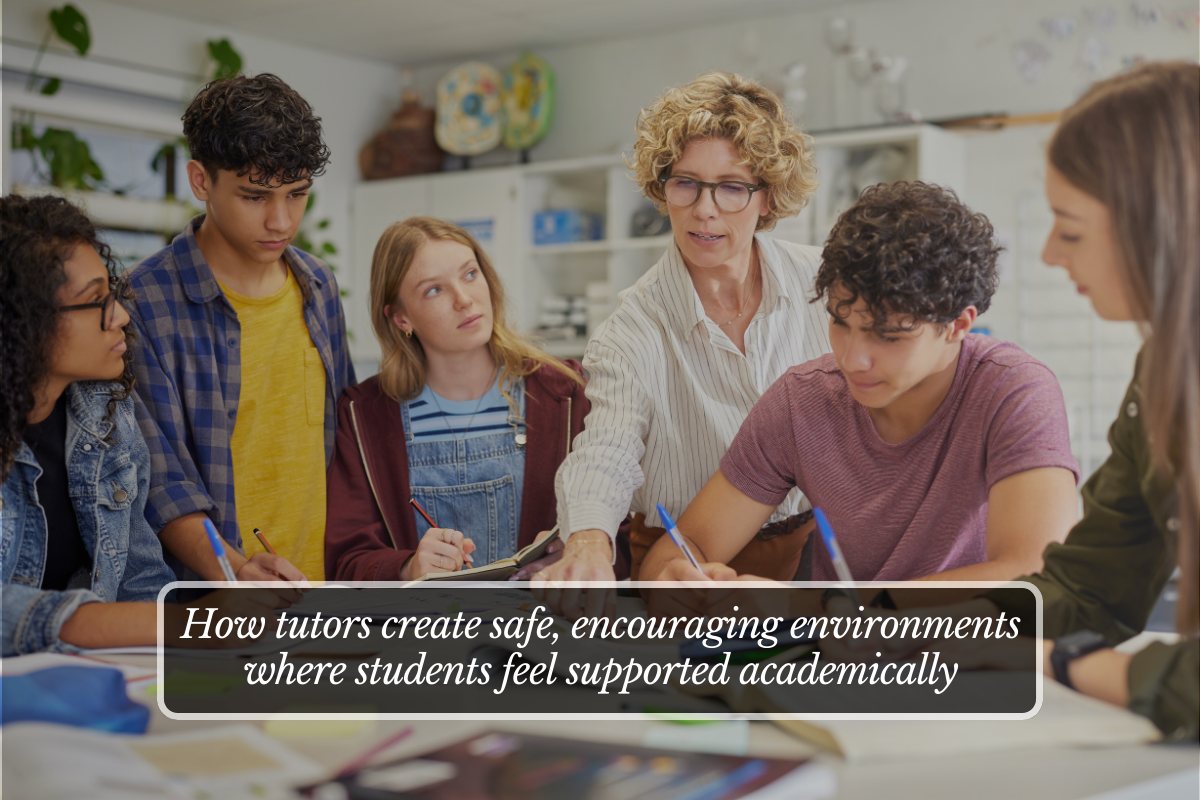
Supplemental instruction and peer mentoring create collaborative learning environments, reducing isolation and enhancing belonging. Early alert systems identify struggling students for timely help, improving retention and engagement. Schools implementing holistic supports build strong connections among students, educators, and families, promoting sustained success and well-being.
Key Long-Term Outcomes
FAQ
Q1: How does K–5 support reduce dropout?
By addressing academic and behavioral challenges early, students maintain positive educational trajectories.
Q2: What academic improvements result from early support?
Students gain up to 20 percentile points in core subjects like math and reading.
Q3: Why are executive and social-emotional skills important?
They improve self-regulation and resilience, enabling students to manage challenges and succeed long-term.
Q4: How do support programs foster belonging?
Through peer mentoring, collaborative learning, and early alerts connecting students to help.