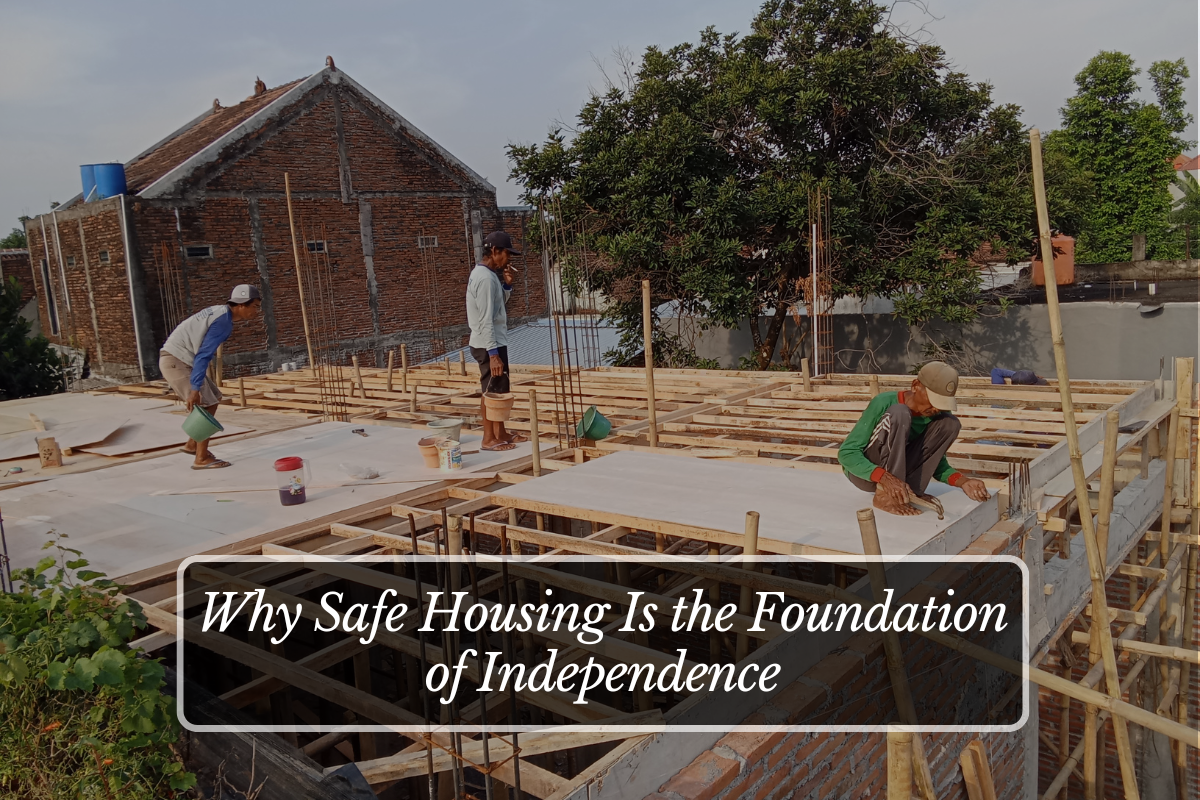
Safe housing serves as the bedrock of independence by providing stability, security, and a base for personal growth, enabling better health, employment, and social integration.
It reduces stress from instability, lowers chronic illness risks, and empowers individuals to pursue education and jobs without survival fears. Studies confirm that secure shelter correlates with improved mental health, self-reliance, and reduced reliance on public services.
Health and Mental Well-Being Gains
Safe housing cuts exposure to toxins, dampness, and overcrowding, reducing respiratory issues and emergency visits while boosting physical health ratings. Residents report enhanced mental health and quality of life, attributing gains to independent living free from instability. For those with mental illness, stable homes facilitate recovery, with 50% engaging in community activities like employment.
Economic and Employment Stability
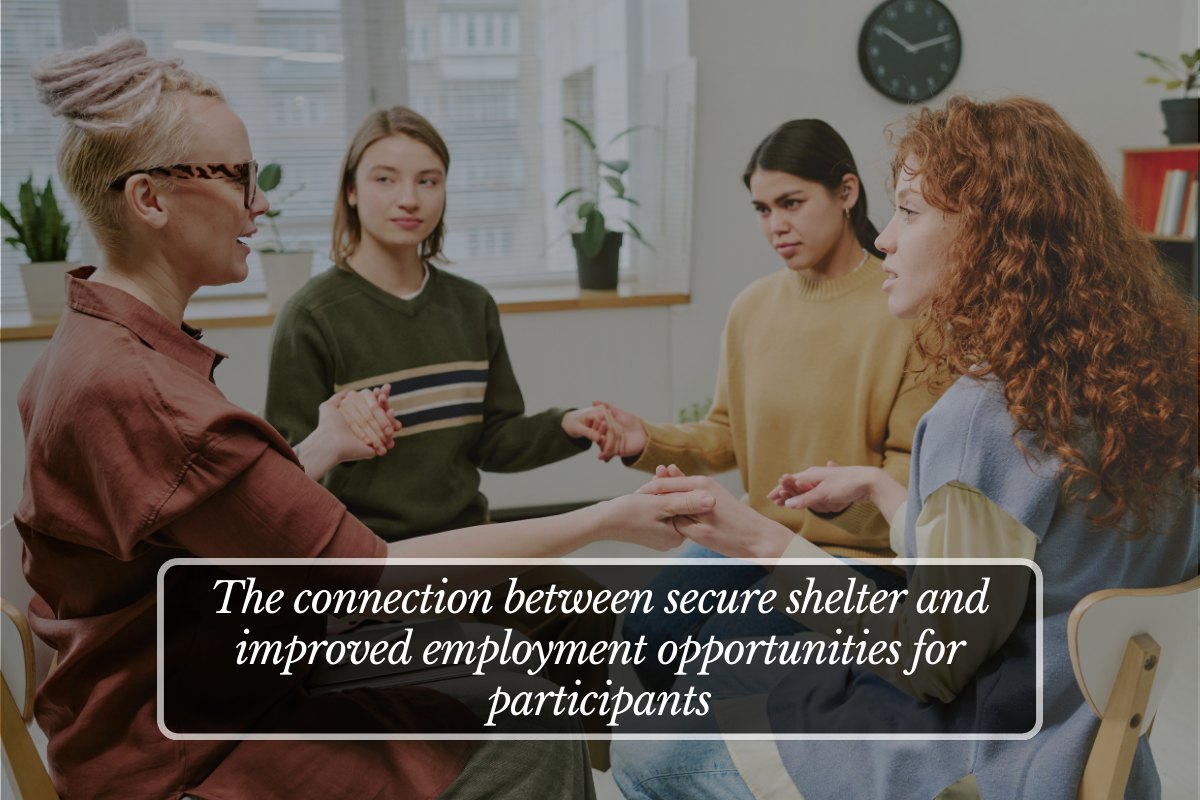
Secure shelter allows focus on job searches and skill-building, as families avoid shelter returns and prioritize work over housing hunts. Poor conditions hinder concentration and networks, but safe homes foster self-confidence for financial management and goals. Subsidized housing stabilizes low-income seniors and families, promoting workforce participation.
Social Integration and Family Resilience
Independent living reduces stigma and isolation, enabling community involvement and family life without institutional constraints. Young people in stable housing maintain education and support networks, accelerating pathways to autonomy. Homeless families in quality housing show higher stability and less shelter recidivism.
Long-Term Empowerment Effects
Safe environments build responsibility through daily management, enhancing pride and belonging essential for sustained independence. Housing with care outperforms expectations in reducing loneliness, supporting transitions from vulnerability. Overall, it drives broader societal benefits like lower healthcare costs and higher productivity.
Key Foundations of Independence
FAQ
Q1: How does safe housing improve mental health?
It reduces instability stress, enabling recovery and 50% community involvement for those with mental illness.
Q2: Why is safe housing key for employment?
It frees focus from survival to job pursuits, stabilizing families and cutting shelter reliance.
Q3: What health risks does unsafe housing pose?
Toxins, dampness lead to respiratory issues and poor physical ratings.
Q4: How does safe housing aid young independence?
It preserves education networks and confidence, countering exclusion from poor conditions.