Tutoring programs bridge critical gaps for U.S. children from low-resource homes, where limited books, internet, or parental support hinder academic progress, delivering proven gains in math and reading via high-dosage sessions.
Amid post-pandemic learning losses, 46% of public schools offer such programs, yet only 15% of students access tutoring overall, leaving many underserved youth behind. High-quality models boost passing rates by 13% and retention by 8%, making them indispensable for equity.
Addressing Home Resource Deficits
Millions of American children lack home learning tools—only 59% of low-income families have broadband, per federal data—exacerbating achievement gaps in reading and math.
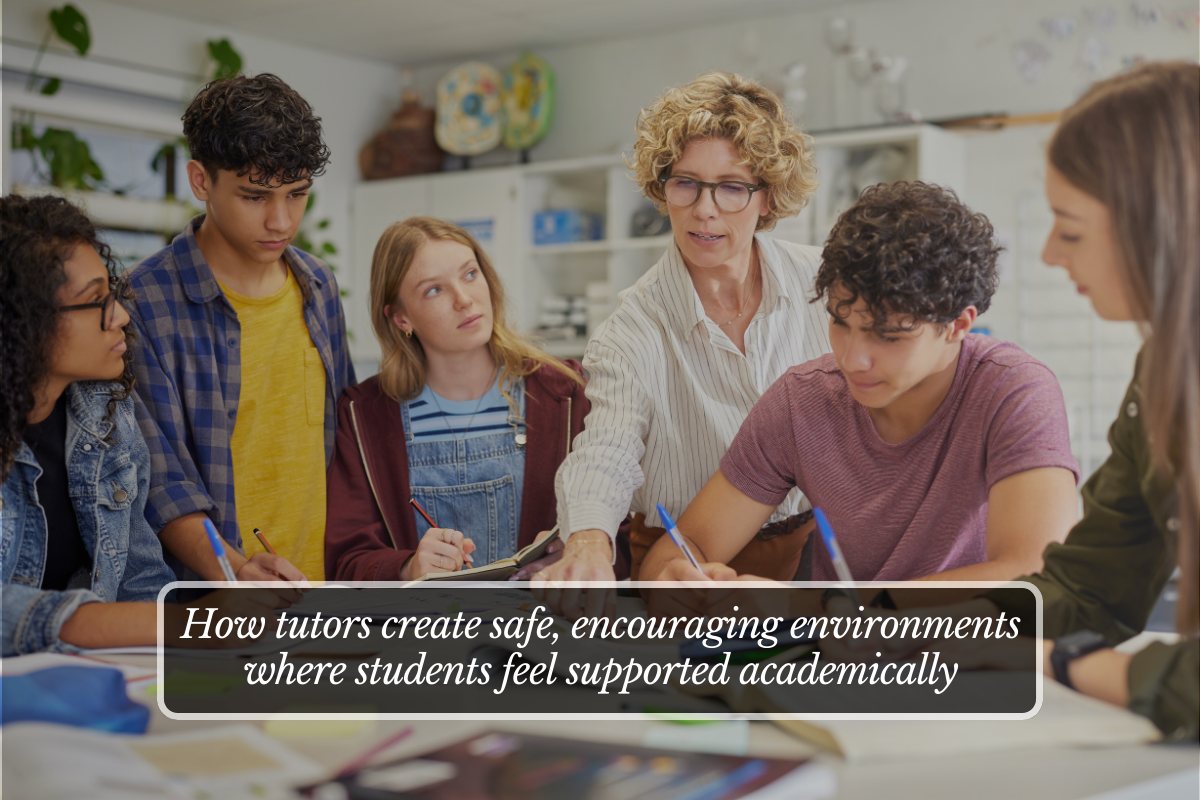
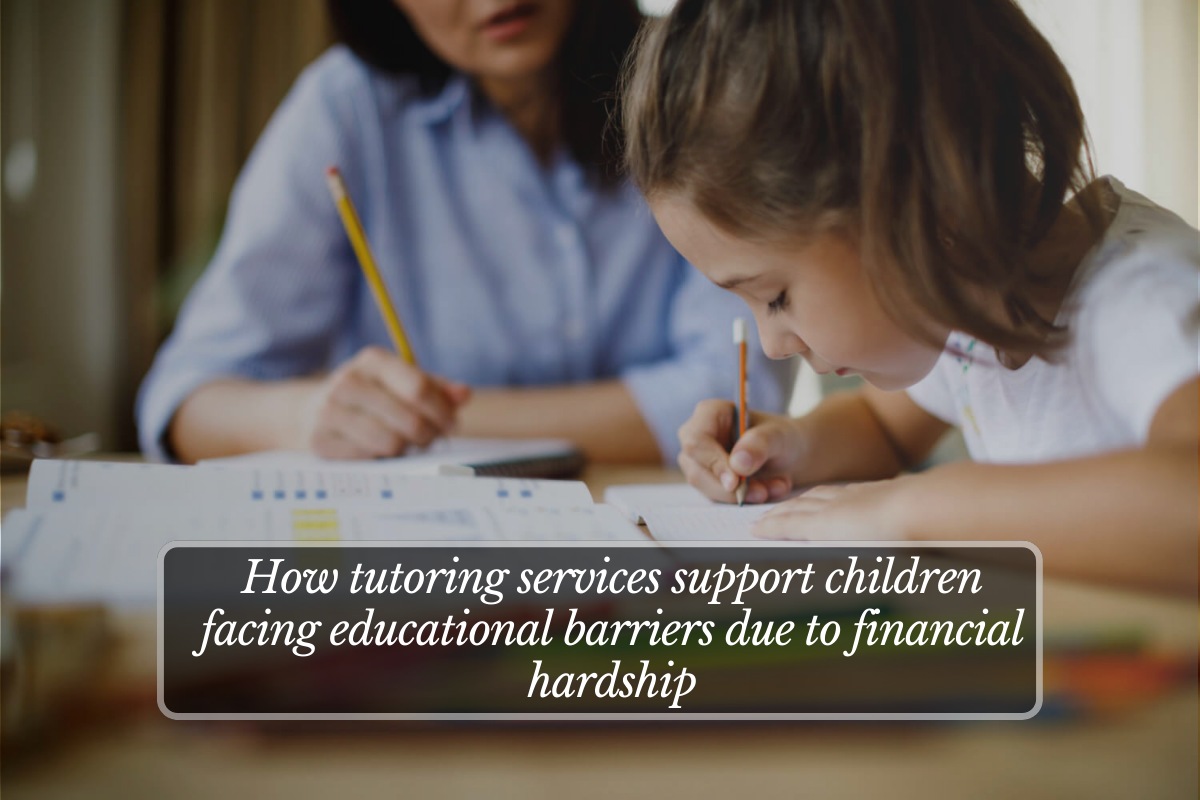
Tutoring provides structured support absent at home, with in-school sessions during regular hours ensuring attendance and integration. Programs like those in Chicago Public Schools yield meaningful improvements for 2,000+ students via online math tutoring.
Proven Academic Impact
Research shows high-dosage tutoring—three+ sessions weekly, 30+ minutes each—produces 0.20 standard deviation gains, outperforming other interventions. Students receiving consistent sessions advance further, with Compton USD seeing math proficiency rise 2.9 points after hiring 250 tutors. Even scaled programs match pre-pandemic effects per minute, though dosage shortfalls limit broader wins.
Equity for Vulnerable Students
Children from resource-poor homes benefit most, as tutoring equalizes access to personalized instruction. Only 4% of C-grade or lower students get high-quality help, yet it slashes failure risks—48% less in math per Chicago studies. Federal ESSER funds fueled expansion, with 52% of schools rating it “very effective,” prioritizing underserved districts.
Implementation Best Practices
Success hinges on small groups (1:3 ratios), trained tutors, and school embedding for 50+ hours over 36 weeks. Outcomes-based contracting ties funding to results, as in 2025 state policies. Cheaper models ($1,200/student) rival pricier ones if dosage holds, blending online practice with human guidance.
Beyond Academics: Retention and Confidence
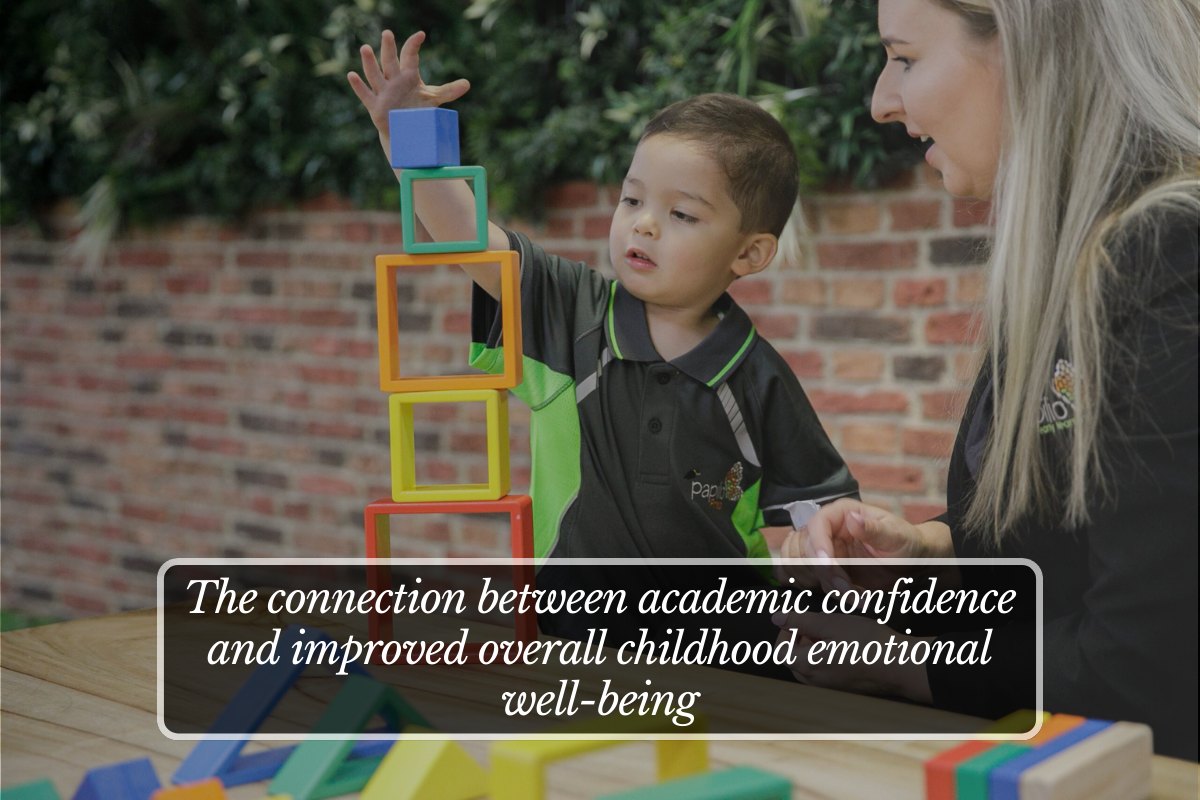
Tutoring fosters skills like self-regulation, boosting retention 8% and grades from C- to C+. Schools prioritizing coordination see larger gains, countering home instability. Amid $190 billion recovery funds, sustaining these via AmeriCorps fellows offers cost-effective scaling.
Challenges and Path Forward
Large-scale rollout dilutes effects via higher ratios and poor attendance, but tailored implementation reverses this. Policymakers urge dosage focus—half+ sessions yield growth—ensuring tutoring remains America’s top recovery tool.
FAQs
1. What makes high-dosage tutoring effective?
Three+ weekly sessions of 30+ minutes in small groups during school hours, yielding 0.20 SD gains.
2. How does it help low-resource kids specifically?
Provides absent home tools, boosting passing rates 13% and closing broadband/parental gaps.
3. Why do some programs underperform?
Insufficient dosage and attendance; consistent delivery doubles effects.
4. What’s the cost and scalability?
$1,200-2,000/student; cheaper group models work if dosage holds, via school funds.
5. Are results sustained post-pandemic?
Yes, Chicago and Compton show proficiency jumps; focus on implementation key.