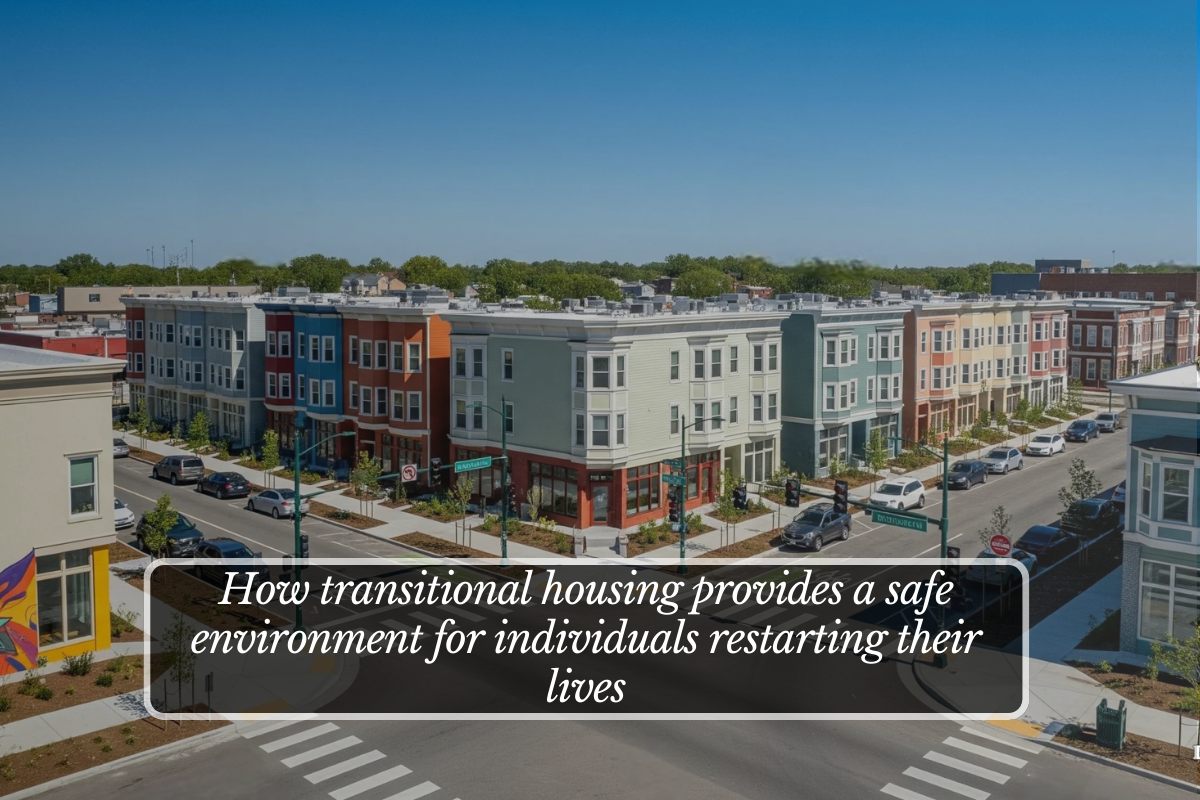
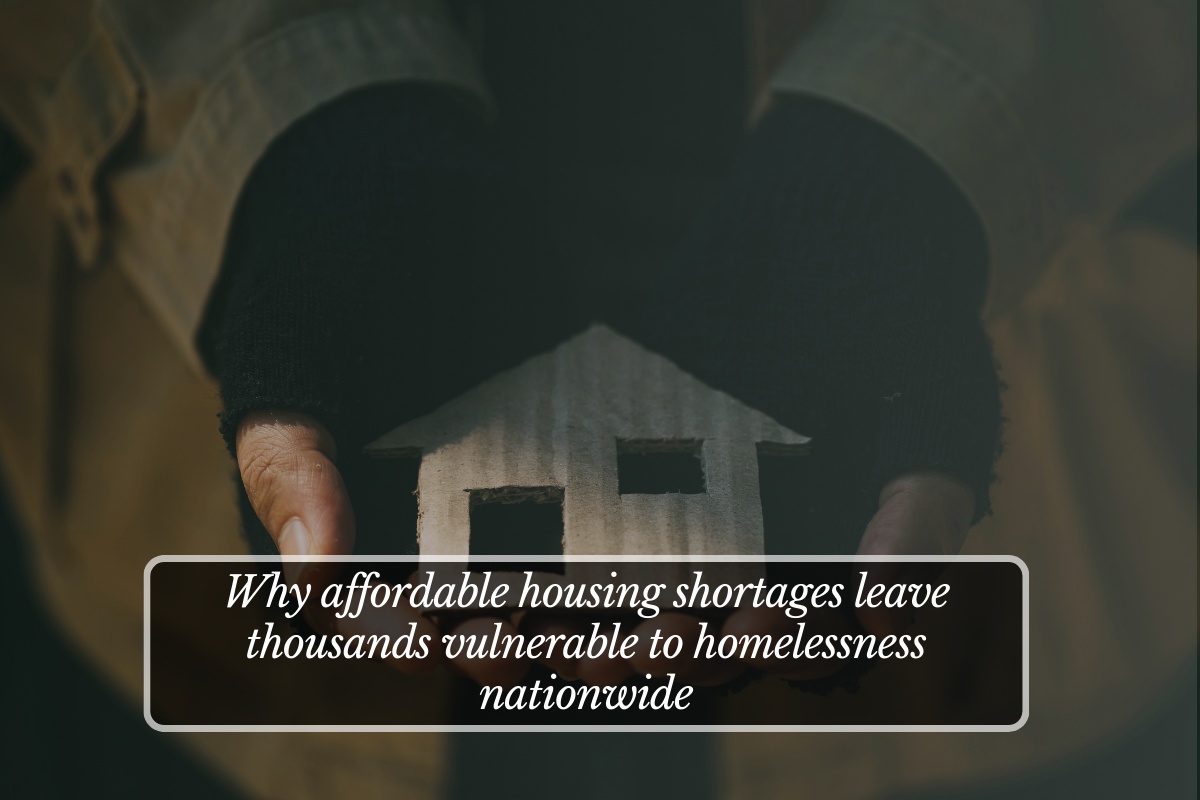
Stable housing serves as the bedrock of self-sufficiency in the USA, where 771,480 people experienced homelessness on a single night in 2024 amid a 12% service demand surge, per HUD’s AHAR.
Housing First models achieve 88% homelessness reductions and 41% stability gains versus treatment-first approaches, enabling employment, health recovery, and family stability without preconditions. This evidence-based strategy, proven in Pathways Housing trials, unlocks human potential by addressing root instability driving cycles of poverty.
Breaking the Homelessness Cycle
Housing First prioritizes immediate permanent placement with voluntary supports, yielding 73-98% retention rates over 2 years versus 32-47% in controls, per RCTs. Without shelter, exposure to health risks and mental strain persists; stable units reduce ER visits and enable routine-building essential for independence. HUD’s 412,623 PSH beds demonstrate scalability, cutting chronic homelessness 20% among veterans.
Foundation eliminates survival barriers.
Health Improvements Enabling Recovery
Instability correlates with depression, stress, and readmissions; Housing First cuts hospitalizations via safety nets, improving outcomes 41%. Evictions elevate health risks; stable tenants report better physical/mental wellness, with low-income children avoiding school switches that impair learning. PSH integrates healthcare, reducing substance issues and boosting life expectancy.
Employment and Income Growth
Secure addresses facilitate job applications—75% youth homelessness unemployment drops post-housing—while stability fosters strategies for advancement. SNAP/employment programs thrive in fixed homes; Housing First participants gain income stability, recirculating $8.6B in shelter costs to productive uses. Rent predictability aids savings, per Carolina Reid’s findings.
Educational and Family Stability
Frequent moves cause learning disabilities and lower graduation; stable housing predicts better outcomes for children. Families invest in education when eviction fears subside, narrowing achievement gaps. PSH supports child development, reducing behavioral issues tied to instability.
Economic and Community Benefits
Homelessness costs $8.6B yearly in services; Housing First yields ROI via reduced public spending and workforce gains. Affordable units promote wealth-building, community revitalization, and lower crime. Targeted investments like VA models end group-specific homelessness.
Policy Support and Scaling Housing First
HUD/YAHO fund PSH expansions; evidence from 26 studies validates rapid rehousing (75-91% retention). Local trusts preserve affordability; equity addresses discriminatory barriers.
Federal blueprints guide replication.
Frequently Asked Questions (FAQs)
1. Housing First success rates?
88% homelessness reduction, 41% stability gain vs. treatment-first.
2. 2024 U.S. homelessness figure?
771,480 on one night; 1.1M served, up 12%.
3. Health benefits of stability?
Fewer ER visits, better mental/physical outcomes; cuts readmissions.
4. Employment impact?
75% youth unemployment drops; enables job strategies.
5. PSH bed count?
412,623 nationwide, including territories.