Volunteer tutors in the USA significantly boost student confidence and motivation through personalized, one-on-one support in programs serving thousands in Title I schools and community centers.
Research shows these interventions yield effect sizes of 0.26-0.45 in reading skills while enhancing self-esteem and engagement, particularly for disadvantaged youth. Initiatives like Reading Partners demonstrate how community volunteers deliver high-impact gains at lower costs than professional staffing.
Building Confidence Through Personalized Attention
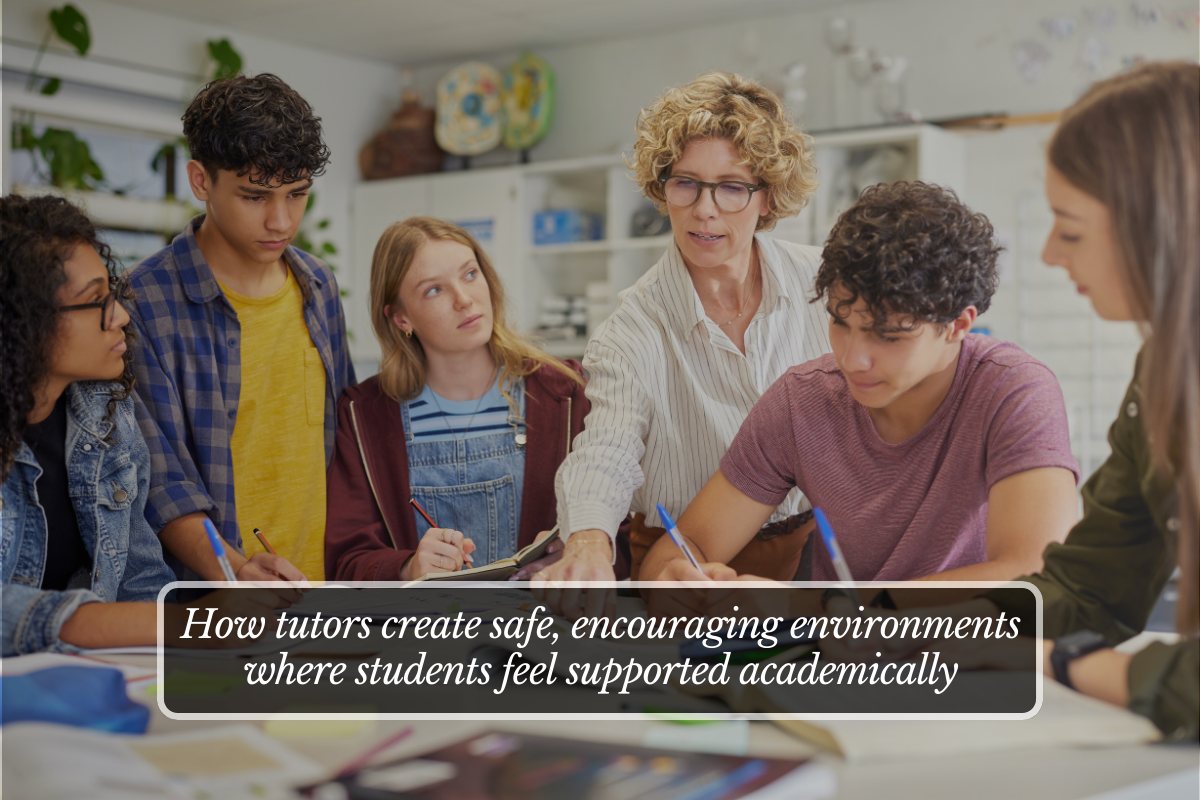
Volunteer tutors foster confidence by tailoring lessons to individual needs, reducing anxiety and promoting a growth mindset among struggling learners. Studies indicate tutored students experience significant improvements in self-efficacy, with middle schoolers more likely to pass core subjects after sessions emphasizing encouragement.
Programs like Reading Partners, using minimally trained volunteers, show students advancing from below-grade to peer levels, building belief in their abilities via consistent progress tracking. In diverse U.S. classrooms, tutors bridge gaps for immigrants and those with learning disorders, yielding strong psychological gains like higher aspirations and lower depression scores.
Igniting Motivation Via Relational Bonds
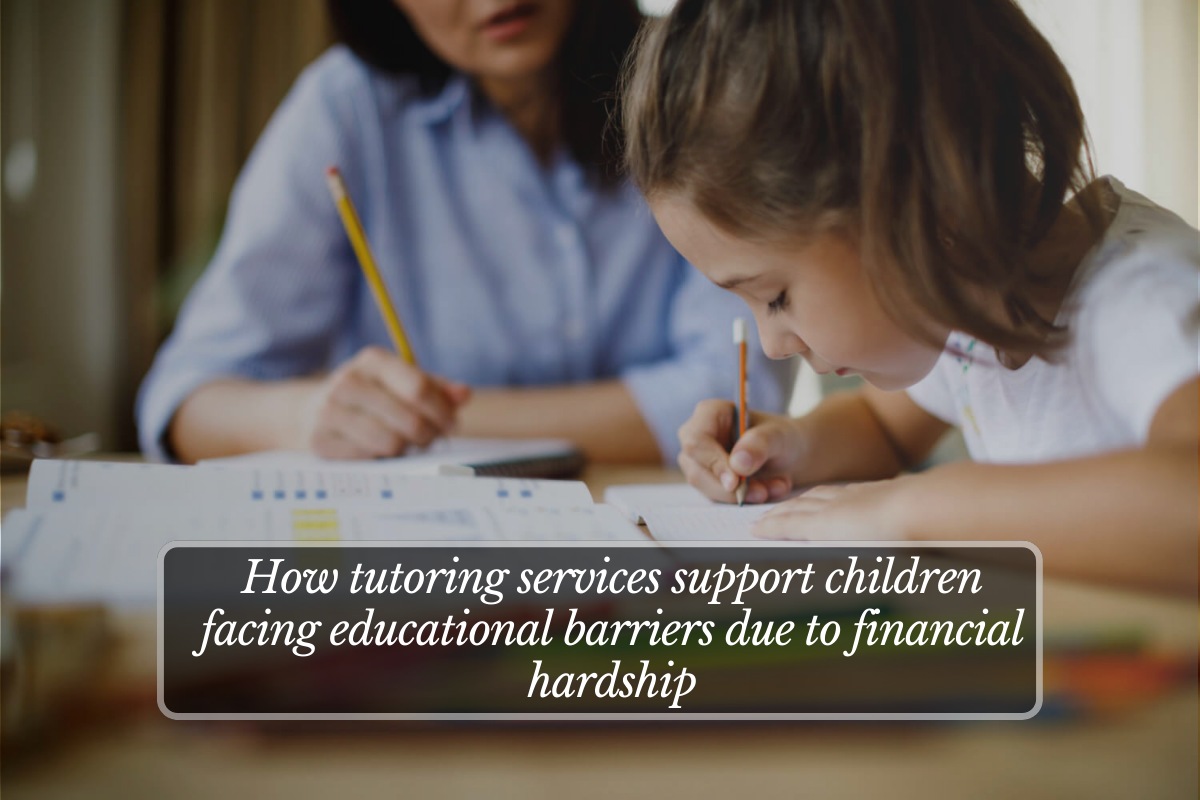
One-on-one interactions spark intrinsic motivation, as tutors model enthusiasm and celebrate small wins, leading to increased study time and class participation. Meta-analyses confirm volunteer programs enhance oral fluency and writing (effect sizes 0.30-0.45), correlating with heightened engagement over supplemental instruction alone.
Cross-age and peer tutoring further amplify this, with shy students gaining cognitive confidence through affable discussions. Harvard research on large-scale volunteering found math performance surges alongside soft skills like well-being, especially for economically disadvantaged pupils.
Evidence from Proven U.S. Programs
Reading Partners, operating in schools nationwide, delivers 1.5 weekly sessions yielding statistically significant reading proficiency boosts, with volunteers handling 65% of instruction cost-effectively. MDRC evaluations affirm its fidelity, where students outpace controls despite minimal added hours.
Similar initiatives, like those mobilizing community volunteers, improve proficiency for kindergartners through fourth-graders in high-need areas. College volunteer programs, such as AmeriCorps-linked efforts, correlate tutoring hours with passing rates (21% effect size), proving scalability.
Long-Term Academic and Social Gains
Beyond immediate outcomes, tutoring sustains motivation, reducing absenteeism and peer isolation while elevating teacher-rated achievement. Participants report stronger communication and empathy, fostering lifelong learning attitudes.
High-dosage models—three sessions weekly—maximize effects, with U.S. evidence showing math and literacy variability favoring structured volunteer delivery. Even low-intensity programs yield positive, non-significant effects on comprehension and math, underscoring broad applicability.
Challenges and Best Practices for Impact
Attrition around 27% occurs, yet structured training and school integration mitigate it, ensuring fidelity. Best practices include 30-minute sessions during school, progress monitoring, and pairing with school curricula for retention. Policymakers note only 2-10% of students access high-quality tutoring despite funding, urging expansion.
Scaling Volunteer Tutoring Nationwide
With effect sizes rivaling paid options, volunteers offer equitable solutions; GiveWell reviews 20+ studies confirming substantial impacts. Districts partnering with nonprofits like Littera see confidence-building via trusted adult relationships alongside gains.
FAQs
Q1. How do volunteer tutors boost student confidence?
Personalized encouragement reduces anxiety, yielding growth mindsets and self-efficacy gains.
Q2. What motivation improvements result from tutoring?
Increased engagement, study time, and aspirations, per surveys and standardized tests.
Q3. Which U.S. program exemplifies success?
Reading Partners advances reading proficiency via volunteers in Title I schools.
Q4. What effect sizes back tutoring efficacy?
0.26-0.45 in reading subskills, with significant passing rate correlations.
Q5. Why prioritize volunteer over professional tutoring?
Cost-effective with comparable outcomes, scalable for underserved students.