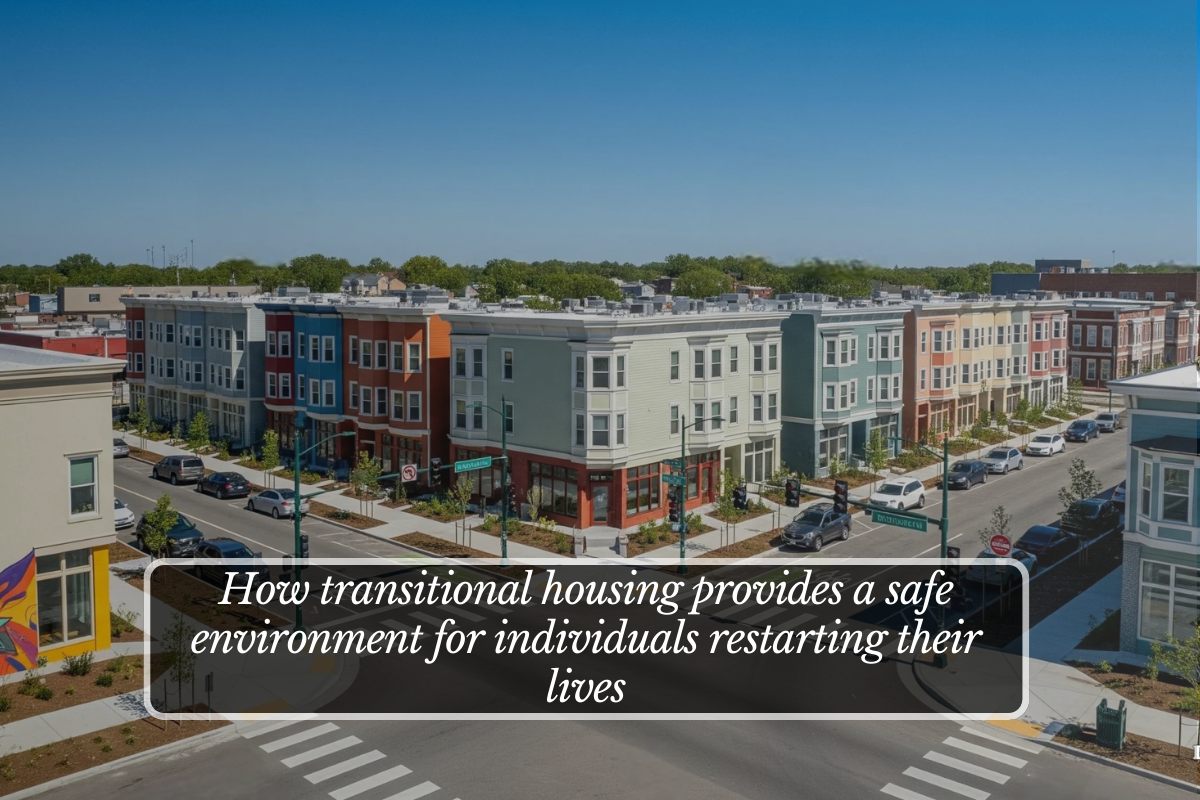
Transitional housing provides temporary, supportive shelter with services to stabilize individuals and families exiting homelessness, bridging to permanent options amid U.S. rates affecting 653,000 nightly per HUD’s 2025 PIT count.
Unlike permanent supportive housing (PSH), it emphasizes structured stays (6-24 months) with case management, skill-building, and job training to foster independence. While PSH excels for chronic cases, transitional models aid shorter-term or motivated clients, reducing recidivism via rent subsidies and reunification per HUD studies.
Core Components and Services
Programs offer private/family units, life skills (budgeting, parenting), employment counseling, substance treatment referrals, and child care, per HUD Continuum of Care guidelines. Stays average 12-18 months, with 86% exiting to own places if subsidies secured. Services like case management (91% usage) and food aid (70%) address barriers, yielding employment gains and sobriety—only 5% reported post-program drinking.
Rent subsidies at exit prove pivotal: families with them maintain stability 60% longer, limiting household flux.
Proven Impacts on Stability
HUD’s Life After Transitional Housing tracked 179 families: 86% moved directly to own housing post-program, 60% stayed housed entire follow-up year, and homelessness recurred in just 2%. Longer stays correlated with higher education/employment; smaller programs (<50 families) boosted own-place exits by 20%. Child outcomes improved: 42% reunified, behavioral issues declined despite school engagement lags.
Economic fragility persists—median $12k income—but TH smoothed TANF/Medicaid cliffs, with 62% employment post-exit vs. entry lows.
Breaking Recidivism Cycles
Transitional housing disrupts patterns for ex-offenders/victims: Maryland’s MOVE RCT cut rearrests via relocation subsidies, echoing Katrina studies (15% recidivism drop). Domestic violence programs reunite 42% families; veteran/disability models like Hillcrest yield savings accounts/jobs, preventing shelter returns. Rural/urban flexibility aids, though PSH outperforms for chronics (88% homelessness reduction).
Success Stories Nationwide
Savannah (Hillcrest KC): Single mom post-DV/eviction saved thousands, landed school job, secured 3-bedroom townhouse. James: 90-day program yielded sobriety, savings, 2-bedroom apt, custody pursuit. Mather Campus (Sacramento): Leann regained twins post-treatment, achieved job/savings/housing goals. These reflect 81-88% 2-3 year stability in select programs.
Challenges and Policy Shifts
Low take-up (53%) and no control groups limit causality; PSH prioritization post-2013 cut TH beds without unsheltered rises (32 states improved). HUD’s 2025 NOFO caps PSH at 30%, risking 170k losses, underscoring hybrid needs. Barriers: stigma, sobriety rules exclude chronics.
Future Directions
Integrate with Housing First: rapid transitional-to-PSH pipelines. Expand subsidies (vital for 60% outcomes), tele-services for rural, reentry focus. Investments yield $2.50 returns via reduced ER/jail use.
FAQs
1. How does transitional housing differ from PSH?
Temporary (6-24 mo) with skills focus vs. indefinite PSH for chronics; TH suits motivated clients.
2. What outcomes does HUD data show?
86% to own housing, 60% stable 1-yr, low recidivism with subsidies.
3. Does it reduce homelessness cycles?
Yes, via reunification (42%), employment gains for short-term cases.
4. Why prioritize over PSH?
Complements for families/ex-offenders; smaller programs boost exits 20%.
5. Recent policy impacts?
HUD cuts risk 170k losses; hybrids needed amid rising needs.