Safe housing programs in the United States are transforming the futures of families escaping homelessness by providing not only a roof over their heads but also stability, safety, and a pathway to long-term recovery and self‑sufficiency. When families move from shelters, cars, or doubled‑up situations into stable housing with supportive services, research shows dramatic improvements in housing stability, child well‑being, and family functioning that can last for years.
Why Safe, Stable Housing Changes Everything
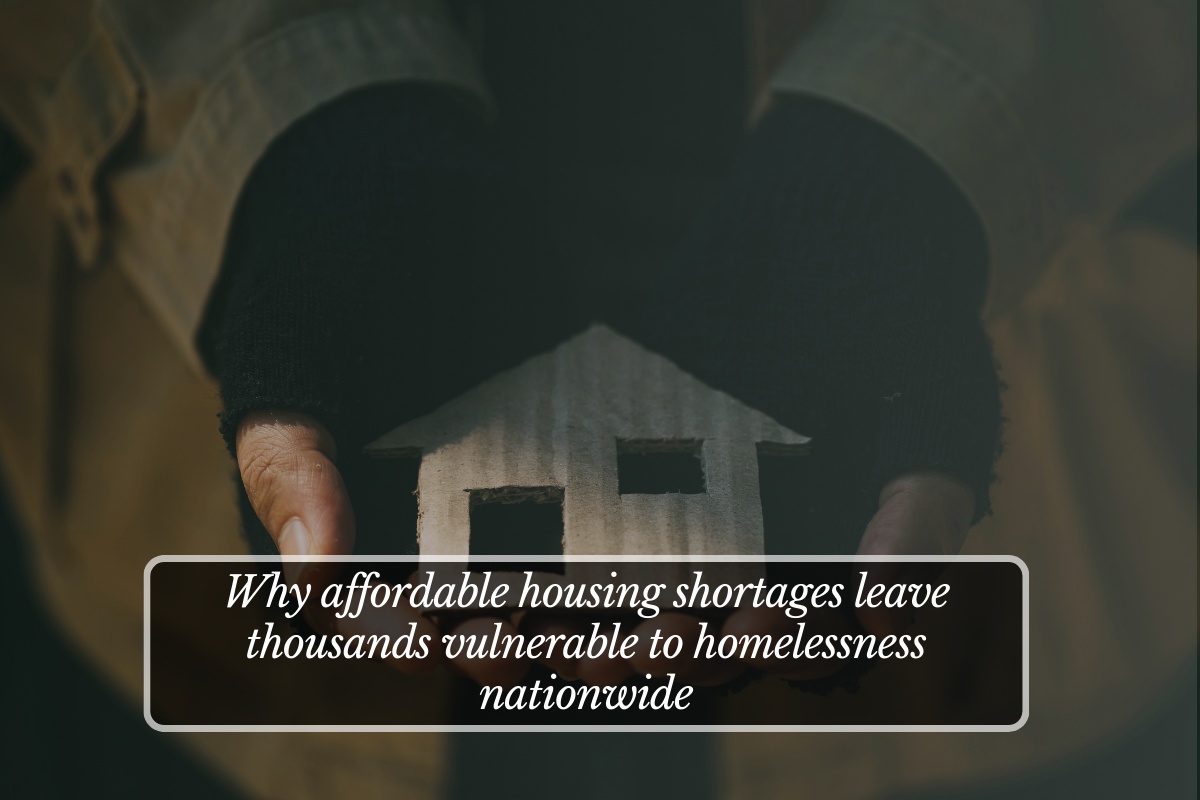
Family homelessness in the U.S. is often hidden—many parents with children stay in motels, vehicles, or overcrowded apartments—yet it is a public health crisis that disrupts education, employment, and child development. Children experiencing homelessness have higher rates of illness, developmental delays, and child welfare involvement; housing instability is strongly associated with investigations and foster care placements.
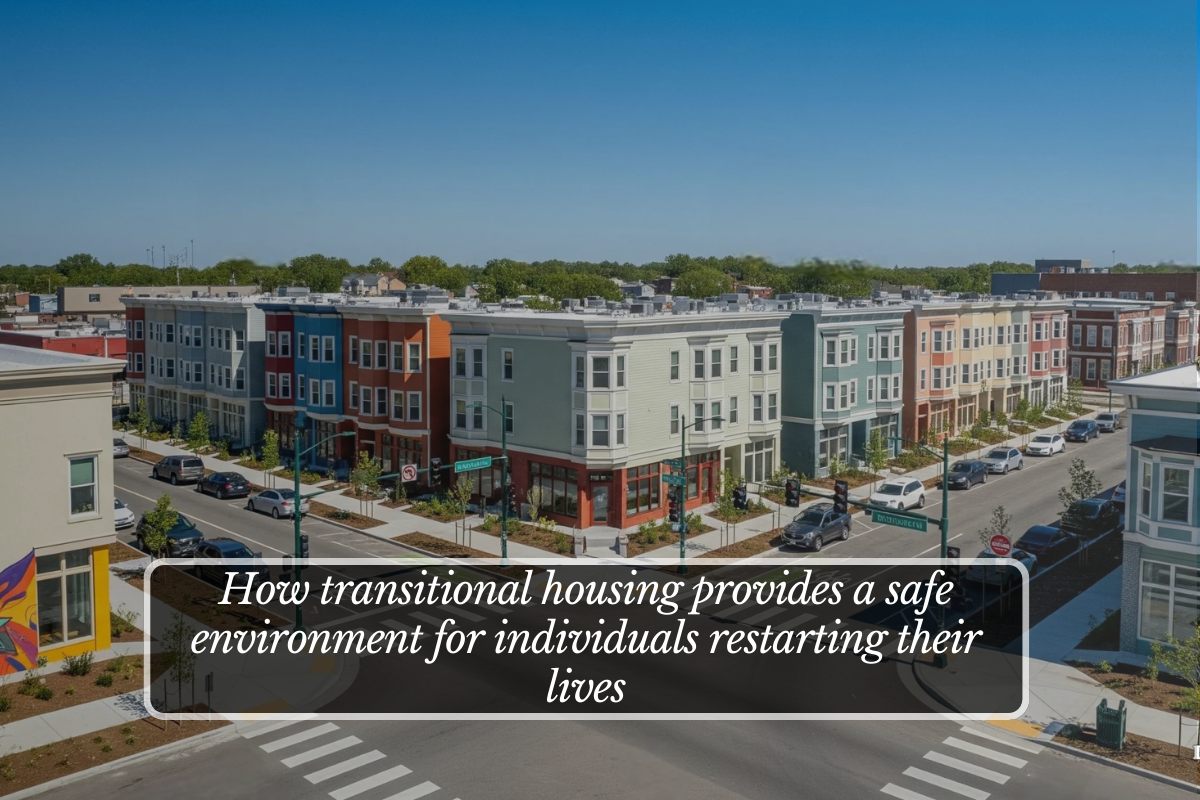
Safe housing programs interrupt this cycle by replacing crisis conditions with physical safety, privacy, and predictability. Parents can lock doors, cook meals, and establish routines, which lowers stress and creates the emotional bandwidth needed to focus on work, parenting, and healing from trauma.
Evidence from Housing First and Supportive Housing
Over the last 15 years, U.S. policy has increasingly prioritized “Housing First” and permanent supportive housing for families. In Housing First models, families receive rapid access to permanent housing without preconditions like sobriety, alongside voluntary services such as case management, mental health care, and employment support.
The landmark federal Family Options Study, a 12‑site randomized trial, found that long‑term rent subsidies (a core safe housing strategy) cut the likelihood of a family experiencing homelessness or doubling up by more than half at 20‑ and 37‑month follow‑ups compared to usual care.
These subsidies also had “radiating impacts,” improving family stability and reducing separations of children from parents. Other evaluations of supportive housing for homeless families show sustained housing over several years and significant reductions in shelter use and crisis service utilization.
Impacts on Children’s Safety, Health, and Education
Safe housing directly protects children from the dangers of streets, unsafe buildings, and frequent moves, and indirectly improves health and learning. Research from Chapin Hall’s “Bringing Families Home” project in San Francisco found that supportive housing with vouchers and case management improved family functioning, increased residential stability, and helped families successfully close child welfare cases. Two‑thirds of families with closed reunification cases were able to reunify with their children, and very few children re‑entered care.
Stable housing also decreases school mobility, which is critical because frequent moves are associated with lower test scores and higher dropout risk. When families are housed, children are far more likely to stay in the same school, attend regularly, and access special services such as counseling or academic support, improving their long‑term educational trajectory.
Pathways to Economic Stability and Family Healing
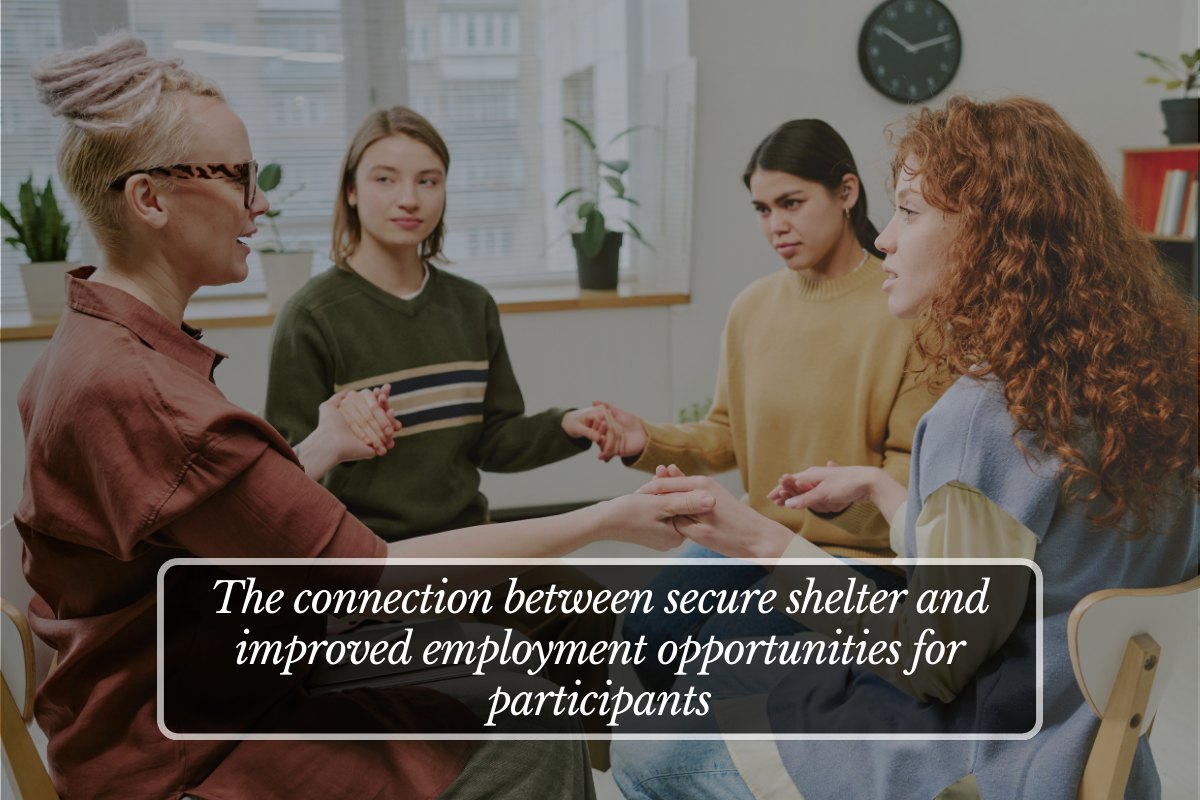
Supportive housing programs pair safe units with on‑site or mobile services that help parents pursue employment, education, and financial stability. Evaluations of programs like Serna Village in Sacramento show that formerly homeless parents who receive housing plus comprehensive supports are more able to find and maintain work, enroll in education or training, and begin saving money. Families report feeling safer, more hopeful, and more capable of managing everyday responsibilities.
Housing First research further indicates that access to permanent housing plus coordinated health and social services triggers a “cascade” of improvements: better access to care, increased social connectedness, higher quality of life, and measurable gains in recovery over 24 months. Safe housing thus becomes a platform for healing from trauma, addressing mental health and substance use, and rebuilding supportive networks.
System‑Level Change and Today’s Challenges
Nationally, when policy and funding align behind safe housing, the results are striking. After the 2009 HEARTH Act and expansion of Housing First strategies, family homelessness dropped by roughly 35 percent and veteran homelessness by about 55 percent over the following decade. Recent analyses stress that sustained, adequate funding—including rental assistance, deeply affordable housing development, and integration with health systems—is essential to scale these gains.
At the same time, rising rents, a shortage of affordable units, and limited federal and local resources mean that many families still face long waits or insufficient help. Advocates argue that cutting housing programs ultimately increases costs in child welfare, health care, and emergency services, whereas permanent supportive housing and subsidies reduce overall public expenditures while transforming lives.
Safe housing programs today are more than emergency responses; they are a proven foundation for family stability, child well‑being, and long‑term opportunity in communities across the United States.
Frequently Asked Questions
1. How does safe housing reduce the risk of children entering foster care?
Studies show that permanent housing subsidies and supportive housing significantly reduce family separations and help families close child welfare cases successfully.
2. What is the difference between Housing First and traditional shelter programs?
Housing First offers immediate access to permanent housing with voluntary supports, while traditional models often require families to move through shelters or transitional housing and meet conditions before obtaining permanent homes.
3. Do safe housing programs really keep families stably housed long term?
Yes, randomized trials like the Family Options Study and evaluations of supportive housing programs report high housing stability and large reductions in returns to homelessness over multiple years.
4. How do these programs affect family health and mental well‑being?
Housing First and supportive housing are associated with improved quality of life, better mental and physical health, and increased social connectedness over 24 months and beyond.
5. Why is investing in safe housing considered cost‑effective?
Permanent supportive housing and rent subsidies reduce expensive emergency shelter use, hospitalizations, and foster care placements, lowering public costs while improving outcomes for children and parents.