Secure shelter forms the bedrock for U.S. families emerging from homelessness, enabling access to jobs, healthcare, and mental health recovery amid a crisis affecting over 650,000 people nightly.
Housing First models prioritize permanent housing without preconditions, achieving 88% reductions in homelessness and 41% gains in stability compared to treatment-first approaches. Federal programs like HUD’s vouchers and supportive housing cut public costs while fostering self-sufficiency.
Housing First: Proven Path to Stability
Housing First prioritizes rapid placement into permanent homes with voluntary services, yielding 75-91% retention after one year and up to 98% for permanent supportive housing (PSH).
Participants exit shelters faster—averaging two months—and report higher quality of life, reduced hospitalizations, and fewer emergency visits. In the U.S., this approach outperforms abstinence-based programs, with 88% of participants housed after five years versus 47% in controls.
Financial Recovery Through Stable Homes
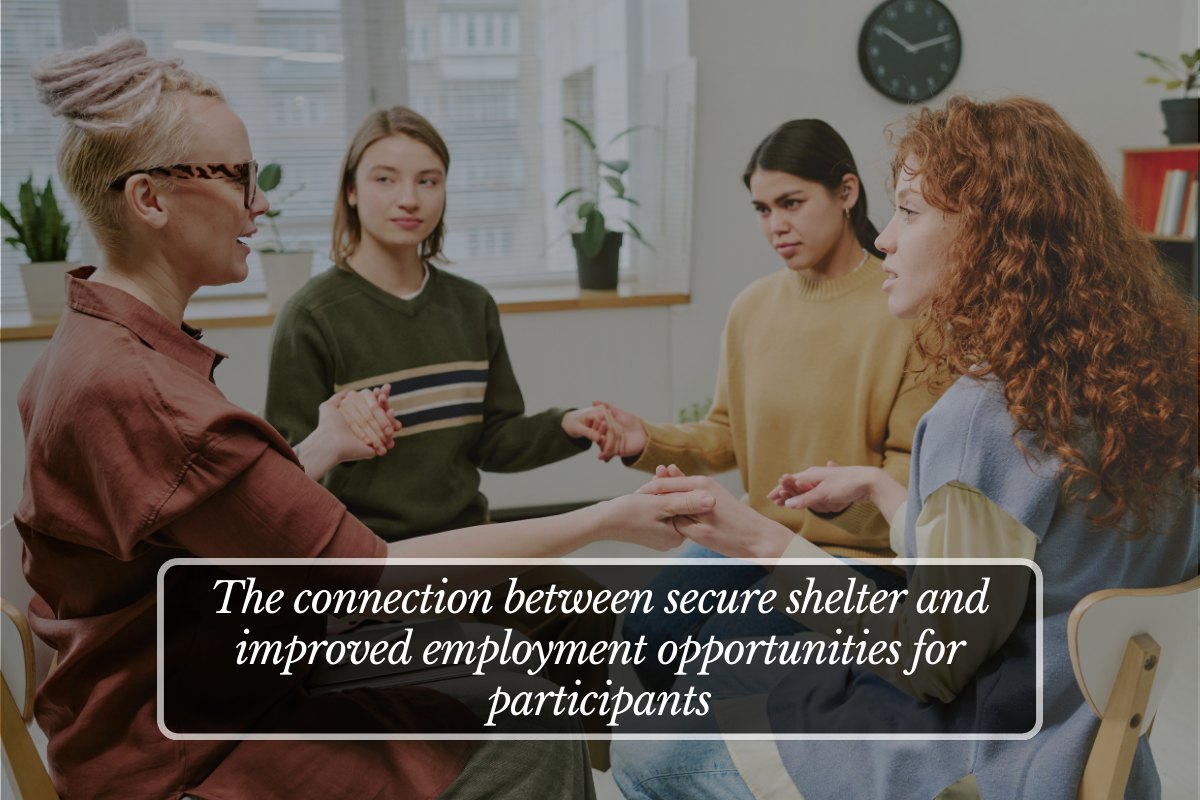
Stable housing unlocks employment and income growth by providing addresses for job applications and safe spaces for skill-building. Programs like Salvation Army’s transitional shelters offer case management and job readiness, transitioning residents to permanent options with financial planning to prevent re-eviction.
Rental assistance lowers eviction risks and cost-burden, freeing funds for savings; studies show subsidized households face fewer forced moves and homelessness. HUD’s Continuum of Care expands PSH beds by 250% since 2007, offsetting jail and healthcare costs at $1.44 saved per dollar invested.
Emotional and Mental Health Restoration
Shelter security reduces trauma from street life, enabling therapy and recovery; PSH clients with disabilities show better outcomes than treatment-first models. Friendship Shelter’s support helped clients like Daniel secure apartments after decades homeless, improving health via benefits access and stigma reduction. For families, stable homes prevent child welfare involvement, with subsidies like Family Unification aiding reunification and emotional healing.
HUD and Federal Programs Driving Change
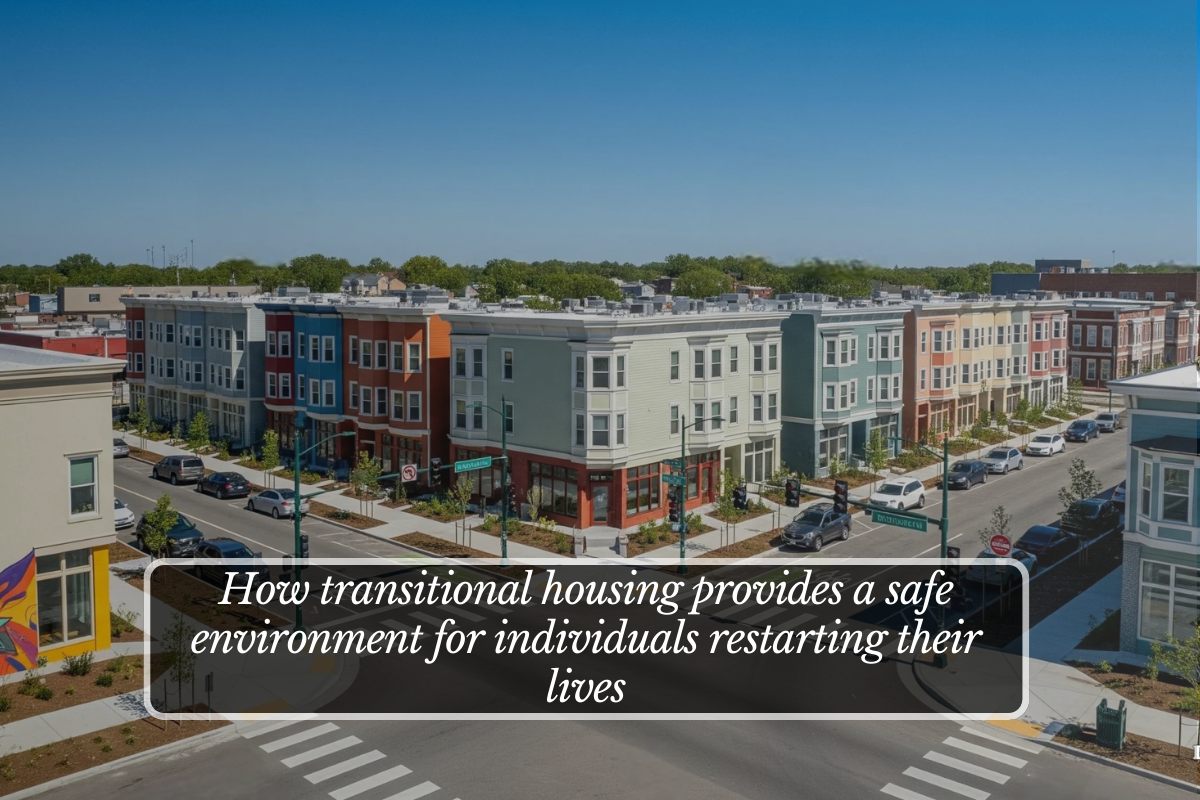
HUD’s Emergency Solutions Grants fund shelters, rapid re-housing, and prevention via rent/utility aid, while Section 8 vouchers target working poor. In 2024, 1.19 million beds existed, though demand outpaces supply in 46% of states. SAMHSA grants link housing to substance recovery, cutting relapse via two-year transitional support.
Addressing America’s Homelessness Surge
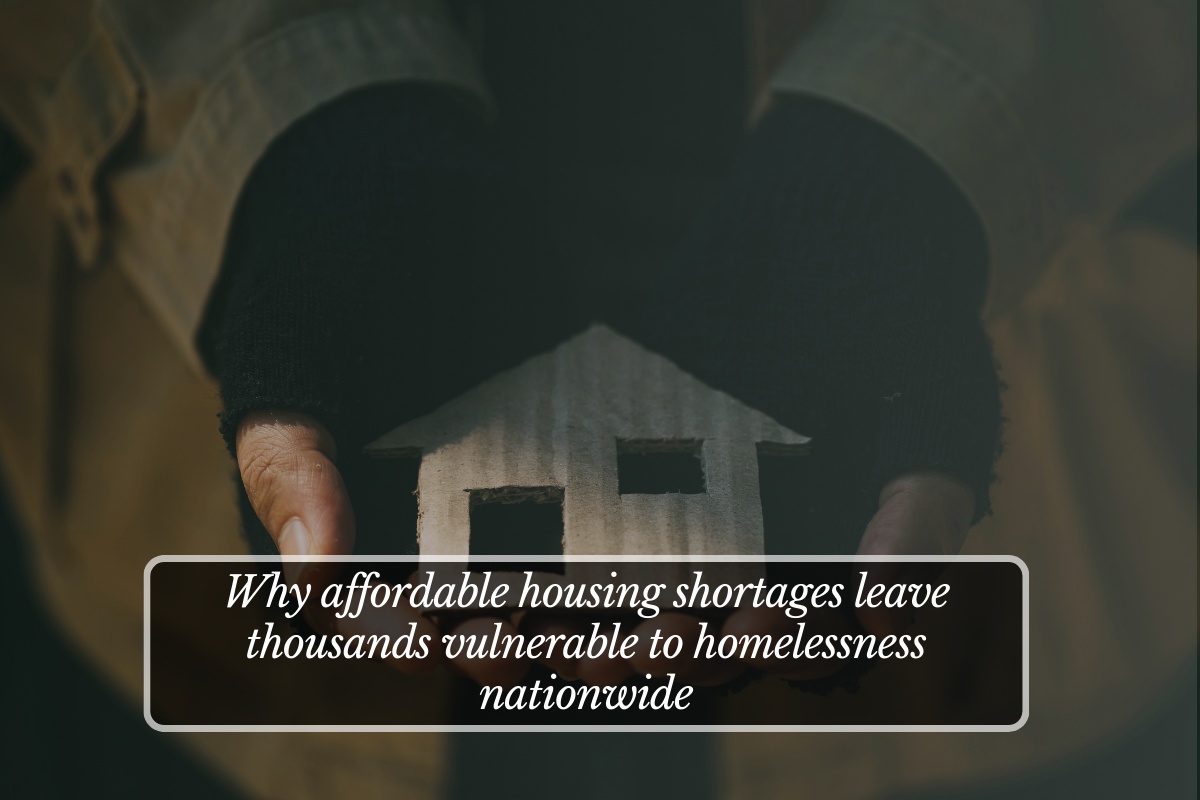
Post-COVID, homelessness rose 12% to record highs due to ended relief, inflation, and shortages, with New York and California hosting 44%. Yet expansions in PSH and rapid re-housing slow cycles; Denver’s initiative saved $2,386 per person in jail costs alone. Community land trusts and rent-to-own models build equity, ensuring long-term affordability.
Challenges and Pathways Forward
Barriers like waitlists persist, but evidence urges scaling Housing First for net savings and equity. Local innovations, including financial literacy in shelters, empower maintenance of gains.
FAQs
Q1. What is Housing First and its success rate?
It provides permanent housing first, achieving 88% homelessness reduction and 41% stability gains.
Q2. How does stable shelter aid financial recovery?
It enables jobs, cuts evictions, and saves public costs like $1.44 per dollar invested.
Q3. Why prioritize shelter for emotional health?
Secure homes reduce trauma, hospitalizations, and support recovery services.
Q4. What HUD programs offer secure housing?
Section 8 vouchers, PSH, and ESG grants provide rapid re-housing and prevention.
Q5. How has U.S. homelessness trended recently?
Up 12% to 653,104 in 2023, driven by costs and relief endings, despite bed increases.